


What's Happening?
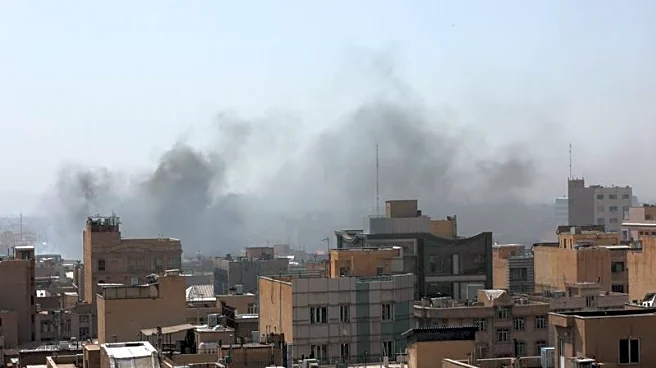
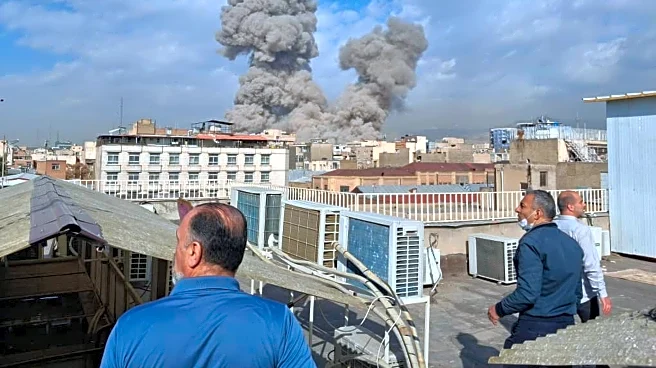
Lebanon's Prime Minister Nawaf Salam has issued a warning against involving the country in broader regional conflicts following recent military actions by Israel and the United States against Iran. Salam's statement, which indirectly addressed Hezbollah,
emphasized the importance of maintaining Lebanon's security and unity. This comes amid threats from Israel to target Lebanese infrastructure if Hezbollah engages in any conflict related to the US-Iran tensions. The Israeli Defense Forces have reportedly targeted Hezbollah positions in southern Lebanon, citing violations of ceasefire agreements and threats to Israeli security.
Why It's Important?
The situation highlights the fragile geopolitical balance in the Middle East, where Lebanon's stability is at risk due to external military actions and internal political dynamics. The involvement of Hezbollah, an Iran-backed group, could escalate tensions, potentially drawing Lebanon into a broader conflict. This could have significant implications for regional security and the humanitarian situation in Lebanon, which is already strained by economic challenges and political instability. The international community, particularly countries with interests in Middle Eastern stability, may need to engage diplomatically to prevent further escalation.
What's Next?
The Lebanese government may face increased pressure to manage Hezbollah's activities and maintain national security. International diplomatic efforts could intensify to de-escalate tensions between Israel, Iran, and their respective allies. The potential for military escalation remains high, with possible repercussions for civilian populations in Lebanon and neighboring countries. Monitoring the situation closely will be crucial for stakeholders involved in Middle Eastern peace and security.