






What's Happening?
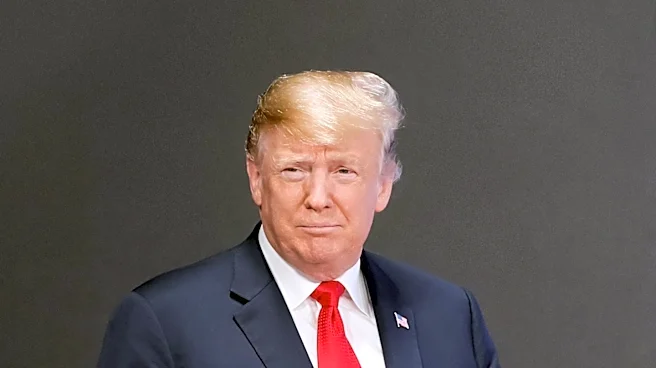
In a recent interview on NPR's Morning Edition, Democrat Congressman Jim Himes discussed President Trump's speech and its implications on U.S. democracy. The conversation, led by NPR anchor A Martinez, focused on Himes' concerns about Trump's rhetoric
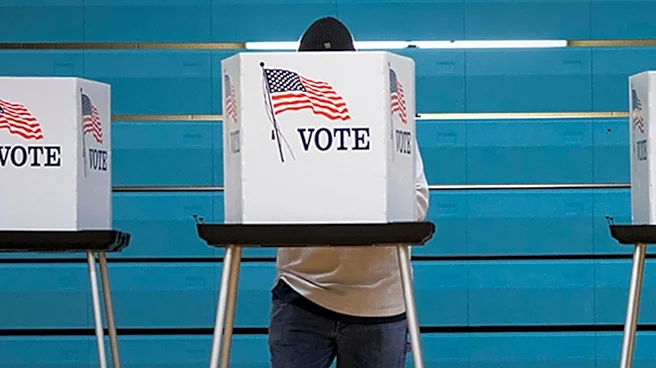
regarding election integrity. Himes argued that Trump's claims of election fraud are unfounded and potentially harmful to democratic processes. He emphasized that U.S. elections are fair and free, a point he considers undebatable based on available evidence. The interview also touched on the potential impact of Trump's statements on upcoming midterm elections, with Himes expressing concern over the possibility of undermining public trust in electoral outcomes.
Why It's Important?
The interview highlights ongoing tensions in U.S. politics surrounding election integrity and misinformation. Himes' comments underscore the challenges faced by Democrats in countering narratives that question the legitimacy of electoral processes. This issue is significant as it affects public confidence in democratic institutions and could influence voter behavior in future elections. The discussion also reflects broader concerns about the role of media in shaping public perceptions and the responsibility of political leaders to uphold democratic values. The potential erosion of trust in elections poses a risk to the stability of the democratic system, making it a critical issue for policymakers and the public alike.
What's Next?
As the U.S. approaches the midterm elections, both parties are likely to intensify efforts to ensure electoral integrity and public confidence in the results. Democrats, as indicated by Himes, plan to focus on factual evidence to counter misinformation. This may involve increased public outreach and education efforts to reinforce the credibility of the electoral process. Additionally, there may be legislative or policy initiatives aimed at strengthening election security and transparency. The outcome of these efforts could significantly impact voter turnout and the overall political landscape in the U.S.