




What's Happening?
Under President Trump's administration, the U.S. Department of Education has shifted its approach to civil rights in schools, particularly affecting programs designed to address racial inequities for Black students. Historically, the federal government
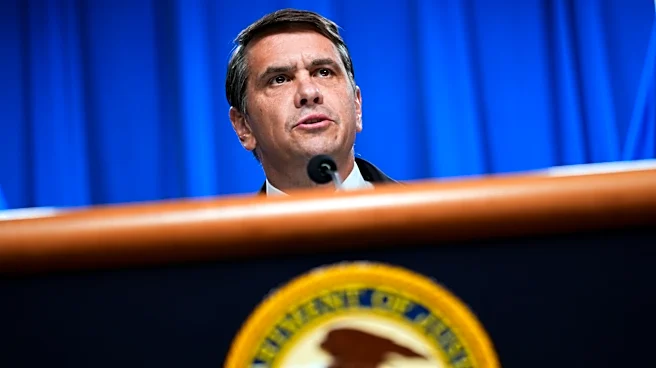
has enforced civil rights laws to combat systemic discrimination against Black people and other minorities. However, the current administration has been accused of reversing these efforts, labeling diversity, equity, and inclusion (DEI) initiatives as discriminatory against white students. This has led to threats of funding cuts for schools that do not comply with the new directives. The administration's actions have sparked criticism from civil rights attorneys who argue that these measures undermine the original intent of civil rights laws. The Justice Department has also been involved in investigating programs aimed at increasing diversity among teachers and school staff, further complicating efforts to address racial disparities in education.
Why It's Important?
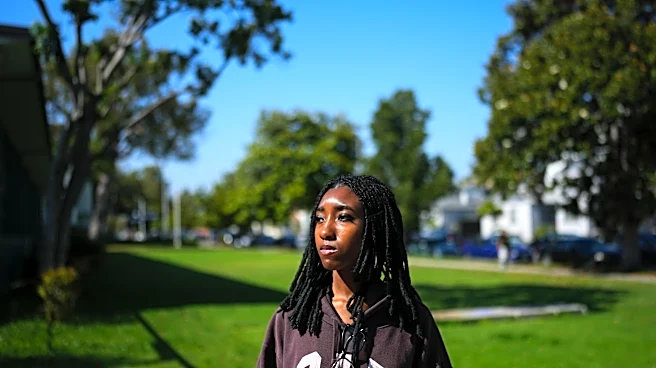
The shift in the federal government's stance on civil rights in education has significant implications for U.S. public policy and society. By challenging programs that aim to support Black students and other minorities, the administration's actions could widen existing educational disparities. This approach may discourage schools from implementing diversity initiatives, fearing federal scrutiny or loss of funding. The broader impact could be a setback in efforts to achieve educational equity, potentially affecting the academic and social outcomes for minority students. Stakeholders such as educators, civil rights advocates, and minority communities may find themselves at odds with federal policies, leading to increased tensions and legal battles over educational practices and funding.
What's Next?
The ongoing investigations and legal challenges initiated by the Trump administration are likely to continue, with potential repercussions for school districts across the country. Schools may need to reassess their diversity and inclusion programs to align with federal guidelines, which could lead to further legal disputes. Civil rights organizations and educational advocates are expected to push back against these changes, possibly seeking judicial intervention to protect existing programs. The outcome of these conflicts could shape the future of educational policy and civil rights enforcement in the U.S., influencing how schools address racial inequities and support minority students.
Beyond the Headlines
The Trump administration's approach to civil rights in education raises ethical and legal questions about the role of government in promoting equality. By framing DEI initiatives as discriminatory, the administration challenges the foundational principles of civil rights laws. This shift could have long-term cultural implications, potentially normalizing a narrative that undermines efforts to address historical injustices. The legal battles that ensue may set precedents for how civil rights are interpreted and enforced in educational settings, impacting future generations of students and educators.