







What's Happening?
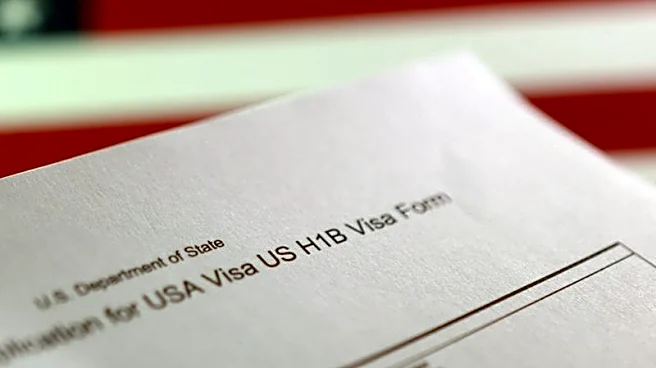
President Trump has extended the restrictions on the entry of certain nonimmigrant workers for an additional 12 months, until September 21, 2027. This action continues Proclamation 10973, originally issued on September 19, 2025, which aimed to address
significant abuses within the H-1B nonimmigrant visa program. The administration asserts that while the initial restrictions have been effective, the underlying conditions necessitating them persist. The H-1B program, intended for high-skilled temporary workers, has been criticized for being exploited by some employers, particularly IT staffing and outsourcing firms, to replace American workers with lower-paid labor. The extension maintains a requirement for a $100,000 payment for H-1B petitions, with limited exceptions, and continues to prioritize higher-skilled and higher-paid workers through a weighted selection process implemented by the Department of Homeland Security (DHS). The Department of Labor (DOL) is also in the process of rulemaking to improve wage protections for foreign nationals.
Why It's Important?
This extension is significant for the U.S. labor market, particularly for American workers and recent graduates in STEM fields. The administration argues that the H-1B program has been used to suppress wages and displace American workers, leading to high unemployment and underemployment rates for recent college graduates. By continuing these restrictions, the policy aims to protect American jobs and ensure that the H-1B program serves its original intent of bringing in highly skilled workers when truly needed, rather than as a source of cheap labor. The $100,000 payment requirement and the weighted selection process have already shown measurable impacts, including a significant reduction in H-1B registrations from large IT outsourcing firms and a shift towards higher-skilled and higher-paid workers. This policy directly affects U.S. companies that rely on H-1B visas, potentially increasing their costs for hiring foreign talent or encouraging them to invest more in domestic workforce development.
What's Next?
The extension of these restrictions means that the current H-1B visa landscape will remain largely unchanged for another year. DHS and DOL will continue their efforts to refine and implement rules aimed at strengthening program integrity and wage protections. The administration will likely monitor the ongoing impacts on unemployment rates for recent graduates and the overall health of the labor market. Businesses that utilize H-1B visas will need to continue adhering to the $100,000 payment requirement and adapt to the weighted selection process, which favors higher-skilled and higher-paid applicants. There may be continued debate and advocacy from various stakeholders, including tech companies, immigration reform groups, and labor organizations, regarding the long-term effects and fairness of these policies. The Secretaries of State, Attorney General, Labor, and Homeland Security are also tasked with jointly submitting a recommendation on whether further extensions or renewals of the restriction are in the U.S. interest after the next H-1B lottery.
Beyond the Headlines
Beyond the immediate economic and labor market implications, this policy touches upon deeper societal and ethical considerations regarding immigration, global talent competition, and the future of the American workforce. The debate over H-1B visas often highlights tensions between the need for specialized skills in a globalized economy and the imperative to protect domestic job opportunities. The focus on higher-skilled and higher-paid workers, while intended to curb abuses, could also influence the types of talent the U.S. attracts and retains, potentially impacting innovation and economic growth in certain sectors. Furthermore, the policy raises questions about the U.S.'s image as a destination for international talent and its competitiveness in attracting the world's brightest minds. The long-term effects could include shifts in how U.S. companies source talent, potentially leading to increased investment in domestic education and training programs or a greater reliance on remote work models to access global expertise without direct immigration. This policy is a critical component of the broader discussion on immigration reform and its intersection with economic policy.