







What's Happening?
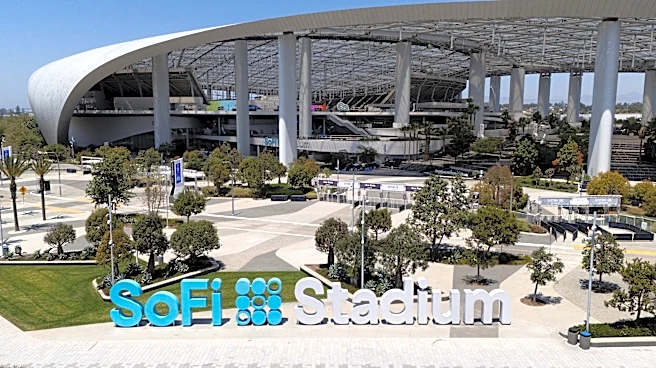
The Los Angeles Metro is implementing a series of safety measures in anticipation of the upcoming FIFA World Cup. Bill Scott, the chief of police and emergency management at LA Metro, has outlined the agency's plans to ensure the safety and security of passengers
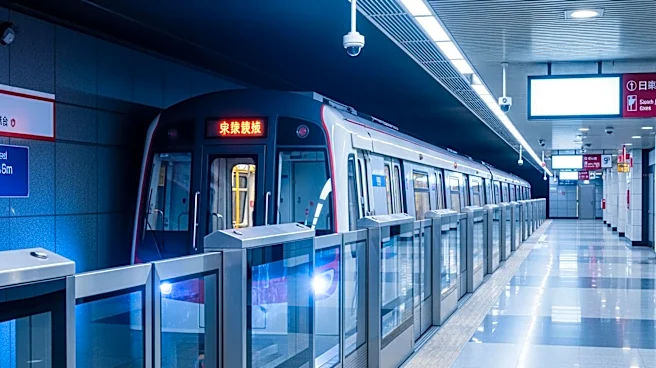
during the event. These measures are part of a broader effort to prepare the city's infrastructure for the influx of visitors expected during the World Cup. The enhancements include increased security personnel, upgraded surveillance systems, and improved emergency response protocols. LA Metro is coordinating with local law enforcement and other agencies to provide a safe and efficient transportation experience for both residents and international visitors.
Why It's Important?
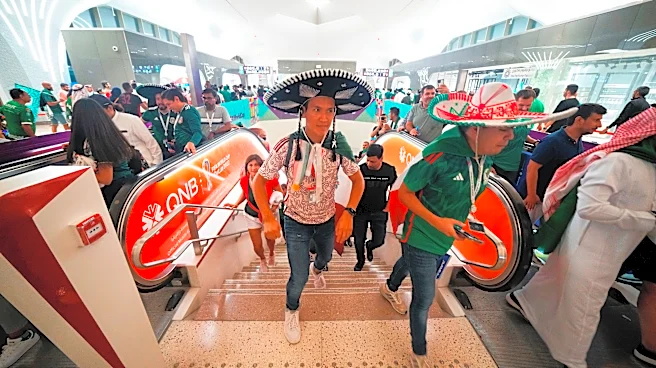
The implementation of these safety measures is crucial for Los Angeles as it prepares to host one of the world's largest sporting events. The FIFA World Cup is expected to attract a significant number of international visitors, placing increased demand on the city's public transportation system. Ensuring the safety and security of passengers is paramount to maintaining the city's reputation as a world-class host city. The measures taken by LA Metro will not only enhance security during the World Cup but also improve the overall safety and efficiency of the transportation system for future events. This initiative reflects the city's commitment to providing a secure and welcoming environment for all visitors.
What's Next?
As the World Cup approaches, LA Metro will continue to refine and test its safety protocols to ensure readiness for the event. Ongoing collaboration with local and federal agencies will be essential to address any emerging security challenges. Public awareness campaigns may be launched to inform residents and visitors about the new safety measures and encourage cooperation with security personnel. The success of these initiatives will be evaluated post-event, with potential adjustments made to enhance future security operations. The experience gained from hosting the World Cup will provide valuable insights for managing large-scale events in the future.