





What's Happening?
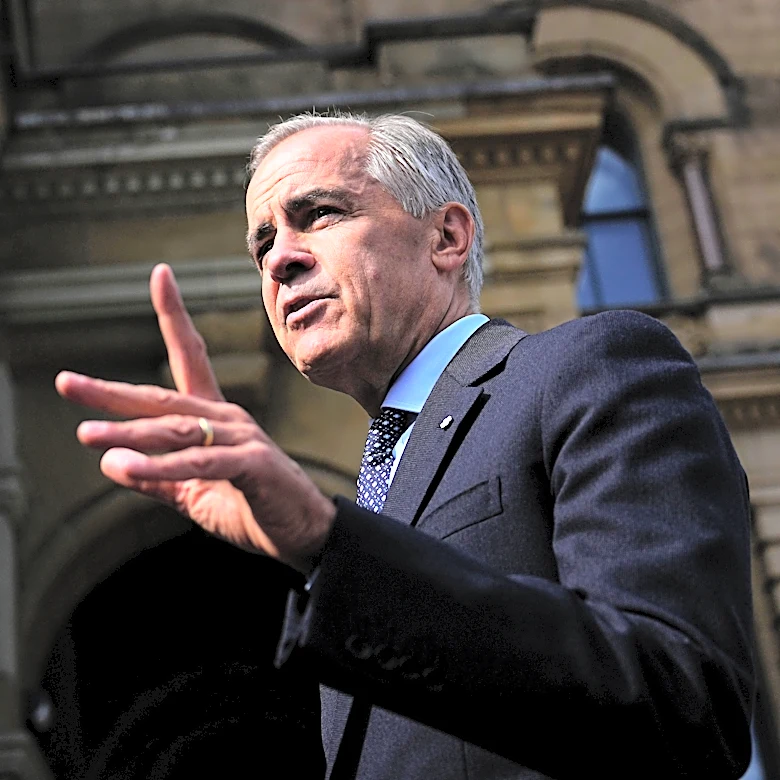
Governor Gavin Newsom has attributed the defeat of a major wildfire liability overhaul in California to "Big Insurance," hedge funds, and trial attorneys. He stated that these "outside groups" spent millions of dollars against his proposal, which aimed
to limit the costs utilities face after wildfires. Newsom acknowledged the unpopularity of assisting investor-owned utilities but emphasized the economic reality, noting that news of a narrowed deal caused Pacific Gas & Electric and Southern California Edison stocks to plummet by 20% and 23% respectively. The final compromise legislation, reached after Democratic lawmakers gutted the most ambitious parts of Newsom's initial plan, includes measures to prevent hedge funds from profiting from wildfires, deny bonuses to utility CEOs after company-ignited blazes, and expedite payments to fire survivors. However, it did not include provisions to bar insurers from suing utilities or prevent cities and counties from recovering infrastructure replacement costs from power companies.
Why It's Important?
This development highlights the intense political and economic complexities surrounding wildfire liability in California. The significant drop in utility stock prices following the compromise underscores the financial market's sensitivity to regulatory changes and the perceived risk associated with wildfire liabilities. Newsom's remarks reveal the powerful influence of various lobbying groups, including insurance companies, financial institutions, and trial attorneys, in shaping legislative outcomes. The failure to pass a more comprehensive overhaul means that utilities will continue to face substantial financial burdens from wildfires, which could impact their ability to invest in infrastructure improvements and potentially lead to higher costs for consumers. The compromise, while offering some protections for fire survivors and accountability for utility executives, falls short of the broader systemic changes Newsom sought, leaving critical issues unresolved for the state's energy sector and its residents.
What's Next?
The issue of wildfire liability is expected to remain a significant challenge for California, with Governor Newsom indicating it will be passed on to the next administration. The compromise legislation will be implemented, focusing on the approved measures such as preventing hedge fund profiteering and denying CEO bonuses. However, the core financial risks for utilities and the state's exposure to wildfire-related costs will likely persist. Further legislative efforts to address these issues are anticipated in the coming years, potentially involving new proposals to balance utility accountability with financial stability. The ongoing impact on utility stock performance and investment decisions will be closely monitored, as will the effectiveness of the new measures in supporting fire survivors and mitigating future risks. The political dynamics between the Governor's office, lawmakers, and various interest groups will continue to shape future policy debates.
Beyond the Headlines
The struggle over wildfire liability in California reflects a deeper societal challenge: how to fairly distribute the costs and responsibilities of climate change impacts. As wildfires become more frequent and destructive, the financial burden on utilities, insurers, and taxpayers escalates. Newsom's attempt to overhaul the liability system aimed to stabilize the energy sector and ensure long-term investment in fire prevention, but it faced formidable opposition from powerful stakeholders. This situation exposes the inherent difficulties in enacting comprehensive reforms when entrenched interests are at play. The outcome suggests that incremental changes, rather than sweeping overhauls, may be the more achievable path in such complex policy areas. Ultimately, the ongoing debate underscores the need for innovative solutions that address both the immediate consequences of wildfires and the underlying causes, while navigating the intricate web of economic, legal, and political considerations.