
What's Happening?
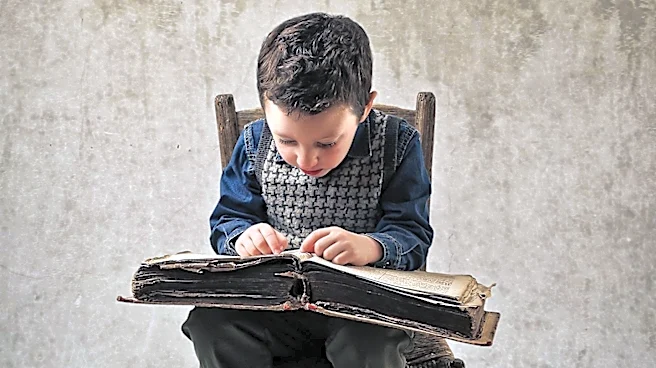
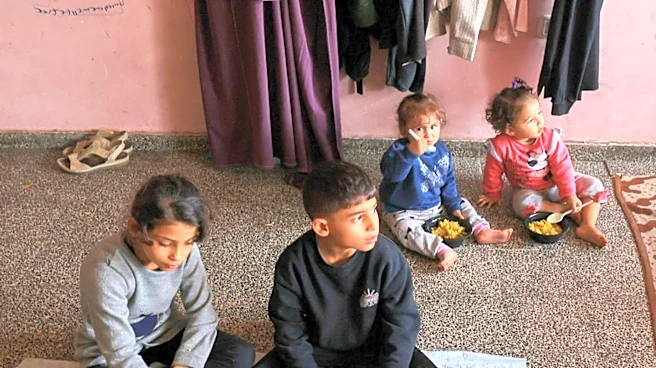
UNESCO has reported that approximately 2.4 million Afghan girls have been denied access to secondary education since the Taliban's return to power in 2021. This figure has increased by about 200,000 since last year and could reach nearly four million by 2030
if the ban remains. Afghanistan is currently the only country where girls and women are formally banned from secondary and higher education. The Taliban's restrictions have reversed two decades of progress in girls' education, with significant social and economic consequences.
Why It's Important?
The exclusion of girls from education in Afghanistan has profound implications for the country's future. It not only affects the individual lives of millions of girls but also has broader economic and social repercussions. The lack of education limits women's participation in the workforce, potentially leading to significant economic losses. It also exacerbates gender inequality and could increase the risk of early marriages. The international community views these restrictions as a form of gender apartheid, which could influence diplomatic relations and aid policies.
What's Next?
UNESCO and other international organizations are likely to continue advocating for the restoration of girls' and women's rights to education in Afghanistan. The situation may lead to increased international pressure on the Taliban to change their policies. Additionally, the ongoing restrictions could affect Afghanistan's access to international aid and support, as many countries and organizations condition their assistance on human rights improvements.