



What's Happening?
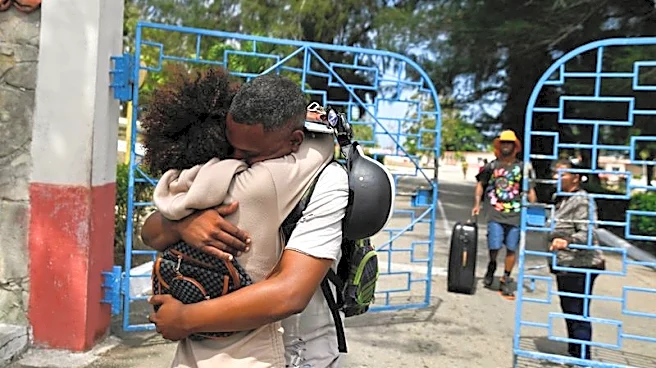
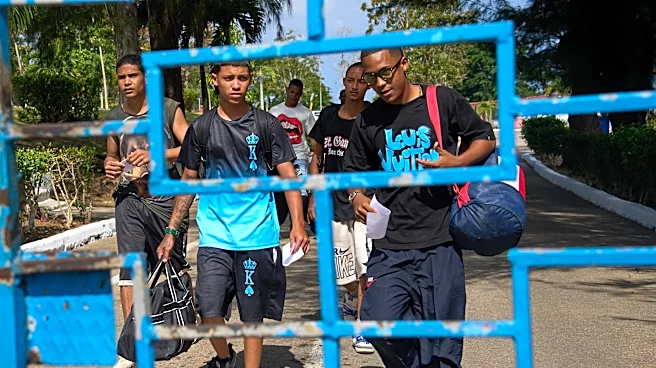
The Cuban government has announced the release of more than 2,000 prisoners as a humanitarian gesture during Holy Week. This release includes a diverse group of individuals such as young people, women, adults over the age of 60, foreigners, and Cuban citizens
who had been living abroad. The move is seen as part of a broader effort by the Cuban authorities to demonstrate goodwill and possibly improve international relations. The release comes at a time when Cuba is facing significant economic challenges and international scrutiny over its human rights record.
Why It's Important?
This mass release of prisoners by the Cuban government is significant as it may signal a shift in Cuba's approach to human rights and international diplomacy. By releasing prisoners, Cuba could be attempting to soften its image on the global stage and address criticisms regarding its human rights practices. This action might also be aimed at fostering better relations with other countries, particularly those in the Western Hemisphere, which have been critical of Cuba's political and human rights policies. The release could have implications for U.S.-Cuba relations, potentially opening doors for dialogue and cooperation in areas of mutual interest.
What's Next?
Following this release, it will be important to monitor how the international community, particularly the United States, responds. There may be calls for further actions from Cuba, such as additional releases or reforms in its legal and political systems. The Cuban government might also seek to leverage this gesture in negotiations with other countries, aiming to ease economic sanctions or gain other diplomatic concessions. Observers will be watching to see if this move leads to tangible changes in Cuba's domestic policies or its international relations.