





What's Happening?
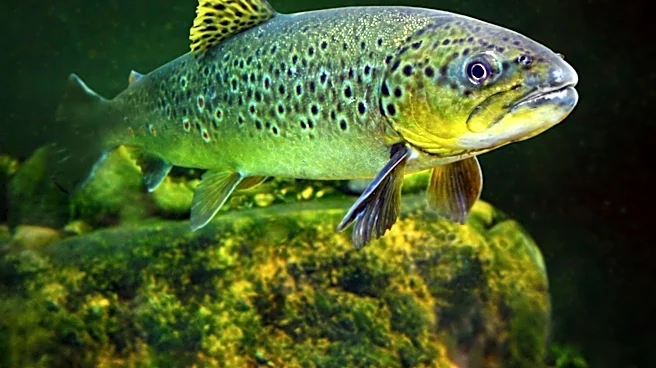
An estimated 30,000 fish perished in a "die-off" at Sandpiper Pond within St. Vrain State Park, located east of Longmont, over the past weekend. Nick Julian, a park administrator, attributed the mass mortality to a severe lack of oxygen in the water.
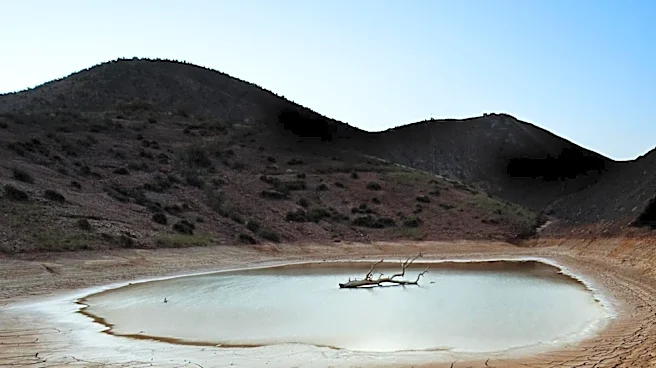
The pond, already characterized by its shallow depth, was further impacted by unusually low water levels and elevated temperatures this year, creating conditions conducive to such an event. This is not an isolated incident, as similar fish kills have occurred previously in the park's shallower ponds under comparable environmental stressors. Park rangers managed to remove approximately a quarter of the deceased fish, with the remaining being consumed by local bird populations, as detailed in a park Facebook post.
Why It's Important?
This incident at St. Vrain State Park highlights the increasing vulnerability of aquatic ecosystems to environmental changes, particularly prolonged heat and drought conditions. The mass fish die-off underscores the delicate balance required for aquatic life to thrive and the significant impact that even slight alterations in water levels and temperature can have on oxygen availability. Such events can disrupt local food webs, affecting not only fish populations but also the birds and other wildlife that depend on them. For recreational areas like St. Vrain State Park, these occurrences can diminish the quality of visitor experiences, particularly for anglers, and necessitate adaptive management strategies to preserve ecological health and recreational value. The decision to reallocate fish stocking efforts to deeper, healthier waters reflects a proactive measure to mitigate future losses and maintain viable fish populations in the park.
What's Next?
In response to the recent die-off, park officials have announced that they will refrain from stocking the ponds on the north side of St. Vrain State Park this fall. Instead, fish will be introduced into the park's more robust and deeper water bodies, specifically the Coot and Pintail ponds and the Blue Heron Reservoir. This strategic shift aims to enhance the survival rates of stocked fish by placing them in environments less susceptible to oxygen depletion caused by shallow depths, low water levels, and high temperatures. This measure is a direct response to the recurring nature of fish kills under drought conditions, which were also observed in July when thousands of fish died in Loveland’s Boyd Lake channel. Park management will likely continue to monitor water conditions closely and adapt their stocking and conservation efforts to the prevailing environmental challenges.
Beyond the Headlines
The recurring fish die-offs, exacerbated by drought and heat, point to a broader ecological challenge facing many U.S. freshwater systems. These events are not merely isolated incidents but symptoms of larger climate patterns that are increasing the frequency and intensity of extreme weather conditions. The long-term implications include potential shifts in species composition, reduced biodiversity, and altered ecosystem functions. For state parks and wildlife management agencies, this necessitates a re-evaluation of traditional conservation practices and an increased focus on climate resilience strategies. This could involve investing in infrastructure to manage water levels, exploring drought-resistant fish species, or implementing more dynamic stocking programs that respond to real-time environmental data. The ethical dimension also comes into play, as these events raise questions about human responsibility in mitigating climate impacts and preserving natural habitats for future generations.