





What's Happening?
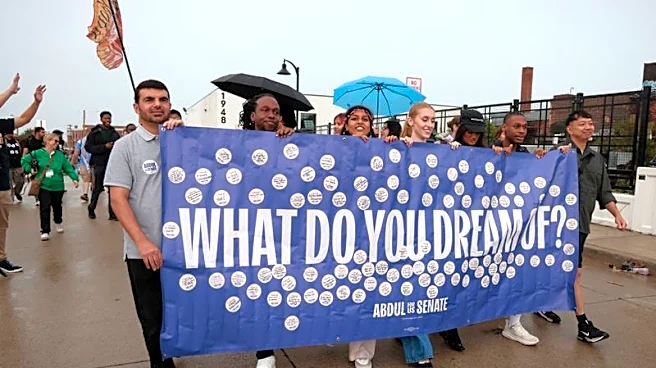
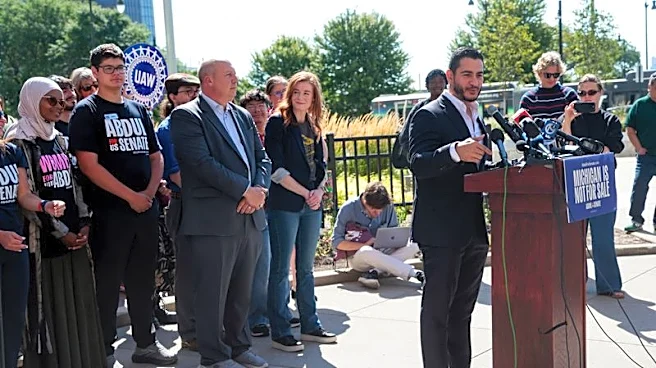
Recent Democratic primaries have seen significant victories for progressive candidates, including Abdul El-Sayed in Michigan's Senate primary and Donovan McKinney in Michigan's 13th Congressional District. These wins reflect a broader trend of progressive candidates gaining
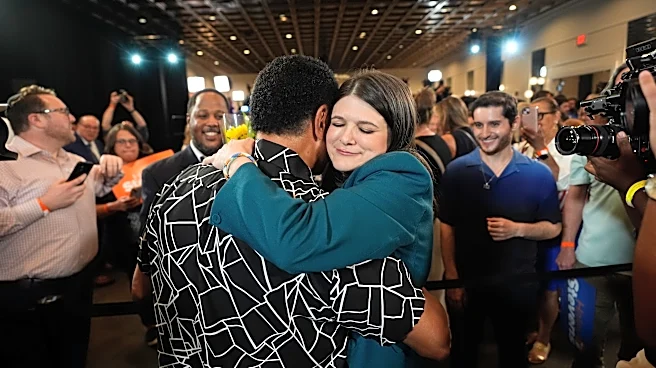
traction against more established Democrats. Despite strong backing from party leaders and significant financial support, establishment candidates like Rep. Haley Stevens were defeated. The success of these progressive candidates, supported by figures like Bernie Sanders and Elizabeth Warren, indicates a shift in voter preferences towards more left-leaning policies.
Why It's Important?
The victories of progressive candidates in these primaries suggest a growing influence of left-wing politics within the Democratic Party. This shift could lead to changes in party priorities, particularly on issues like healthcare, climate change, and economic inequality. The success of these candidates highlights a demand for more progressive policies among Democratic voters, potentially impacting the party's approach to key issues. This trend also reflects a broader national movement where voters are increasingly supporting candidates who advocate for significant systemic changes, challenging the status quo within the party.
What's Next?
As these progressive candidates prepare for the general election, their campaigns will likely focus on maintaining the momentum gained from the primary victories. The broader implications for the Democratic Party include potential shifts in policy focus and strategy, as more progressive candidates gain influence. This could lead to increased pressure on the party to adopt more progressive stances on various issues. Additionally, the success of these candidates may encourage more progressive challengers to run in future elections, further altering the party's landscape.