



What's Happening?
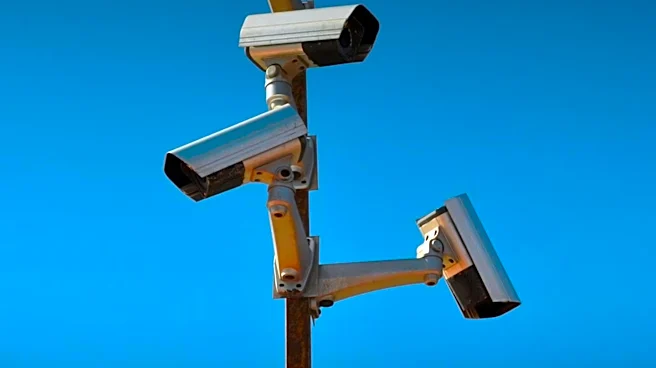
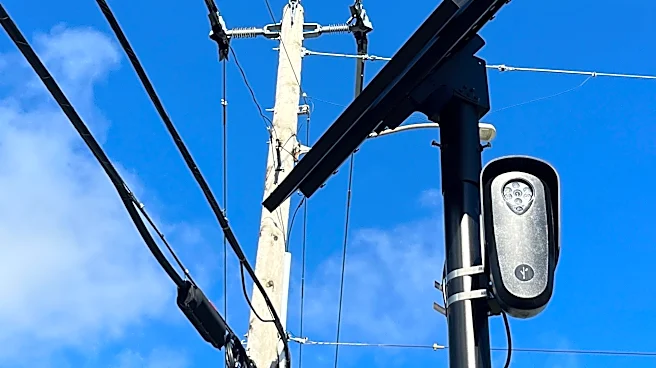
Palm Beach County has paused the issuance of new permits for automated Flock cameras on county roads, following a decision by the Florida Department of Transportation (FDOT) to remove these cameras from state right-of-ways. County commissioners voted
to halt new permits and demanded answers from the sheriff's office regarding data retention practices. Commissioner Joel Flores described the license plate reader cameras as an 'intrusive, mass surveillance network,' emphasizing the need to balance public safety with individual rights. While some commissioners, like Maria Sachs, acknowledge the public safety benefits of these cameras, others, including Gregg K. Weiss, expressed deep unease about data ownership, access, retention, and the potential for data to be sold to third parties. Flock Safety operates a nationwide network of these cameras, which record license plates and vehicle characteristics, with data accessible to thousands of law enforcement agencies across 49 states. The county plans to hold a public workshop to address these surveillance questions in the coming weeks.
Why It's Important?
Palm Beach County's decision to halt Flock camera expansion is a significant development in the ongoing national debate over surveillance technology and data privacy. It highlights a growing tension between law enforcement's use of automated license plate readers for crime fighting and citizens' concerns about mass surveillance and potential privacy infringements. The move by FDOT and subsequently Palm Beach County signals a recognition that the rapid expansion of such technology warrants closer scrutiny and regulation. For U.S. citizens, this action underscores the importance of local government oversight in protecting civil liberties against pervasive data collection. For technology companies like Flock Safety, it indicates a potential challenge to their business model if more jurisdictions adopt similar moratoriums or impose stricter regulations on data handling. The questions raised about data ownership, access, and potential third-party sales are central to the broader discussion of how personal data collected by government-affiliated systems is managed and protected.
What's Next?
Palm Beach County will hold a public workshop in the coming weeks to address questions surrounding the Flock cameras, including data retention policies, access, and the potential for third-party data sales. This workshop will likely involve input from law enforcement, privacy advocates, and the public, aiming to establish clearer guidelines or policies for the use of such surveillance technology. The Palm Beach Sheriff's Office will need to provide detailed information on its data retention practices for the 83 license plate readers it currently operates. The outcome of these discussions could lead to new county-level regulations or a permanent policy regarding automated license plate readers. Other counties and states in the U.S. may observe Palm Beach County's approach as they grapple with similar privacy concerns related to surveillance technology. The broader implications could include increased calls for federal guidelines or legislation to standardize data privacy and usage policies for law enforcement surveillance tools.
Beyond the Headlines
The debate in Palm Beach County over Flock cameras touches upon fundamental questions about the nature of public space, privacy in a digital age, and the role of technology in policing. While law enforcement touts the effectiveness of these cameras in solving crimes and locating missing persons, the pervasive nature of the surveillance raises concerns about the erosion of privacy for innocent citizens. The concept of a 'mass surveillance network' implies a shift from targeted investigations to indiscriminate data collection, which can have chilling effects on civil liberties. The distinction between Flock cameras and the 'digital cousin' technology used in West Palm Beach's 'smart city' initiative highlights different approaches to data collection and anonymization, suggesting that privacy-preserving alternatives exist. This situation underscores the need for robust public discourse and clear ethical frameworks to guide the deployment of advanced surveillance technologies, ensuring that public safety is enhanced without compromising fundamental rights.