







What's Happening?
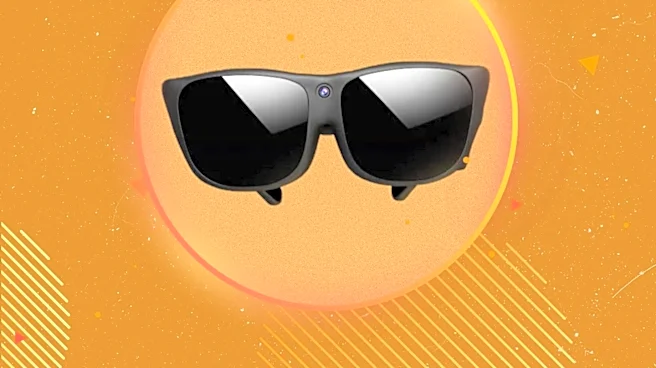
Teenage boys in U.S. middle and high schools are reportedly using Meta's AI Glasses, designed in partnership with Ray-Ban, to record and share videos of their peers and staff on social media platforms like TikTok and Instagram. A review by Futurism found
numerous videos filmed in school hallways, cafeterias, and classrooms, often without the subjects' knowledge or consent. The content frequently depicts harassment and bullying, predominantly targeting girls. Some students are using these glasses to circumvent school policies against smartphones, as the devices are discreet and can be modified to disable their recording light, making them difficult to detect. The behavior observed in these videos mirrors tactics used by online 'pickup artists' who record themselves harassing individuals in public for content.
Why It's Important?
This issue highlights a significant challenge for U.S. schools in adapting to new wearable technology that can facilitate non-consensual recording and online harassment. While schools have established protocols for smartphones, the discreet nature of smart glasses presents a new frontier for privacy violations and bullying. The widespread availability of these devices, including lower-cost alternatives, means the problem is likely to escalate. The legal implications are also substantial, as recording individuals without consent, especially minors in a school setting, can violate state laws, including those requiring two-party consent for recordings. This situation underscores the urgent need for schools to update their technology policies and for parents to be aware of the potential misuse of such devices. The emotional and psychological impact on students who are unknowingly recorded and then subjected to online humiliation can be severe, affecting their well-being and learning environment.
What's Next?
U.S. schools are beginning to explicitly ban smart glasses from classrooms, with many districts updating their policies to restrict internet-connected or camera-equipped devices. Meta has stated that its glasses have a built-in capture LED light that cannot be turned off, and if covered, the camera is disabled. However, students are finding ways to circumvent this, such as using low-tech light blockers. Social media platforms like TikTok have started removing flagged videos, indicating a reactive measure to the problem. The legal landscape surrounding these recordings is complex, with potential felony charges in states with two-party consent laws. Educators and legal experts are emphasizing that schools are not public spaces, and individuals have a greater expectation of privacy within them. Moving forward, there will likely be increased efforts to educate students, parents, and school staff about the responsible use of wearable technology and the consequences of its misuse. Manufacturers may also face pressure to implement more robust privacy features that cannot be easily bypassed.
Beyond the Headlines
The misuse of smart glasses in schools reflects a broader societal challenge concerning privacy, consent, and the rapid evolution of technology. The normalization of recording and sharing personal interactions online, often without explicit consent, blurs ethical boundaries and erodes trust within communities. This trend extends beyond schools, impacting public spaces and workplaces, and raises fundamental questions about the right to privacy in an increasingly surveilled world. The 'rizzcam' phenomenon, where individuals record themselves harassing others for social media content, exemplifies a culture that prioritizes viral fame over respect and consent. Addressing this issue requires not only technological solutions and policy changes but also a cultural shift towards greater empathy and digital citizenship. It necessitates a critical examination of how technology shapes social interactions and the responsibilities of both users and manufacturers in fostering a respectful and safe online and offline environment.