








What's Happening?
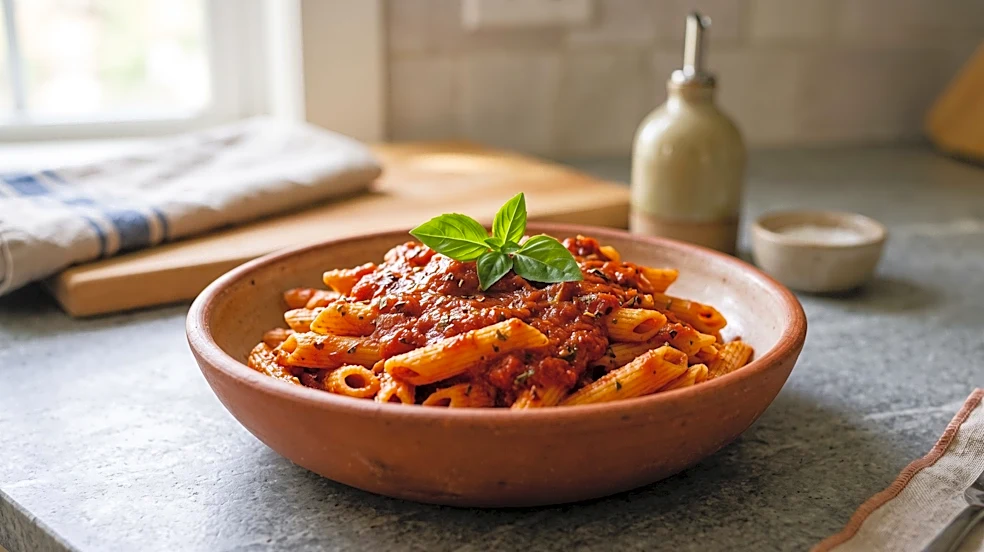
Food safety experts recommend that opened jars of commercial pasta sauce be consumed within approximately four days when stored in a refrigerator at 40°F or below. Dr. Darin Detwiler, a food safety expert and professor emeritus of food policy at Northeastern
University, emphasizes that an opened jar is no longer a sealed, shelf-stable product. Each time the jar is used, microorganisms from the air, utensils, hands, or food contact can be introduced. While refrigeration slows the growth of these microorganisms, it does not stop it. Although tomato-based sauces, due to their acidity, might seem more resilient than lower-acid dairy-based sauces, they still require prompt refrigeration and adherence to the four-day guideline. Consumers are advised not to rely solely on appearance or smell to determine if sauce is safe, as harmful bacteria may not produce noticeable changes. If there is any doubt, the sauce should be discarded.
Why It's Important?
This guideline is crucial for public health, as consuming spoiled food can lead to foodborne illnesses. The advice from food safety experts like Dr. Detwiler highlights a common oversight in household food storage practices, where many might assume opened sauces last longer than is safe. Adhering to the four-day rule minimizes the risk of bacterial growth and potential health hazards. For U.S. consumers, this means a necessary adjustment in how they manage leftovers, potentially leading to less food waste if portions are planned more carefully, or increased awareness of proper storage to maximize safety. The emphasis on not trusting visual or olfactory cues alone underscores the insidious nature of some foodborne pathogens, which can be present without obvious signs of spoilage, making strict adherence to time-based guidelines paramount for safety.
What's Next?
Consumers are encouraged to adopt stricter habits for storing opened pasta sauce, including labeling jars with the opening date to track freshness. To further ensure safety and extend the sauce's usability within the four-day window, it is recommended to use a clean spoon for each serving and avoid dipping cooked pasta directly into the jar. Storing the sauce in the coldest part of the refrigerator, rather than the door where temperatures fluctuate, can also contribute to more consistent cooling. Educational efforts from food safety organizations and health authorities may continue to reinforce these guidelines, prompting a broader shift in consumer behavior regarding perishable food storage to prevent foodborne illnesses.
Beyond the Headlines
The discussion around pasta sauce shelf-life extends to a broader issue of food waste and consumer education on food safety. Many households may unknowingly keep opened products beyond their safe consumption window, contributing to both potential health risks and unnecessary food disposal. This situation highlights the need for clearer, more accessible food safety information for the general public, moving beyond generic 'best by' dates to practical, post-opening storage advice. It also touches upon the psychological aspect of food consumption, where visual and olfactory cues often override scientific recommendations, underscoring the challenge in changing ingrained habits. The implications could lead to increased demand for smaller packaging sizes for certain products or more explicit labeling instructions to guide consumers effectively.