







What's Happening?
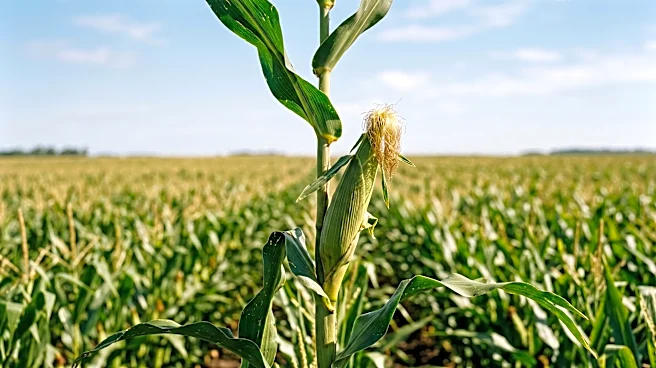
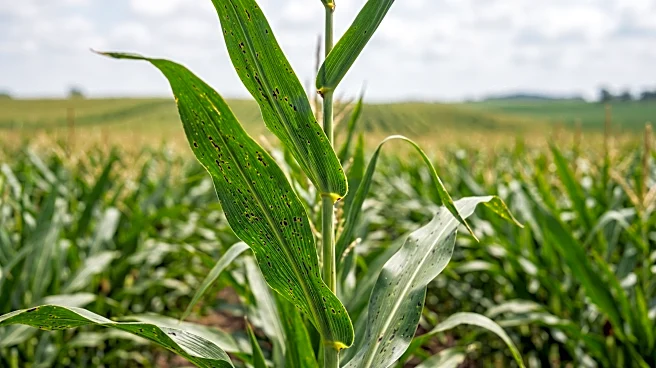
U.S. corn fields are experiencing a variety of disease threats, including Southern rust, tar spot, northern corn leaf blight, and bacterial leaf streak, according to Louis Kuisle, a field agronomist for Mustang Seeds. In 2026, growers in the Upper Midwest
who implemented targeted management strategies, such as specific fertilizer programs, split nitrogen applications, micronutrient packs, and fungicide treatments, saw significant benefits. These proactive measures were crucial for achieving top-end yield potential, especially given the conducive weather conditions for disease development. Kuisle noted that while corn rootworm numbers were lower due to a cooler spring and improved pest management, other challenges included stalk quality issues from disease and late-season weather, leading to some lodging in soybeans due to tall plants and higher planting populations. The presence of multiple diseases underscores the importance of vigilant field scouting and timely interventions, as fungicides are primarily preventative rather than curative.
Why It's Important?
The prevalence of diseases like tar spot in corn fields has significant implications for U.S. agricultural output and farmer profitability. Crop diseases can lead to substantial yield losses, directly impacting the supply chain and potentially increasing food costs for consumers. The emphasis on proactive management, including strategic seed choices and timely fungicide applications, highlights the financial and operational pressures on farmers. Investing in these measures, while costly, proved essential in 2026 for maximizing yields and mitigating losses. This situation also underscores the ongoing need for agricultural research and development to create more resilient crop varieties and effective disease control methods. The economic stability of farming communities and the broader agricultural sector are directly tied to successful disease management, making these developments critical for national food security and economic health.
What's Next?
Looking ahead, growers are encouraged to review their 2026 scouting notes and trial results to inform future seed and management decisions. Strategic seed selection, involving a mix of corn and soybean products with diverse genetic backgrounds, is crucial to spread risk and enhance disease resistance. Kuisle advises against planting all acres with the 'latest and greatest' hybrid, instead recommending a balance of new and trusted varieties. Additionally, weed control in soybeans, particularly against waterhemp, remains a persistent challenge, necessitating a mix of products and modes of action. The ongoing development of new trait pipelines for weed resistance will be vital. These continuous efforts in adaptive management and strategic planning are essential for U.S. farmers to combat evolving disease and pest pressures and maintain crop productivity.
Beyond the Headlines
The challenges faced by corn growers, particularly with diseases like tar spot, reflect broader issues within modern agriculture, including the delicate balance between maximizing yields and managing environmental factors. The reliance on preventative fungicides and advanced management techniques points to the increasing intensity of farming practices. This situation also raises questions about the long-term sustainability of current agricultural models and the potential for climate change to exacerbate disease pressures. The need for diverse seed choices and integrated pest management strategies highlights a shift towards more resilient and adaptable farming systems. Furthermore, the economic burden on farmers to invest in these advanced management practices underscores the financial vulnerabilities within the agricultural sector, emphasizing the need for supportive policies and innovative solutions to ensure food security and farmer livelihoods.