









What's Happening?
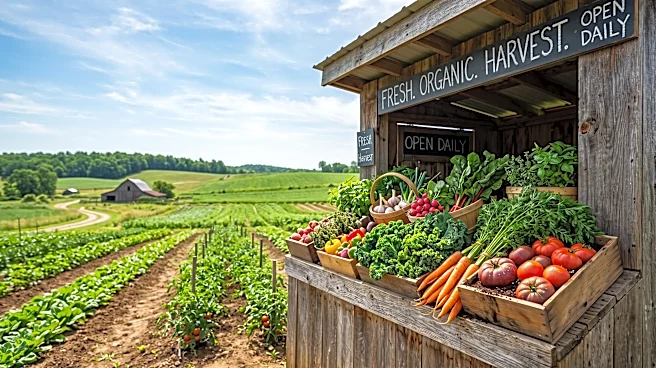
The United States Department of Agriculture (USDA) defines agritourism as a commercial enterprise that connects agricultural production or processing with visitor experiences on farms, ranches, or other agricultural businesses. This connection is primarily
for education, entertainment, and income generation, emphasizing an authentic link to agriculture rather than merely a rural-themed resort. The USDA's agritourism resource manual categorizes experiences into five broad areas: direct sales, education, hospitality, outdoor recreation, and entertainment. These categories can overlap, allowing working farms to offer diverse activities like educational tours, seasonal produce sales, and short stays without needing to become large theme parks. Agritourism, also known as agri-tourism, agricultural tourism, farm tourism, or agrotourism, helps producers diversify income and educates visitors about food origins. However, it also necessitates careful attention to farm safety, animal welfare, food hygiene, local regulations, and the ongoing agricultural work.
Why It's Important?
Agritourism offers a crucial avenue for U.S. agricultural producers to diversify their income streams beyond traditional farming, which is increasingly vital given fluctuating market conditions and rising operational costs. By engaging visitors through direct sales, educational programs, and recreational activities, farms can generate additional revenue, contributing to their financial sustainability. This economic diversification can help preserve family farms and rural livelihoods, which are facing challenges from escalating land values and the increasing cost of equipment. Furthermore, agritourism plays a significant role in educating the public, particularly urban populations, about agricultural practices, food production, and the importance of farming. This increased awareness can foster greater support for local food systems and agricultural communities, benefiting both producers and consumers.
What's Next?
The continued growth of agritourism will likely see more U.S. farms adopting diverse visitor experiences to enhance their economic viability. As the sector expands, there will be an increased focus on developing comprehensive guidelines and best practices for farm safety, animal welfare, and food hygiene to ensure positive and secure visitor experiences. Local and state governments may also develop more tailored regulations and support programs to facilitate agritourism initiatives, recognizing its potential for rural economic development. Farmers considering agritourism will need to conduct thorough business planning, including assessing insurance needs and risk management strategies, to successfully integrate visitor activities with their primary agricultural operations. The industry will also likely see further innovation in how farms market their unique offerings to attract a broader range of visitors.
Beyond the Headlines
Beyond its immediate economic benefits, agritourism has deeper implications for the cultural and social fabric of rural America. It helps to bridge the growing divide between urban and rural communities by providing firsthand experiences of farm life, fostering a greater appreciation for the hard work and dedication involved in food production. This connection can strengthen local food movements and encourage more sustainable consumption patterns. Ethically, agritourism requires a delicate balance between commercial interests and the authentic portrayal of agricultural life, ensuring that animal welfare and environmental stewardship remain paramount. It also presents an opportunity to preserve agricultural heritage and traditional farming methods, offering visitors a glimpse into the history and evolution of American agriculture. The long-term success of agritourism will depend on its ability to maintain authenticity while adapting to visitor expectations and evolving regulatory landscapes.