








What's Happening?
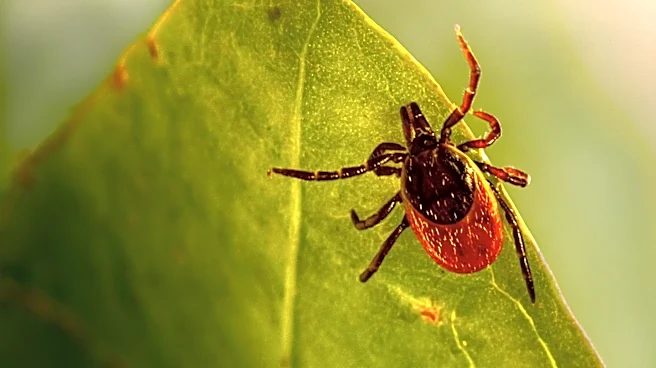
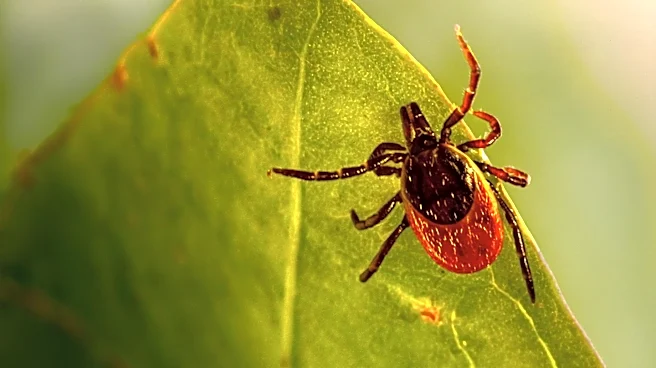
Viking Pest Control emphasizes that while 100% tick-proofing a yard is not feasible, significant reductions in infestation likelihood can be achieved through specific yard maintenance strategies. Ticks, which are major disease vectors in the U.S., thrive
in tall grass, leaf litter, and cluttered areas. Key recommendations include keeping grass cut short, as ticks prefer vegetation taller than shin height, and removing leaf litter, especially in spring or fall, to eliminate their winter harborage. Eliminating clutter such as old tires, plant saucers, and children's toys is crucial because these items provide shelter for small animals like mice and chipmunks, which are preferred hosts for juvenile ticks. Additionally, landscaping with plants less attractive to deer can reduce the number of ticks introduced to a property, as deer often shed ticks. These measures aim to create unfavorable conditions for ticks and their hosts.
Why It's Important?
The implementation of these yard maintenance strategies is vital for public health in the U.S. due to the significant threat posed by tick-borne diseases. Ticks can transmit serious illnesses such as Lyme disease, alpha-gal syndrome, Rocky Mountain Spotted Fever, Ehrlichiosis, Powassan, Anaplasmosis, Babesiosis, and Tularemia to both people and pets. By reducing tick populations in residential areas, individuals can significantly lower their risk of exposure to these pathogens, thereby decreasing the incidence of tick-borne illnesses and the associated healthcare burden. Proactive yard management can protect families and pets, enhance outdoor safety, and potentially reduce the need for chemical pesticides, contributing to a healthier environment. This approach empowers homeowners to take direct action in mitigating a widespread public health concern.
What's Next?
Homeowners are encouraged to adopt these recommended yard maintenance practices as part of their routine property care. Pest control professionals, like Viking Pest Control, will continue to offer specialized tick management services, providing customized treatment plans based on local conditions. Public health campaigns may further promote these preventative measures to raise awareness and encourage community-wide participation in tick control efforts. Ongoing research into tick behavior and effective, environmentally friendly control methods will likely continue. The focus will remain on integrated pest management strategies that combine habitat modification with targeted treatments to minimize tick populations and protect public health.
Beyond the Headlines
The emphasis on yard maintenance for tick control highlights a broader trend towards environmental stewardship and integrated pest management in residential settings. This approach moves beyond reactive treatments to proactive habitat modification, recognizing the ecological factors that contribute to pest proliferation. It also underscores the importance of individual actions in collective public health outcomes, as community-wide adoption of these practices can create a significant impact on regional tick populations. Furthermore, the discussion around pesticide use, recommending targeted application over broad spraying, reflects a growing awareness of environmental impacts and the need to protect beneficial insects like honeybees. This holistic view of pest control integrates ecological understanding with practical solutions for healthier living spaces.