







What's Happening?
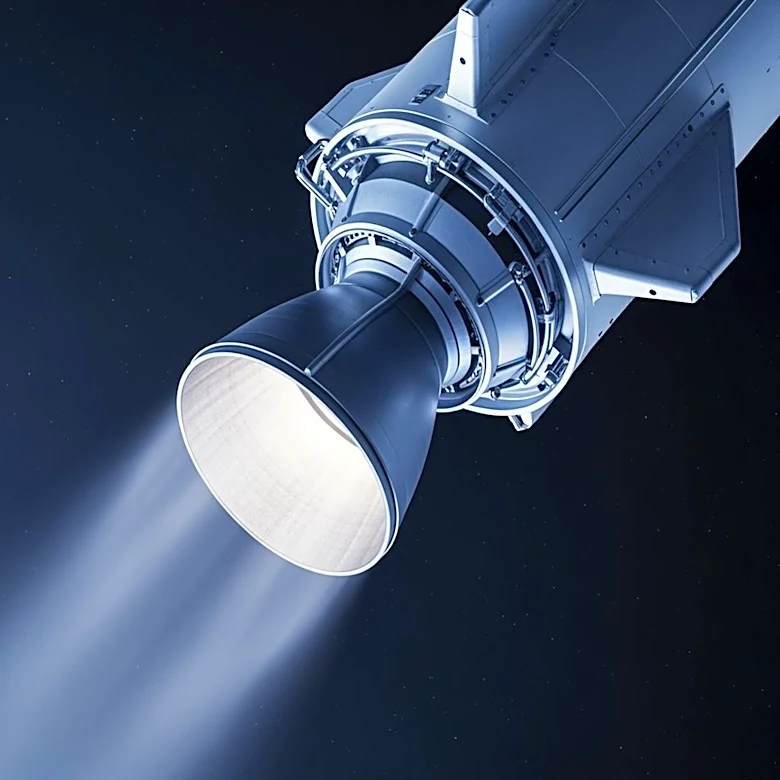
The Artemis II mission, a significant step in lunar exploration, is nearing completion with its Orion spacecraft expected to splash down in the Pacific Ocean. Central to this mission is the European Service Module (ESM), constructed by Airbus Defence
and Space in Germany for the European Space Agency (ESA). The ESM has been crucial in providing power, thermal control, and life support for the four-person crew, alongside housing the main and secondary engines. Airbus' involvement in Artemis II builds on its extensive history in spaceflight, including contributions to the International Space Station (ISS). The company has secured contracts to deliver multiple ESMs for future Artemis missions, with ongoing production for upcoming flights.
Why It's Important?
The success of Airbus in the Artemis II mission underscores the growing role of European companies in international space exploration. This collaboration not only strengthens transatlantic ties in space endeavors but also positions Airbus and the European space industry as key players in future lunar missions. The involvement of Airbus in such high-profile projects could lead to increased investment and innovation within the European space sector. Additionally, the mission's success may encourage further international partnerships, enhancing global cooperation in space exploration.
What's Next?
Looking ahead, Airbus is set to continue its contributions to the Artemis program, with ESMs for Artemis III and IV already delivered to NASA. The production of ESM-5 and ESM-6 is underway, with deliveries expected in 2027 and 2028. Despite potential changes in NASA's Artemis program, such as the shelving of the Lunar Gateway module, Airbus' contract with ESA remains secure. The future of European involvement in lunar exploration will depend on continued support from ESA and the ability to adapt to evolving international space strategies.
Beyond the Headlines
The Artemis II mission highlights the strategic importance of international collaboration in space exploration. As countries and companies vie for leadership in this domain, partnerships like those between NASA and ESA demonstrate the benefits of shared expertise and resources. The mission also raises questions about the future of space policy and the role of private companies in government-led initiatives. As space exploration becomes more ambitious, the ethical and legal frameworks governing these activities will need to evolve to address new challenges and opportunities.