







What's Happening?
The Bangladesh garment industry is experiencing significant disruptions due to a gas crisis, which has led to temporary shutdowns and production halts in factories. This shortage has affected the Narayanganj industrial belt, causing delays in order deliveries
and loss of major buyers. The Bangladesh Garment Manufacturers and Exporters Association (BGMEA) is demanding an uninterrupted supply of gas and electricity to maintain factory operations and ensure timely export order shipments. Additionally, the industry is grappling with the risks posed by climate change, which has caused operational disruptions, increased health-related absences, and threatened export earnings and jobs.
Why It's Important?
The disruptions in the Bangladesh garment industry have broader implications for the global supply chain, particularly for countries reliant on Bangladeshi exports. The gas crisis and climate change impacts threaten the economic stability of Bangladesh, a key player in the global apparel market. The potential loss of $65 billion in export earnings and around one million jobs by 2030 underscores the urgency for sustainable practices and energy solutions. The situation highlights the need for international cooperation in addressing climate change and energy security to protect vulnerable economies and industries.
What's Next?
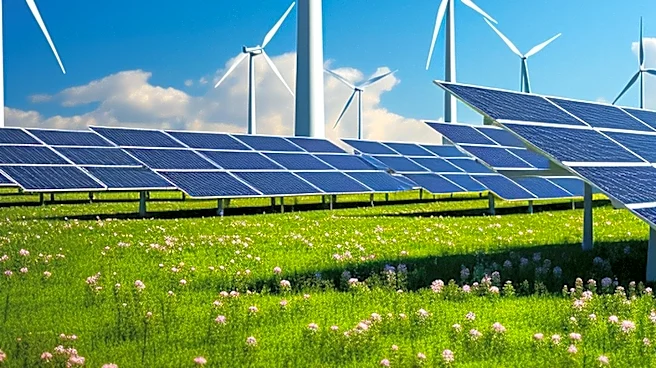
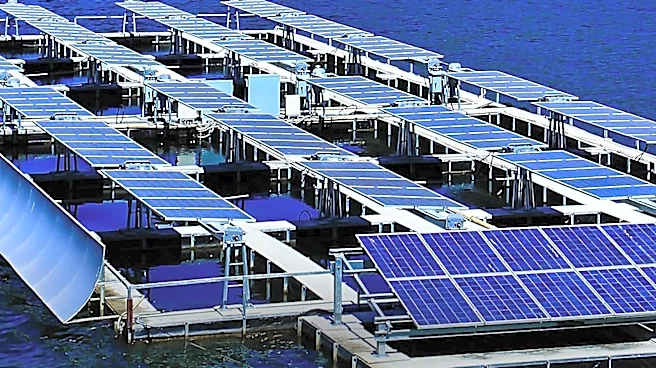
To mitigate these challenges, Bangladesh is encouraged to invest in renewable energy, energy-efficient manufacturing, and climate-smart technologies. The adoption of digital technologies, such as artificial intelligence and automation, can optimize energy use and improve efficiency. Financial institutions are urged to support this transition through green financing and sustainability-linked loans. Government investment in renewable energy and resilient infrastructure will be crucial in strengthening the business ecosystem and ensuring long-term economic resilience.
Beyond the Headlines
The current crisis in Bangladesh's garment industry highlights the ethical and economic necessity of transitioning to sustainable practices. As major export markets introduce stricter environmental standards, businesses that fail to adapt risk losing access to premium markets. This situation serves as a wake-up call for industries worldwide to prioritize climate resilience and sustainability as integral components of their business strategies.