



What's Happening?
The World Food Programme (WFP) has issued a Call for Expressions of Interest (EOIs) for emergency in-kind and cash assistance programming in Saint Lucia. This initiative falls under the WFP's broader mission as a leading humanitarian organization focused
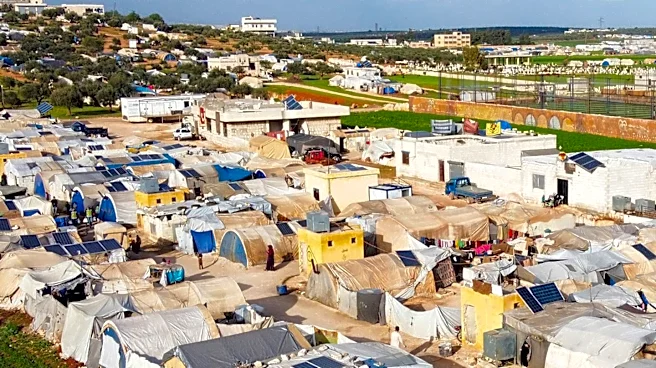
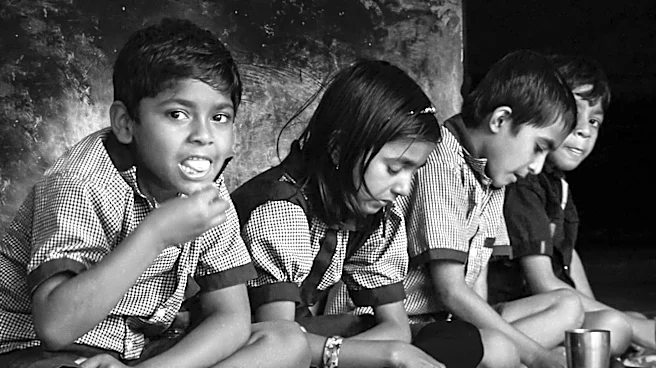
on saving and changing lives by delivering food assistance during emergencies. The program aims to improve nutrition and build resilience within communities. The WFP's efforts in Saint Lucia will address both Food Systems & Livelihoods and Disaster Reduction & Humanitarian Relief sectors. The Food Systems & Livelihoods sector encompasses all components, activities, and processes related to food production, processing, safety, and access, as well as initiatives supporting income generation for individuals and communities. The Disaster Reduction & Humanitarian Relief sector covers actions designed to reduce disaster risks and provide emergency aid to populations affected by natural disasters, conflicts, or humanitarian crises. This call for EOIs signifies a proactive step by the WFP to engage partners in delivering critical aid to the region.
Why It's Important?
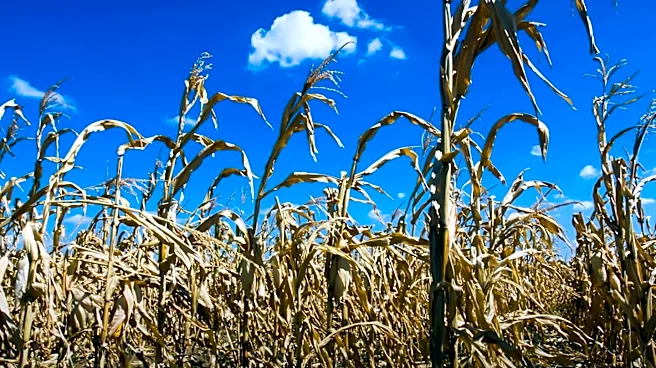
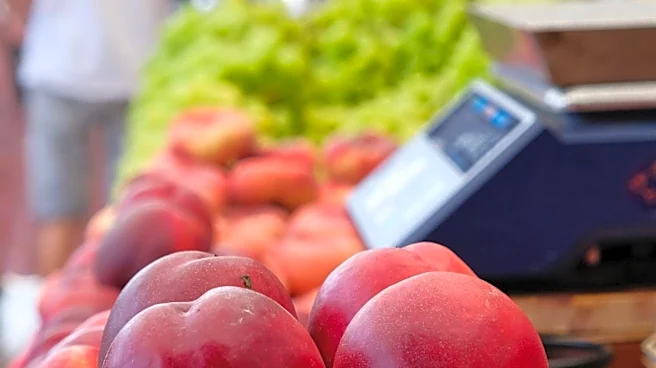
This WFP initiative is important for Saint Lucia as it directly addresses critical needs in emergency preparedness and response, particularly in the context of food security and disaster resilience. Saint Lucia, like many Caribbean nations, is vulnerable to natural disasters, which can severely disrupt food systems and livelihoods. By focusing on both in-kind and cash assistance, the WFP aims to provide flexible and effective aid that can be tailored to the specific needs of affected populations. Cash assistance empowers beneficiaries to purchase goods and services locally, stimulating the local economy and preserving dignity, while in-kind assistance ensures immediate access to essential supplies. The involvement of the WFP, a major international humanitarian organization, brings significant resources and expertise to Saint Lucia, enhancing the country's capacity to manage and recover from crises. This program will help mitigate the long-term impacts of disasters on vulnerable communities, fostering greater stability and self-sufficiency.
What's Next?
Following the Call for Expressions of Interest, the World Food Programme will evaluate submissions from potential partners for the Saint Lucia emergency in-kind and cash assistance programming. Successful applicants will then collaborate with the WFP to implement the planned humanitarian interventions. This process will involve detailed planning, resource allocation, and coordination to ensure efficient and effective delivery of aid. The WFP will likely establish monitoring and evaluation frameworks to track the progress and impact of the assistance provided, ensuring accountability and continuous improvement. The long-term goal is to build stronger, more resilient communities in Saint Lucia that are better equipped to withstand future shocks and recover quickly from emergencies. This initiative could also serve as a model for similar humanitarian efforts in other vulnerable regions, demonstrating the effectiveness of integrated approaches to disaster relief and livelihood support.
Beyond the Headlines
The WFP's approach in Saint Lucia, combining in-kind and cash assistance, reflects a broader evolution in humanitarian aid strategies. This dual approach acknowledges the complex needs of disaster-affected populations, moving beyond traditional food aid to include financial support that can empower beneficiaries and stimulate local economies. This shift has significant ethical and practical implications, promoting dignity and choice for those receiving aid while also fostering local market recovery. Furthermore, the focus on both immediate relief and long-term resilience building highlights a more holistic understanding of humanitarian intervention, aiming not just to alleviate suffering but also to prevent future crises. This integrated strategy underscores the interconnectedness of food security, economic stability, and disaster preparedness, suggesting a more sustainable model for international aid that could have lasting positive impacts on vulnerable communities worldwide.