




What's Happening?
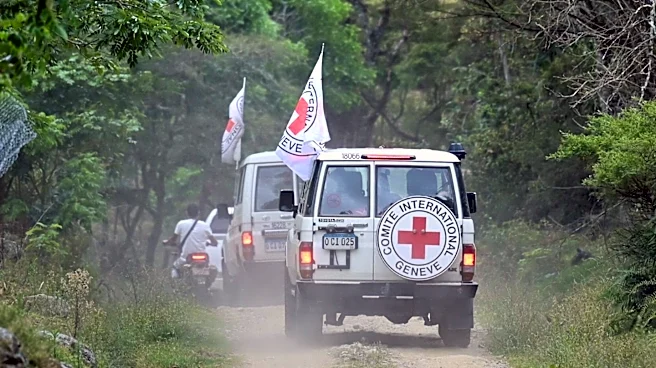
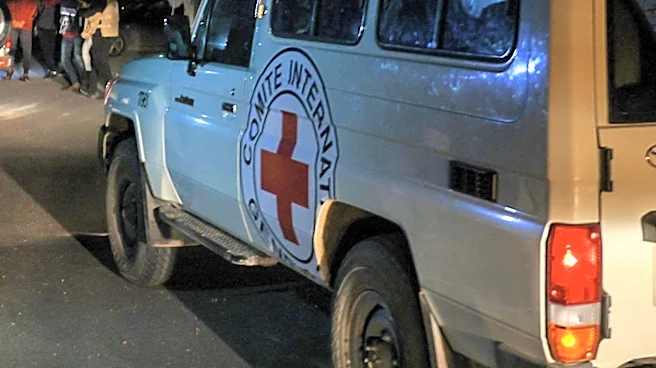
The International Committee of the Red Cross (ICRC) has revealed that over 17,000 individuals displaced by Boko Haram activities in Northeast Nigeria remain missing. This figure, initially over 24,000, was reduced as the ICRC lost contact with some affected
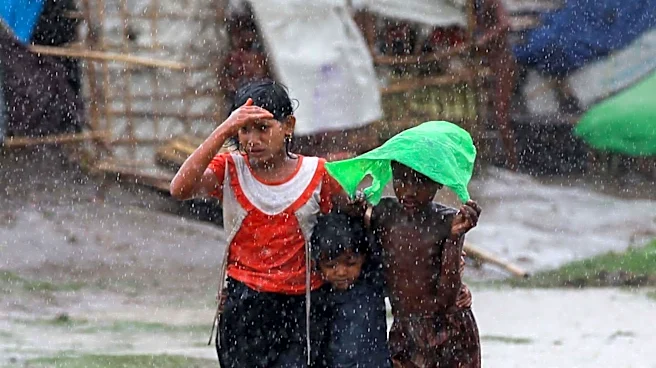
families. The crisis in the region has persisted for over 16 years, leading to millions needing food and over three million children suffering from malnutrition. Many families have been separated for more than a decade, and a significant number of people have been displaced. The ICRC is actively working to trace these missing persons and reunite them with their families as part of its humanitarian services. This information was disclosed by ICRC spokesperson Aliyu Dawobe during a two-day training for journalists on humanitarian reporting in Lagos.
Why It's Important?
The ongoing humanitarian crisis in Northeast Nigeria, marked by over 17,000 missing persons, highlights the severe and long-lasting impact of insurgency on civilian populations. This situation underscores the critical need for sustained international humanitarian aid and intervention. The displacement, food insecurity, and family separations contribute to regional instability and can have ripple effects on global migration patterns and security. For the U.S., such prolonged crises can necessitate diplomatic engagement, humanitarian assistance, and counter-terrorism efforts to prevent further destabilization and address the root causes of conflict. The media's role, as emphasized by the ICRC, in accurately reporting these human-angle stories is crucial for raising global awareness and mobilizing support for affected communities.
What's Next?
The ICRC will continue its efforts to trace missing persons and facilitate family reunifications in Northeast Nigeria. There will likely be ongoing calls for increased humanitarian aid and international support to address the widespread food insecurity and displacement. The media, following the recent training, is expected to enhance its reporting on the human impact of the insurgency, potentially leading to greater public awareness and advocacy. Former Chief of Army Staff, Lieutenant General Tukur Yusuf Buratai (rtd), has stressed the importance of timely military information dissemination to counter insurgent propaganda, suggesting a continued focus on strategic communication in the conflict. The long-term goal remains the elimination of militancy and the restoration of stability in the region, which will require sustained counterterrorism operations and humanitarian interventions.
Beyond the Headlines
The crisis in Northeast Nigeria extends beyond immediate humanitarian concerns, touching upon complex ethical and legal dimensions. The prolonged separation of families raises questions about the psychological trauma endured by individuals and communities, and the challenges of rebuilding social structures in post-conflict environments. The emphasis on media reporting highlights the ethical responsibility of journalists to portray the human cost of conflict accurately and empathetically, influencing public perception and policy. Furthermore, the insurgency's persistence, despite military operations, points to deeper socio-economic and governance issues that fuel such movements. Addressing these underlying factors, including poverty, lack of education, and political grievances, will be crucial for achieving lasting peace and preventing future insurgencies, impacting regional stability and international security dynamics.