
What's Happening?
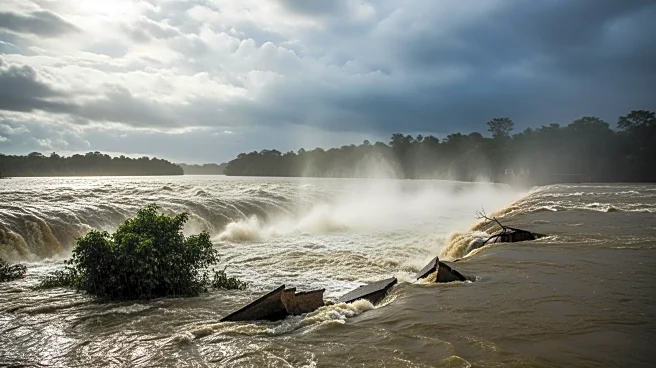
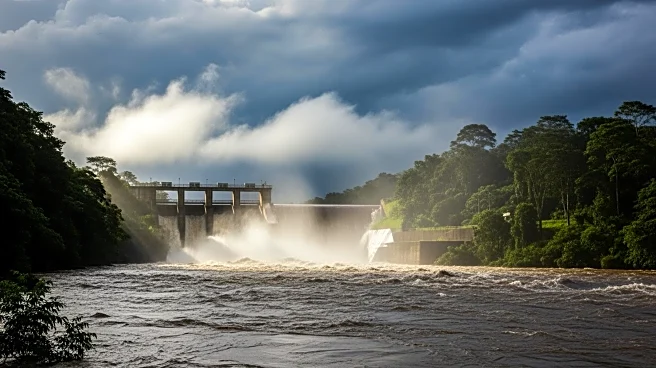
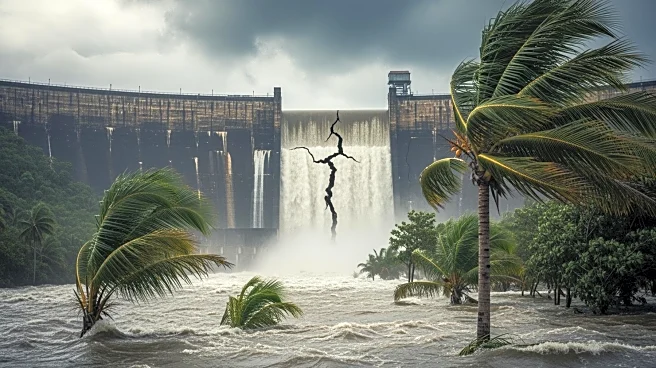
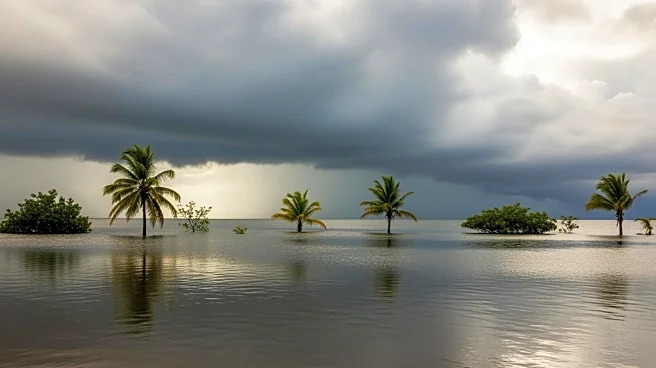
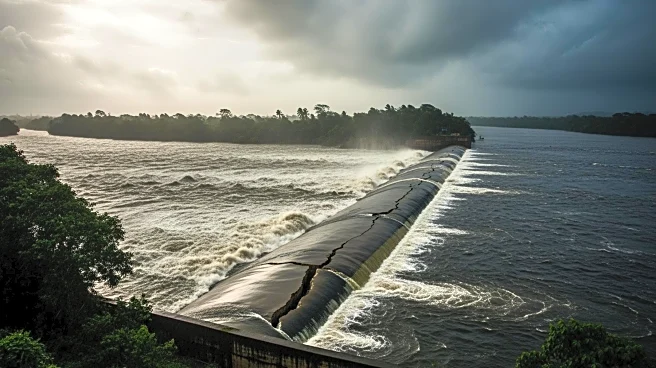
Hawaii is experiencing its worst flooding in over two decades, with significant rainfall causing widespread damage across the islands. The National Weather Service reported that parts of Oahu received up to 16 inches of rain, leading to severe flooding in areas
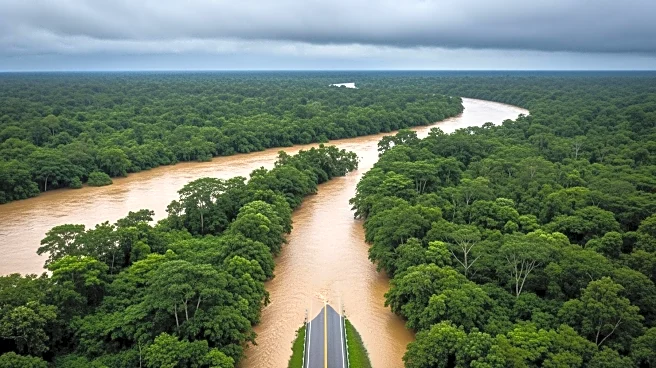
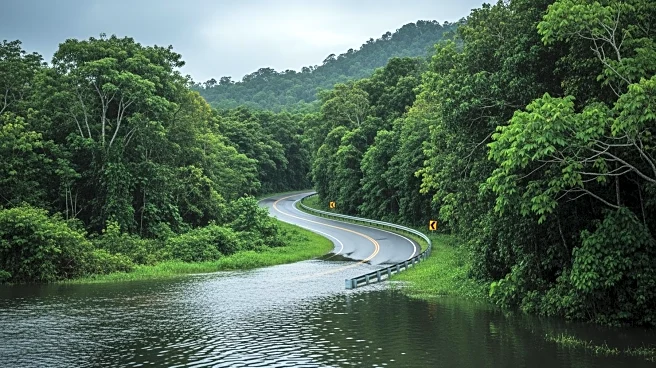
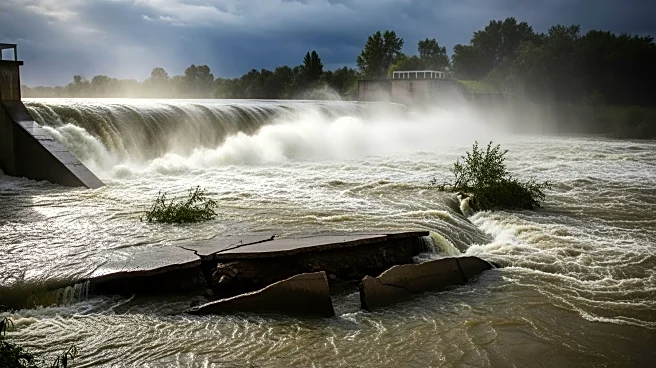
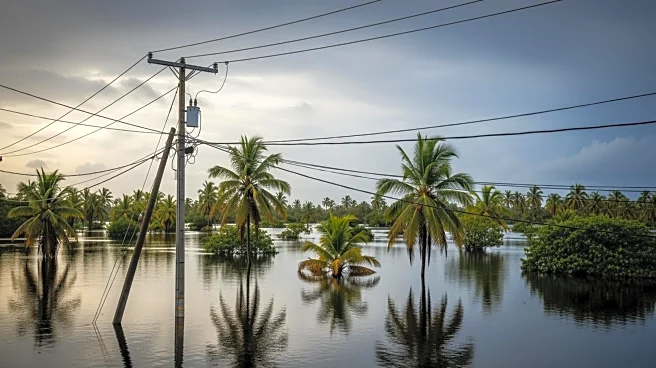
like Waialua and Haleiwa. The storm has damaged infrastructure, including homes, roads, and a hospital, with costs potentially exceeding $1 billion. Over 200 people have been rescued, and evacuation orders were issued for thousands. Governor Josh Green has been in contact with the White House to secure federal support for recovery efforts.
Why It's Important?
The flooding in Hawaii highlights the vulnerability of the islands to extreme weather events, which are becoming more frequent and severe due to climate change. The economic impact is significant, with damages to critical infrastructure and potential long-term effects on tourism, a major industry in Hawaii. The state's response and recovery efforts will be crucial in mitigating the immediate impacts and preparing for future events. The situation underscores the need for improved infrastructure resilience and emergency preparedness in the face of climate-related challenges.
What's Next?
As the storm continues, further rainfall is expected, and officials are monitoring the situation closely. Evacuation orders have been lifted in some areas, but residents are advised to remain cautious. The state government, in collaboration with federal agencies, will focus on recovery and rebuilding efforts. This includes assessing the full extent of the damage, restoring utilities, and providing support to affected communities. Long-term strategies may involve enhancing infrastructure to withstand future storms and addressing the broader implications of climate change on the region.