
What's Happening?
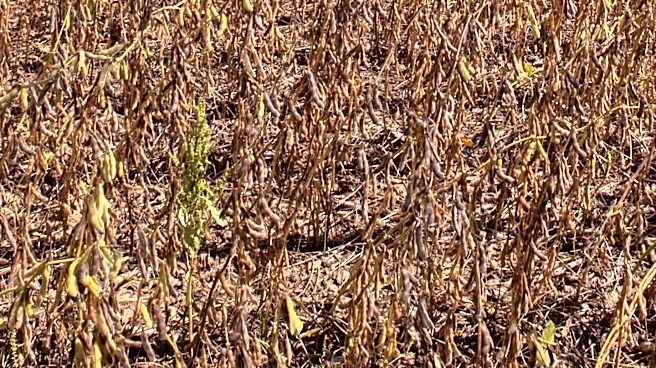
The Corn Belt is concluding its harvest season, characterized by strong soybean yields and more varied corn production. According to Justin Bahr, an accredited farm manager with the American Society of
Farm Managers and Rural Appraisers (ASFMRA), soybean harvest was largely finished by mid-to-late October, while corn harvest experienced delays due to a wet September and scattered rainfall in October and early November. Bahr anticipates that corn harvest will accelerate as drier conditions become more prevalent, with many growers expected to finish by Thanksgiving. Regionally, western Iowa, southern Minnesota, and eastern Nebraska have reported robust corn yields, with some producers achieving 222 to 250 bushels per acre or more. In contrast, eastern Iowa and Illinois have seen greater variability, with some producers on high-quality land reporting corn yields 10% to 15% lower than the previous year. Factors such as tar spot pressure in parts of Nebraska and dry growing conditions in southern Minnesota have also influenced production. The USDA’s November WASDE report adjusted the national corn yield estimate to 179.6 bushels per acre, down from 181.2 in October, reflecting these regional differences.
Why It's Important?
The varied agricultural output across the Midwest has significant implications for the U.S. agricultural sector and related markets. Strong soybean yields, despite lower commodity prices, offer some financial stability for farmers who rely on this crop. However, the variability in corn yields, coupled with a 10% to 15% decline in corn prices since late August, is squeezing farm margins. This situation highlights the vulnerability of farmers to weather patterns and market fluctuations, impacting their profitability and operational sustainability. The steady farmland values, even with lower commodity prices and rising interest rates, indicate continued investor confidence in agricultural land as a long-term asset. This demand, particularly for high-quality farmland, suggests a resilient underlying market, but also points to increasing selectivity among buyers for average-quality properties. The ongoing negotiations for cash rent decisions underscore the financial pressures on both landlords and tenants, as they balance input costs against potential yields and market prices. The overall economic health of the agricultural sector directly influences rural economies, food supply chains, and the broader U.S. economy.
What's Next?
As the harvest concludes, the focus will shift to post-harvest activities and planning for the next growing season. Farmers will be evaluating their financial positions, considering the impact of variable yields and lower commodity prices on their profitability. The expectation of drier conditions should facilitate the completion of the corn harvest, allowing farmers to prepare fields for winter. The continued demand for farmland, particularly high-quality parcels, suggests that land transactions will remain active through the fourth quarter. However, buyers are expected to exercise greater caution, influenced by interest rates and commodity prices. Decisions regarding cash rent for the upcoming year will be critical, with producers and landlords needing to carefully assess input costs and potential yields to set fair rates. The USDA’s future WASDE reports will continue to provide updated national yield estimates, which will further influence market sentiment and agricultural policy discussions. Additionally, the agricultural sector will be monitoring potential farm program payments and fuel relief assistance, which could offer some support to farmers facing tighter margins.
Beyond the Headlines
The current agricultural landscape in the Midwest reveals deeper trends within the U.S. farming industry. The increasing variability in corn yields, partly attributed to factors like tar spot pressure and dry growing conditions, underscores the growing impact of climate change and disease on crop production. This necessitates greater investment in resilient crop varieties, advanced farming techniques, and robust pest and disease management strategies. The sustained demand for farmland, even amidst economic uncertainties, highlights its role as a stable investment, potentially driven by both agricultural producers and external investors seeking tangible assets. This trend could lead to further consolidation in land ownership and impact access to land for smaller or new farmers. The tight farm margins, exacerbated by lower commodity prices and high input costs, also bring to light the ongoing debate about agricultural subsidies and support programs. The long-term sustainability of farming communities and the nation's food security depend on addressing these complex challenges through innovation, policy adjustments, and adaptive farming practices.