







What's Happening?
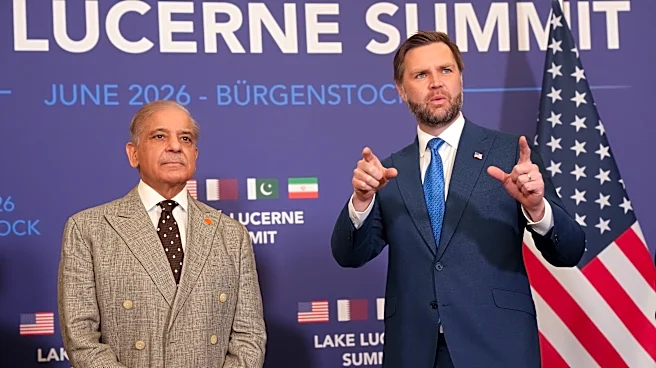
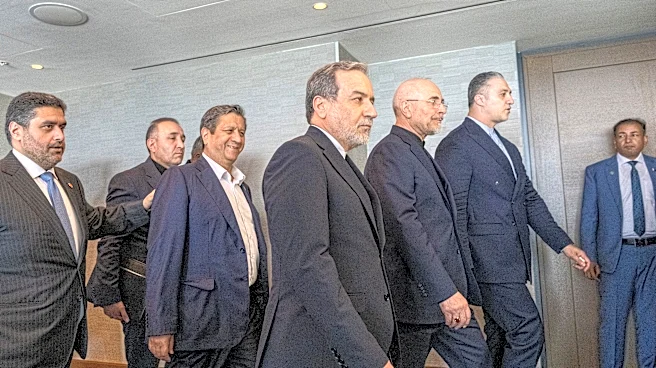
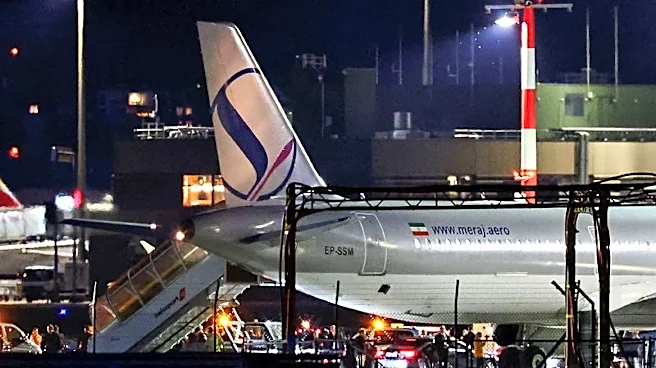
As Congress reconvenes, questions are emerging about President Trump's ceasefire agreement with Iran, coinciding with high-stakes nuclear talks in Switzerland involving U.S. officials and senior Iranian representatives. The discussions aim to address
Iran's nuclear program, a critical issue for U.S. foreign policy. The ceasefire, part of Trump's broader strategy to prevent Iran from developing nuclear weapons, is under scrutiny as lawmakers return to Washington. The outcome of these talks could significantly impact U.S.-Iran relations and the stability of the Middle East.
Why It's Important?
The nuclear talks and the ceasefire agreement are pivotal in shaping U.S. foreign policy towards Iran. A successful negotiation could lead to a reduction in nuclear proliferation risks and enhance regional stability. However, any perceived weakness or failure could embolden Iran and complicate diplomatic efforts. The situation also affects U.S. allies in the region, who are closely monitoring the talks. The outcome could influence future U.S. diplomatic strategies and military commitments in the Middle East.
What's Next?
The ongoing negotiations in Switzerland are expected to continue, with potential adjustments to the ceasefire agreement based on the talks' progress. Congress may hold hearings to assess the administration's approach and its implications for U.S. national security. Lawmakers from both parties are likely to express their views, potentially influencing the administration's strategy. The international community will also be watching closely, as the talks could set a precedent for future diplomatic engagements with Iran.