
What's Happening?
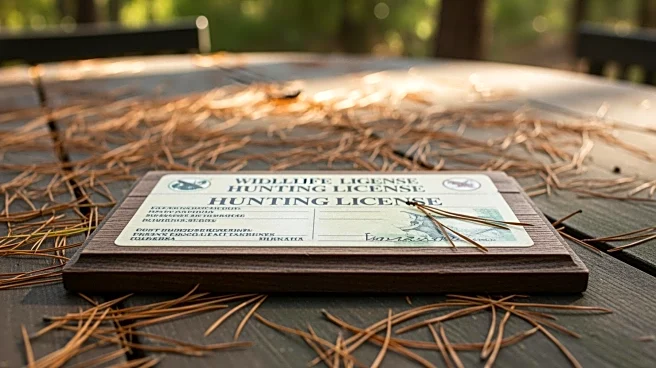
Brody Harshbarger, a Commissioner for the Idaho Department of Fish and Game, is facing seven misdemeanor charges related to hunting violations. The charges, filed by the Fremont County Prosecutor’s office on March 6, include three counts of unlawful taking
of game, and one count each of hunting without an appropriate tag, hunting from a motorized vehicle, shooting across a public highway, and trespassing on private property to hunt. The incidents reportedly occurred near the Spring Hollow boat ramp in Fremont County on December 20, 2025. Harshbarger, along with another individual named Eric Murphy, allegedly shot and killed two bull elk, one on private property and another on federal land. Harshbarger did not have a valid elk tag at the time, as he had already filled it the previous weekend. Murphy also lacked a valid tag for hunting on federal land. Harshbarger has pleaded not guilty to the charges and is scheduled for a pre-trial conference on April 29, while Murphy is set to be arraigned on April 2.
Why It's Important?
The charges against Harshbarger highlight significant issues regarding wildlife conservation and the enforcement of hunting regulations. As a Fish and Game Commissioner, Harshbarger holds a position of authority and responsibility in upholding the laws designed to protect wildlife. The allegations, if proven true, could undermine public trust in the regulatory body and its commitment to conservation efforts. This case also brings attention to the broader issue of poaching and illegal hunting practices, which can have detrimental effects on wildlife populations and ecosystems. The outcome of this case could influence future policies and enforcement strategies within the Idaho Department of Fish and Game and potentially impact similar regulatory bodies across the United States.
What's Next?
The legal proceedings will continue with Harshbarger's pre-trial conference scheduled for April 29. The case could lead to significant legal and professional consequences for Harshbarger, depending on the outcome. The Idaho Department of Fish and Game and the governor's office may also face pressure to review and possibly revise their appointment and oversight processes for commissioners. Additionally, this case may prompt increased scrutiny and enforcement of hunting regulations in Idaho and potentially influence legislative actions aimed at strengthening wildlife protection laws.