





What's Happening?
Several retired U.S. generals and a former director of a U.S. intelligence agency have expressed their belief that Ukraine currently holds the upper hand in its ongoing conflict with Russia. This assessment comes as Ukraine's top general, Oleksandr Syrski,
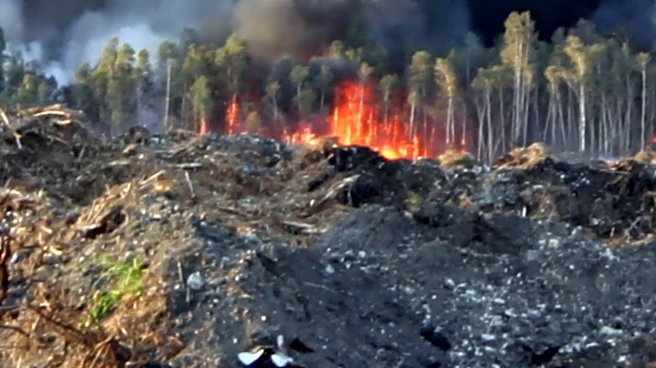
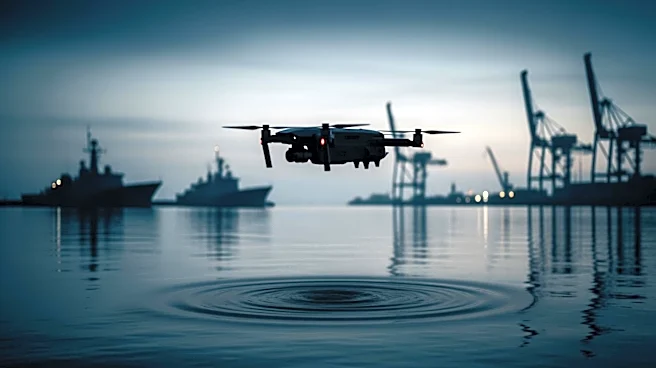
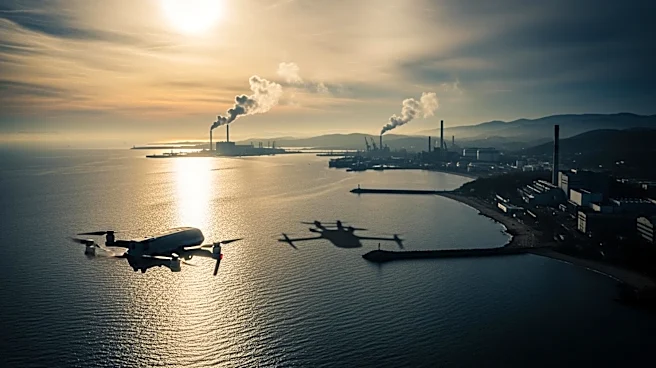
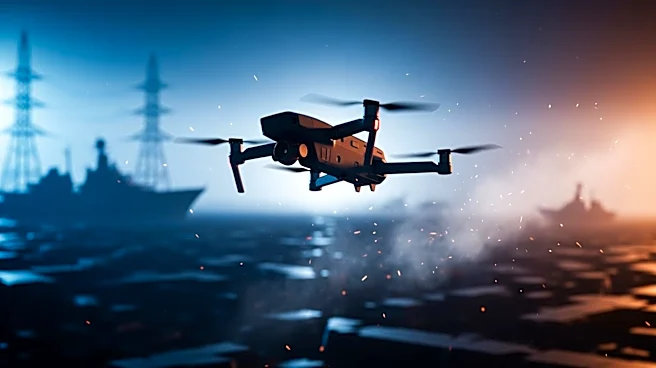
announced that Ukrainian forces have reclaimed approximately 232 square miles from Russian control this year, with significant fighting occurring in the southeast regions of Oleksandrivka and Huliaipole. The retired generals attribute Ukraine's recent successes to advancements in mid-range drone strike capabilities, which have become a critical component of their military strategy. These drones have been instrumental in targeting Russian logistics hubs and resource stockpiles, thereby disrupting the systems that support Russian offensives. Despite these operational gains, experts caution that the situation remains fluid and reversible, depending on potential escalations by Russia.
Why It's Important?
The developments in Ukraine's military strategy have significant implications for the broader geopolitical landscape. The use of advanced drone technology to disrupt Russian supply lines highlights a shift in modern warfare tactics, emphasizing the importance of technological superiority. For the U.S. and its allies, Ukraine's ability to counter Russian advances without direct military intervention underscores the effectiveness of providing strategic support and resources. This situation also places pressure on Russia, as prolonged conflict could strain its military resources and political standing. The ongoing conflict continues to impact global energy markets and international relations, with potential repercussions for U.S. foreign policy and economic interests.
What's Next?
As the conflict persists, both Ukraine and Russia are likely to continue their efforts to gain strategic advantages. Ukraine's focus on enhancing its drone capabilities suggests a continued emphasis on technological innovation in warfare. Meanwhile, Russia may seek to adapt its strategies to counter these advancements, potentially leading to further escalations. The international community, including the U.S., will closely monitor these developments, as any significant changes in the conflict's dynamics could influence diplomatic and military responses. The potential for a prolonged conflict remains, with both sides showing little interest in negotiating a ceasefire.