





What's Happening?
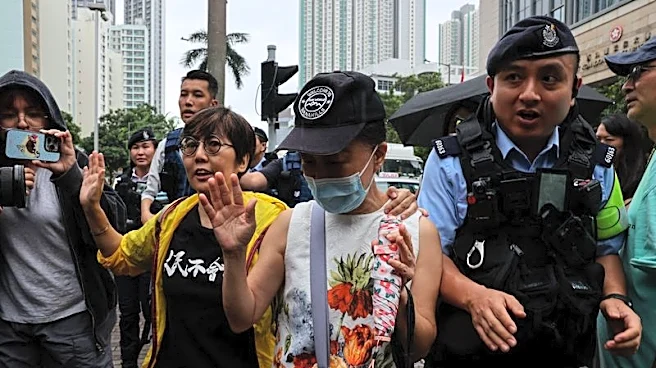
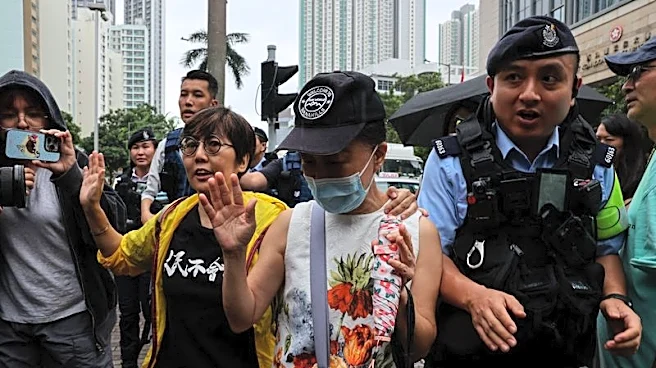
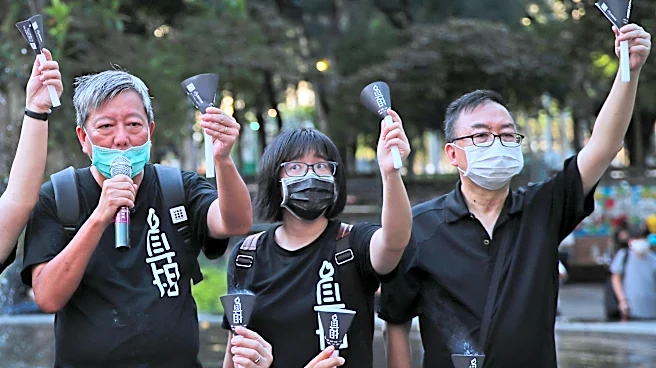
Lee Cheuk-yan and Chow Hang-tung, former leaders of the Hong Kong Alliance in Support of Patriotic Democratic Movements of China, have been convicted by government-approved judges in Hong Kong for inciting others to overthrow China's communist leadership.
The charges were brought in 2021 under the China-imposed national security law, which has significantly curtailed Hong Kong's pro-democracy movement. The alliance itself was also found guilty. Both individuals had pleaded not guilty and face a maximum prison term of 10 years. The judges ruled that the alliance's call to 'end one-party dictatorship' was not a demand for the Communist Party to return to a multiparty cooperation system, but rather an attempt to end its leadership status, which they deemed a breach of the constitution and 'unlawful means' under the security law. This verdict marks a significant moment in the erosion of freedom of expression in Hong Kong.
Why It's Important?
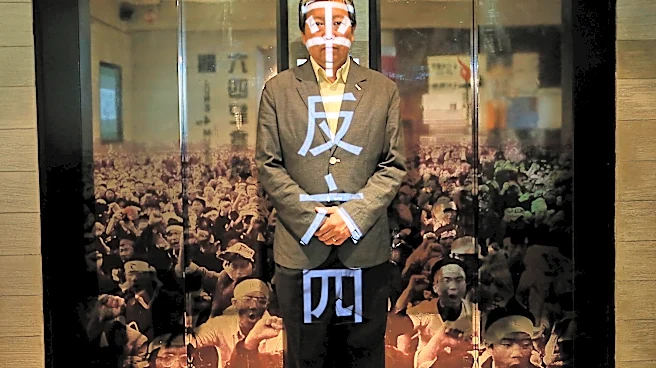
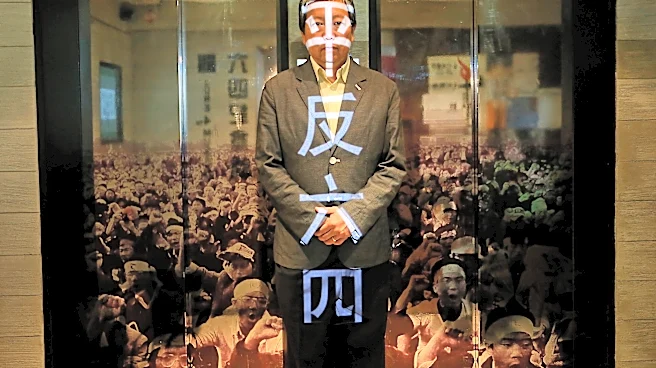
The conviction of Lee Cheuk-yan and Chow Hang-tung is a critical development that underscores the severe impact of Hong Kong's national security law on civil liberties and political dissent. For decades, Hong Kong was the only place on Chinese soil where the Tiananmen Square crackdown was openly commemorated, symbolizing its unique freedoms under the 'one country, two systems' framework. This verdict effectively criminalizes calls for political change that challenge the Communist Party's authority, setting a precedent that could further stifle any form of opposition or criticism. It sends a clear message that even historical commemorations and expressions of political ideals are now subject to strict interpretation under the security law. This erosion of freedom of expression and assembly has profound implications for Hong Kong's autonomy and its international standing as a hub for free speech and democratic values, impacting its legal system, civil society, and the confidence of international businesses and residents.
What's Next?
Lee Cheuk-yan and Chow Hang-tung are expected to be sentenced at a later date, where they will plead for lesser sentences. Their conviction will likely lead to further legal challenges and appeals, though the success of such appeals under the current legal framework remains uncertain. This case will also likely intensify international scrutiny and criticism of China's actions in Hong Kong, potentially leading to diplomatic pressure or sanctions from Western governments. Within Hong Kong, the verdict is expected to further deter public demonstrations and expressions of dissent, as individuals and organizations fear similar legal repercussions. The pro-democracy movement, already largely dismantled, will face even greater challenges in organizing or advocating for its goals. The long-term trajectory points towards a continued tightening of control over civil society and political discourse in Hong Kong, aligning it more closely with mainland China's authoritarian system.
Beyond the Headlines
This conviction goes beyond the immediate legal consequences for the individuals involved; it represents a fundamental shift in Hong Kong's identity and its relationship with mainland China. The ruling redefines what constitutes acceptable political discourse, effectively criminalizing any call that challenges the Communist Party's leadership. This has deep ethical and cultural implications, as it suppresses historical memory and the right to express alternative political visions. The 'one country, two systems' framework, once a promise of high autonomy, appears increasingly hollowed out. This situation could lead to a brain drain, as individuals seeking greater freedoms or fearing political persecution may choose to leave Hong Kong. It also raises questions about the future of international legal and business operations in the city, as the rule of law becomes increasingly aligned with Beijing's political objectives. The long-term impact could be a Hong Kong that is economically vibrant but politically muted, fundamentally altering its character and its role on the global stage.