






What's Happening?
New research is investigating how diet influences joint health, particularly in the context of inflammation and osteoarthritis (OA). Studies are focusing on plant-derived polyphenols and omega-3 fatty acids for their potential to regulate inflammatory
pathways and protect cartilage. Polyphenols, found in green tea, turmeric, grapes, and apples, have shown chondroprotective effects in laboratory and animal studies by modulating biochemical pathways responsible for cartilage degradation. Omega-3 polyunsaturated fatty acids (PUFAs), from sources like fish oil, can influence cell membrane composition and inflammatory lipid signaling within joints. Additionally, advanced glycation end-products (AGEs), which form in the body and during food processing, are being examined for their role in contributing to cartilage stiffness and inflammatory signaling. While some clinical trials suggest modest improvements in pain and joint function with selected polyphenol preparations and omega-3 supplements, whether dietary changes can preserve cartilage or slow disease progression remains uncertain.
Why It's Important?
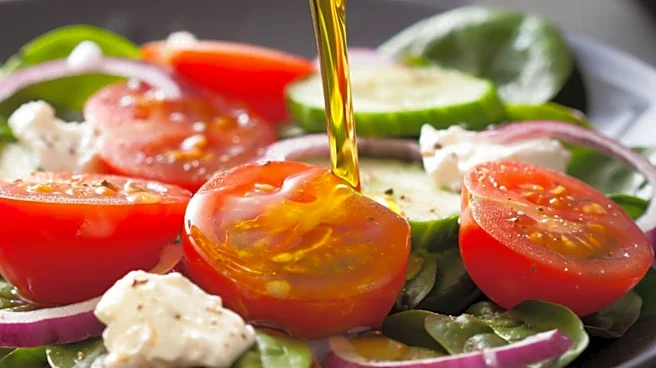
This research holds significant importance for the millions of Americans affected by osteoarthritis and other joint conditions. By exploring the link between diet and joint inflammation, scientists are opening new avenues for managing symptoms and potentially slowing disease progression. The findings could lead to more informed dietary recommendations and the development of nutritional interventions that complement traditional medical treatments. For patients, understanding the role of specific nutrients and dietary patterns, such as the Mediterranean diet, offers a proactive approach to managing their condition. The focus on compounds like polyphenols and omega-3s could also spur innovation in the supplement industry, although the research emphasizes the need for rigorous clinical testing to distinguish symptom relief from lasting structural changes in joints. This area of study could ultimately reduce reliance on pharmaceuticals and improve overall quality of life for those with joint pain.
What's Next?
Future research will need to conduct longer randomized trials that combine patient-reported outcomes with quantitative cartilage imaging, such as MRI, to determine if symptom improvements are accompanied by structural changes in joints. There is also a need to establish whether adherence to dietary patterns like the Mediterranean diet is directly associated with OA severity. Personalized nutrition based on metabolic, microbial, or synovial biomarkers remains a research objective, requiring validated markers and trials to show improved outcomes compared to standard dietary care. The effectiveness of combining different dietary approaches and the optimal dosage and formulation of supplements also require further investigation. Clinical testing is needed to confirm the ability of cooking methods that reduce AGE formation to prevent joint stiffening or improve arthritis outcomes.
Beyond the Headlines
The ongoing research into anti-inflammatory diets for joint health highlights a broader scientific and public interest in the power of nutrition as a therapeutic tool. It underscores the complex interplay between diet, gut microbiota, inflammation, and chronic diseases, moving beyond a simplistic view of food as mere sustenance. The challenges in distinguishing between symptom relief and actual disease modification in clinical trials reflect the inherent difficulties in nutritional research, where numerous variables can influence outcomes. This area of study also touches upon the ethical considerations of supplement marketing, emphasizing the need for robust scientific evidence before making health claims. Ultimately, this research contributes to a more holistic understanding of health, where lifestyle choices are increasingly recognized as fundamental to disease prevention and management, potentially shifting healthcare paradigms towards more integrated and preventive models.