







What's Happening?
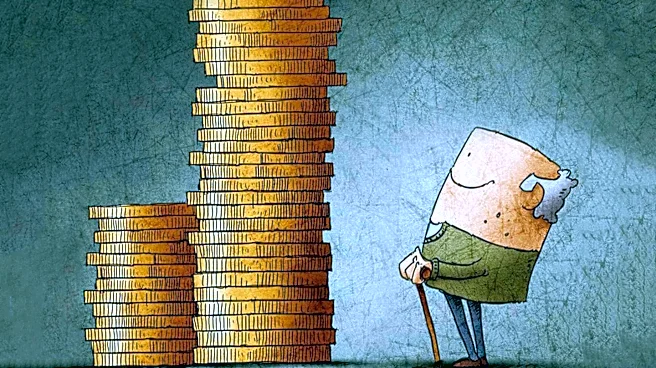
A Washington Post analysis reveals that the rising costs of elder care are significantly eroding the wealth that many Americans hoped to pass on to the next generation. As expenses for nursing homes, home aides, and memory care facilities increase, families
are finding their savings depleted, leaving little to no inheritance for their heirs. This trend is part of a broader phenomenon known as the Great Wealth Transfer, where the anticipated transfer of wealth from older to younger generations is being intercepted by the financial demands of aging.
Why It's Important?
The financial strain of elder care is reshaping the economic landscape for many American families, impacting their ability to build and transfer wealth. This has significant implications for economic inequality, as those without substantial savings or assets may find themselves unable to support their aging relatives or secure their own financial futures. The situation highlights the need for policy interventions to address the affordability of elder care and support for families facing these challenges. Without such measures, the economic burden could exacerbate disparities and hinder social mobility for future generations.
What's Next?
As the population continues to age, the demand for affordable elder care solutions is likely to grow. Policymakers may need to explore options such as increased funding for public elder care programs, incentives for private sector solutions, or reforms to existing healthcare systems to alleviate the financial pressures on families. Additionally, there may be a push for greater public awareness and planning around the financial aspects of aging, encouraging individuals to prepare for potential long-term care needs earlier in life.