




What's Happening?
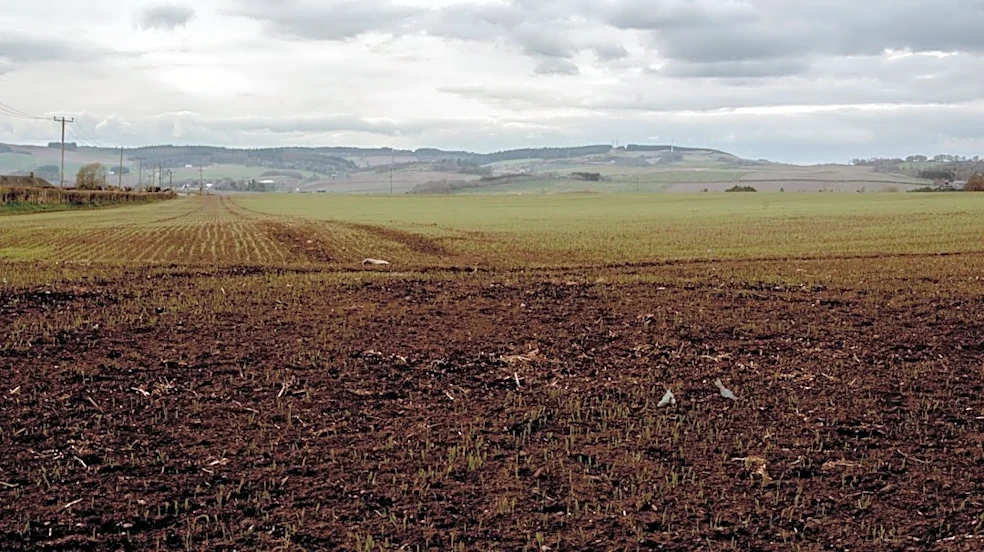
Texas producers are looking to a historically strong El Niño pattern with hope for significant moisture to replenish depleted soil profiles across the state. While early October storms brought some rainfall, leaving standing water in fields and 8-9 inches
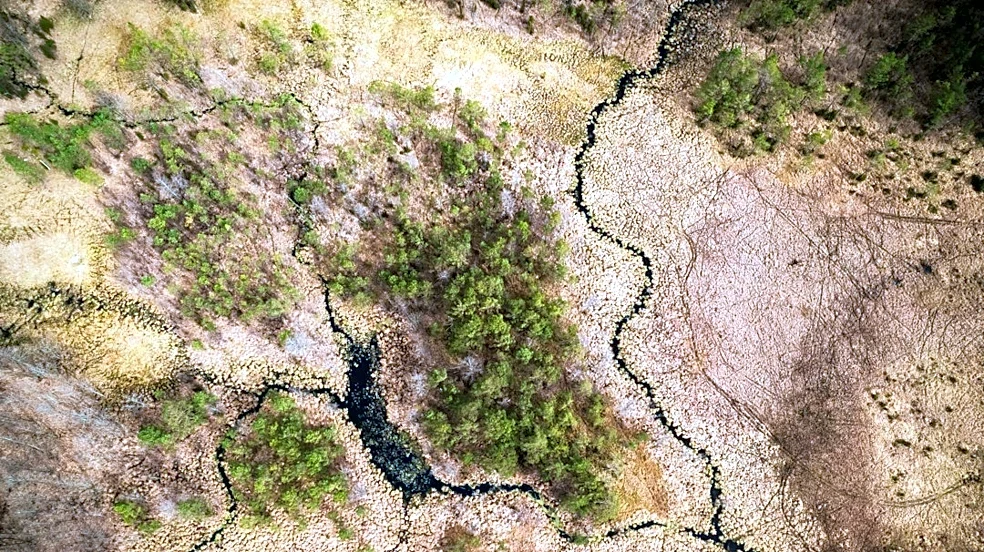
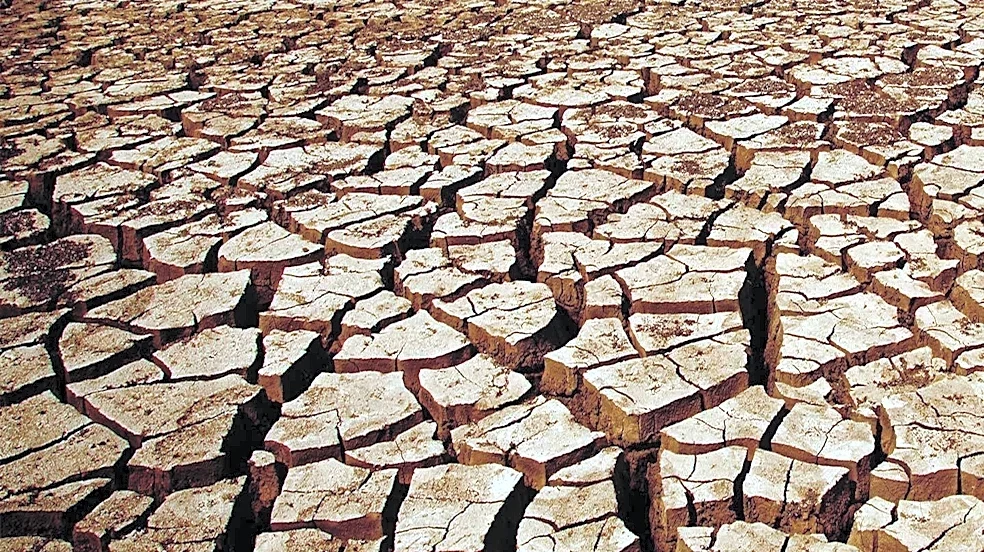
in parts of the Panhandle, Ronnie Schnell, Ph.D., a Texas A&M AgriLife Extension Service specialist, cautions that this is mostly surface moisture and not deep enough to alleviate the long-term drought. Most of Texas remains in drought on the U.S. Drought Monitor map. John Nielsen-Gammon, Ph.D., Texas state climatologist, notes that this El Niño is almost as strong as the phenomenon can get, with unusually warm tropical surface water creating a stronger, more southerly jet stream, which typically brings wet and cooler weather to Texas from October through April.
Why It's Important?
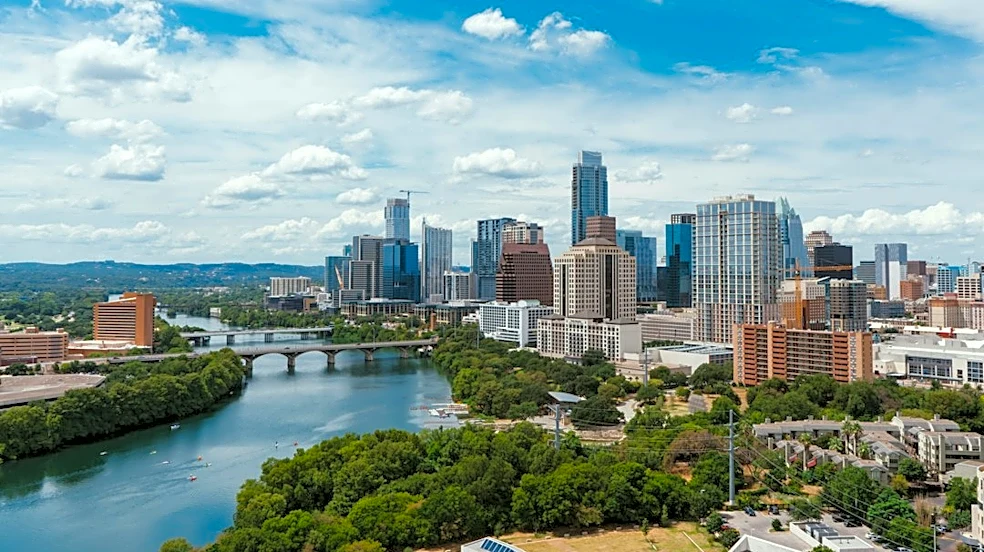
The potential for a 'super' El Niño to bring substantial moisture to Texas is critically important for the state's agriculture and water resources. Years of insufficient rainfall have left soil profiles dry and water bodies low, impacting crop yields, livestock, and municipal water supplies. While recent rains offer some temporary relief, deep moisture is essential for long-term agricultural sustainability and ecosystem health. A wetter winter could help recharge aquifers and reservoirs, providing much-needed relief to farmers and communities. However, a very wet pattern could also pose challenges, potentially delaying the planting of winter wheat, oats, and cool-season forages if fields become too saturated for equipment.
What's Next?
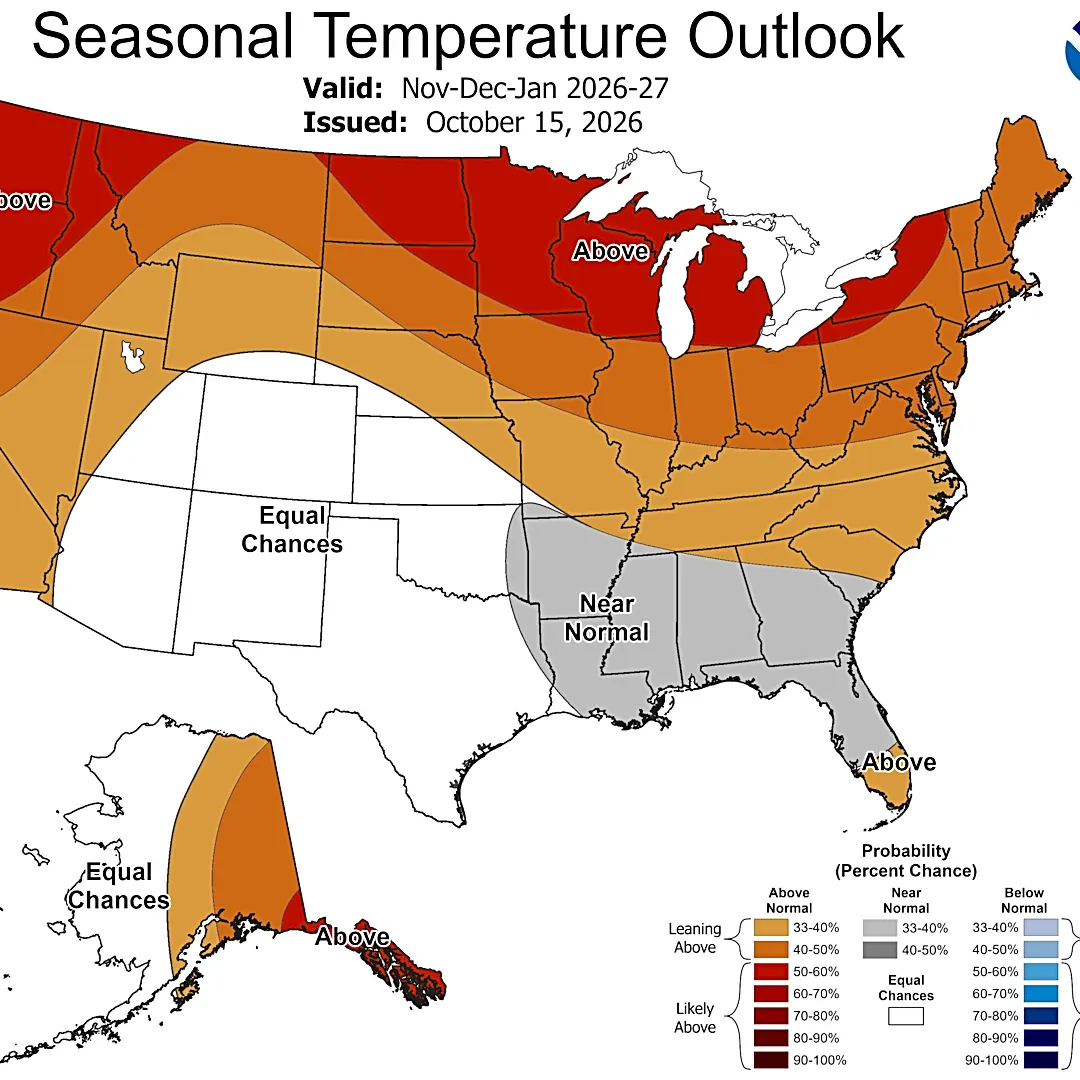
The current El Niño pattern is expected to peak around December and gradually weaken through the spring. Forecasters have high confidence in a wet and cooler outlook for Texas, particularly from October through February. This could lead to increased snow in the northern half of the state. While this pattern is generally beneficial, producers will need to monitor conditions closely, as excessive rain could disrupt planting schedules. There is also a tendency for a milder severe weather season in the spring following an El Niño, and a good chance of a La Niña developing next year, which typically brings drier conditions. Therefore, this winter's moisture may be a 'one-shot deal' for significant drought relief.
Beyond the Headlines
The anticipation of a 'super' El Niño highlights the profound influence of global climate phenomena on regional weather patterns and local economies. Beyond immediate agricultural concerns, a significant recharge of water resources could have broader ecological benefits, supporting wildlife and natural habitats that have suffered during prolonged drought. The potential for a milder severe weather season in the spring could also reduce risks associated with tornadoes and other extreme events. However, the cyclical nature of El Niño and La Niña patterns underscores the ongoing challenge of managing water resources in a climate-variable environment, emphasizing the need for long-term water conservation strategies and climate adaptation planning.