




What's Happening?
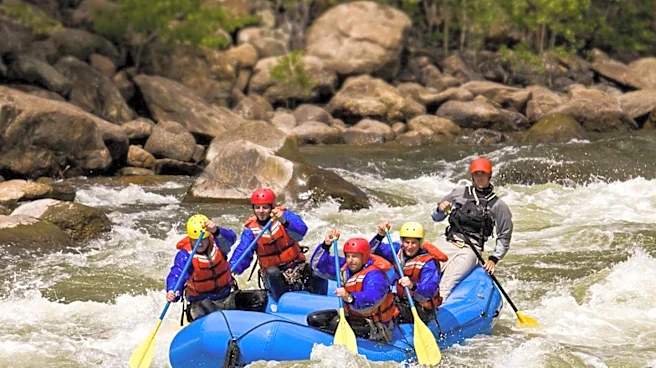
Columbus, Georgia, has successfully transformed a 2.5-mile stretch of the Chattahoochee River, previously defined by industrial dams, into a prominent urban whitewater rafting course. This ambitious project involved the removal of two historic dams, the City
Mills dam (built in 1828) and the Eagle & Phenix dam (built in 1882), which had supported industrial activity for generations. The removal of these dams, particularly the Eagle & Phenix dam in March 2013, allowed for the restoration of natural water flow and the creation of a diverse set of rapids, ranging from Class III+ to Class V. The course, which opened for test trips in May 2013, is now described by Whitewater Express as the world's longest urban whitewater rafting course. It operates alongside Uptown Columbus, forming the boundary between Georgia and Alabama, and features a Waveshaper structure that allows operators to adjust wave characteristics for different paddling experiences. The North Highlands dam, located 2.5 miles upstream, regulates water releases, influencing the conditions of the rafting course.
Why It's Important?
This transformation is important as it signifies a significant shift in how a major American city re-purposes its natural resources and urban infrastructure. The project, costing approximately $25 million and taking about 15 years from concept to completion, has created a new outdoor recreation destination within walking distance of downtown amenities. This initiative has not only boosted tourism, attracting an estimated 45,000 rafters annually (with a peak of 50,000 in 2021), but has also contributed to broader economic development in Uptown Columbus, with over $230 million in property investment. The whitewater course has also put Columbus on the map for competitive kayaking, hosting U.S. National Championships and World Cup/Championship competitions. Beyond economic impacts, the project represents a complex balance between preserving historical industrial landmarks and pursuing ecological restoration, particularly concerning the return of native species like the shoal bass, though the long-term environmental benefits are still being studied.
What's Next?
The Chattahoochee whitewater course is expected to continue serving as a key driver for tourism and economic activity in Columbus. Future developments will likely focus on sustained investment in the riverfront area, further integrating the recreational offerings with downtown businesses and attractions. Continued monitoring of the river's ecological health, particularly the population of shoal bass, will be crucial to assess the long-term environmental impact of the dam removals. The course's adaptability, through features like the Waveshaper, will allow it to cater to a wide range of visitors, from casual rafters to competitive kayakers. The city will also likely continue to host major whitewater events, further solidifying its reputation as a premier destination for water sports. The ongoing success of the whitewater course will depend on effective water management, continued public and private partnerships, and the ability to maintain the riverfront's appeal as a multi-faceted destination.
Beyond the Headlines
The Columbus whitewater project offers a compelling case study in urban revitalization and the re-evaluation of industrial heritage. The decision to remove historic dams, which were once central to the city's manufacturing identity and even listed as a National Historic Landmark, highlights a broader societal shift towards prioritizing recreation, environmental restoration, and public access to natural spaces. This transformation raises ethical questions about the balance between preserving historical structures and pursuing new forms of urban development and ecological goals. The project also underscores the complex interplay between economic development and environmental outcomes, as the return of native species like the shoal bass remains an ongoing scientific inquiry. Ultimately, the Chattahoochee River in Columbus has transitioned from a symbol of industrial power to a vibrant hub for outdoor recreation, reflecting a changing relationship between the city and its most significant natural resource, and setting a precedent for other cities considering similar transformations.