





What's Happening?
Beijing has been a hub of diplomatic activity this month, hosting several high-level delegations from around the world. Notable visits include Russian President Vladimir Putin, who signed trade and energy agreements, and Pakistan's Prime Minister, whose
visit resulted in over a billion dollars in business deals. The President of Serbia also visited, signing numerous trade and technology agreements. These visits reflect China's strategic diplomatic engagements, as it strengthens ties with various countries. Meanwhile, President Xi Jinping has not traveled abroad this year but is scheduled to visit Washington in the fall.
Why It's Important?
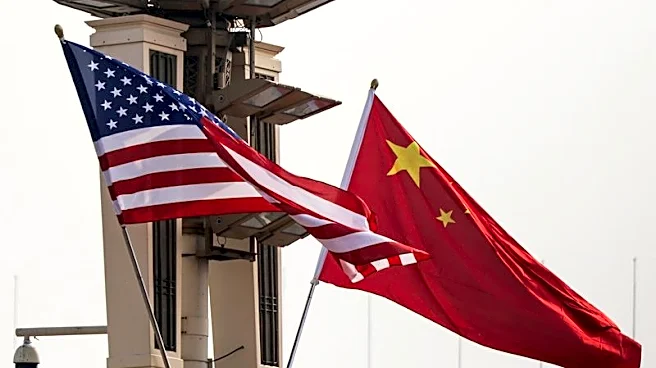
China's active diplomatic engagements highlight its growing influence on the global stage. By hosting leaders from diverse regions, China is positioning itself as a central player in international politics and economics. These visits could have significant implications for global trade, energy partnerships, and geopolitical alliances. For the U.S., China's diplomatic activities may necessitate a strategic response, particularly as President Xi plans a visit to Washington. The engagements also underscore China's role in shaping global economic and political landscapes, potentially affecting U.S. interests and policies.
What's Next?
As China continues to host international leaders, it may further solidify its role as a key global influencer. The upcoming visit of President Xi to Washington could be pivotal in U.S.-China relations, potentially addressing trade tensions and geopolitical issues. Observers will be watching for any shifts in alliances or new agreements that emerge from these diplomatic interactions. The U.S. and other nations may need to reassess their strategies in response to China's expanding diplomatic reach.
Beyond the Headlines
China's diplomatic activities reflect its broader strategy to enhance its global standing and influence. The focus on trade and technology agreements indicates China's priorities in securing economic growth and technological advancement. These developments may also prompt discussions on the balance of power in international relations and the role of emerging economies in shaping future global policies.