





What's Happening?
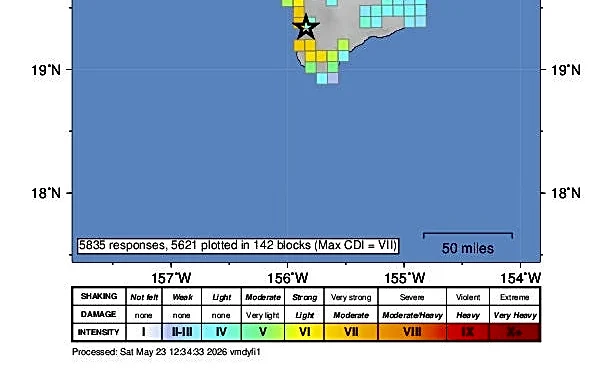
A magnitude 6.0 earthquake struck the west side of the Big Island of Hawai'i, causing light to moderate damage to infrastructure. The earthquake occurred near the west flank of Mauna Loa volcano, with its epicenter located about 7.5 miles south of Hōnaunau-Nāpō'opo'o.
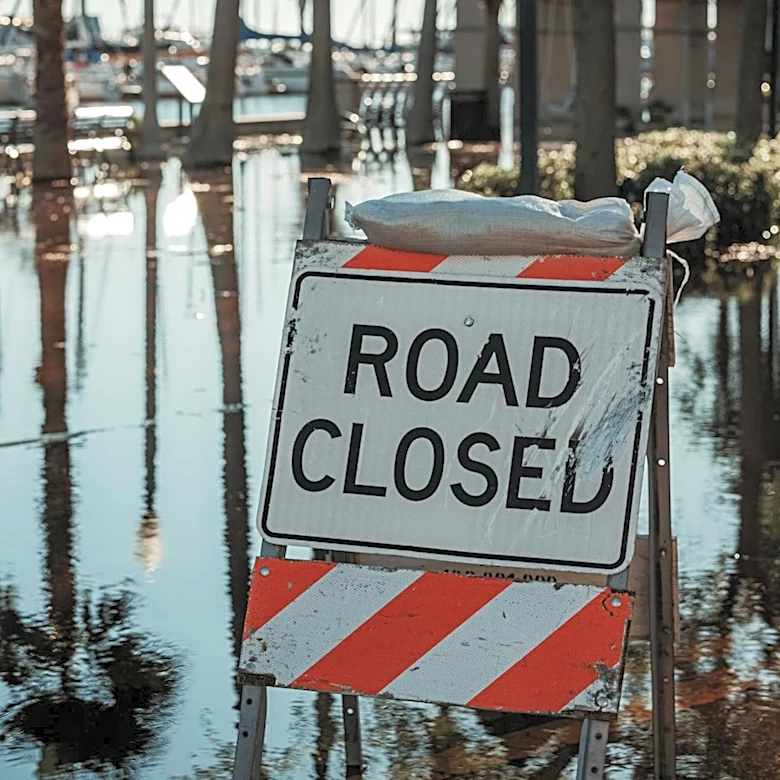
The tremor resulted in rockslides, road closures, and power outages, affecting approximately 1,000 Hawaiian Electric customers. Local authorities, including Hawai'i County Civil Defense, are conducting damage assessments and have warned of potential aftershocks. Despite the significant shaking, no tsunami threat was reported.
Why It's Important?
The earthquake highlights the vulnerability of Hawai'i's infrastructure to seismic activity, particularly in regions near active volcanoes. The event underscores the importance of preparedness and resilience planning for natural disasters in the region. The impact on local communities, including power outages and road closures, demonstrates the potential for disruption to daily life and economic activities. The response from local authorities and utility companies will be critical in restoring services and ensuring public safety. This incident also serves as a reminder of the ongoing geological activity in the Hawaiian Islands, necessitating continuous monitoring and readiness.
What's Next?
Authorities will continue to assess the damage and prioritize repairs to critical infrastructure, such as roads and power lines. Residents are advised to inspect their properties for damage, particularly to utilities like gas and water lines. The Hawaiian Volcano Observatory will monitor for any changes in volcanic activity, as the earthquake's proximity to Mauna Loa raises concerns about potential volcanic responses. Public safety announcements and updates from local government agencies will be crucial in guiding community recovery efforts. The potential for aftershocks remains, requiring ongoing vigilance from both residents and emergency services.