





What's Happening?
Luther Davis, a former University of Alabama football player, is set to plead guilty to charges related to a scheme in which he allegedly impersonated NFL players to secure fraudulent loans totaling nearly $20 million. According to the U.S. Attorney for the Northern
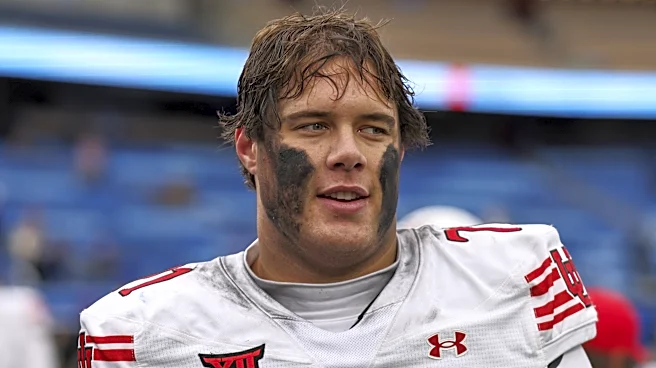
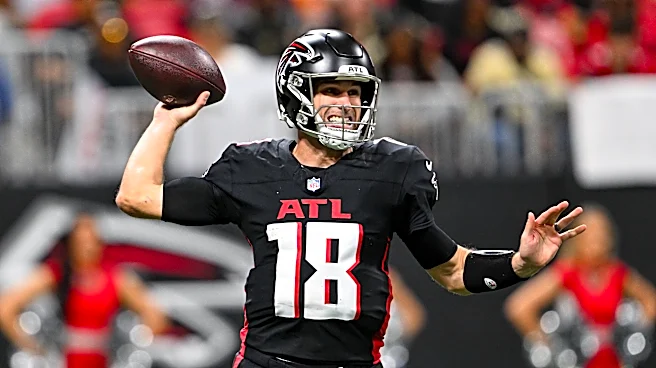
District of Georgia, Davis, along with his partner CJ Evins, orchestrated the scam by creating fake companies and using forged documents to impersonate professional athletes. The scheme involved obtaining at least thirteen fraudulent loans by using the identities of NFL players such as David Njoku, Xavier McKinney, and Michael Penix Jr. Davis reportedly attended virtual loan closings in disguise, using fake identification documents to convince notaries. Both Davis and Evins have been charged with aggravated identity theft and conspiracy to commit wire fraud, with a plea hearing scheduled for April 27.
Why It's Important?
This case highlights significant vulnerabilities in the financial system, particularly concerning identity verification processes. The ability of Davis and Evins to impersonate high-profile individuals and secure substantial loans underscores the need for more robust identity verification measures in financial transactions. The case also raises concerns about the potential for similar fraudulent activities to occur, affecting not only financial institutions but also the individuals whose identities are stolen. The outcome of this case could lead to increased scrutiny and regulatory changes in how financial institutions verify the identities of loan applicants, potentially impacting the broader financial industry.
What's Next?
As Davis and Evins prepare to enter guilty pleas, the legal proceedings will likely focus on the extent of the fraud and the penalties to be imposed. The charges of aggravated identity theft and conspiracy to commit wire fraud carry significant potential sentences, with wire fraud alone carrying a maximum sentence of up to 20 years in prison. The case may prompt financial institutions to review and strengthen their identity verification processes to prevent similar scams. Additionally, the affected NFL players and their representatives may seek legal recourse to address the misuse of their identities.