





What's Happening?
A 56-year-old Astor man died on Sunday morning after suffering a medical emergency aboard a pontoon boat on Lake Woodruff, Florida. The Volusia Sheriff's Office received a frantic 911 call around 6:45 a.m., prompting a multi-agency rescue operation. A VSO
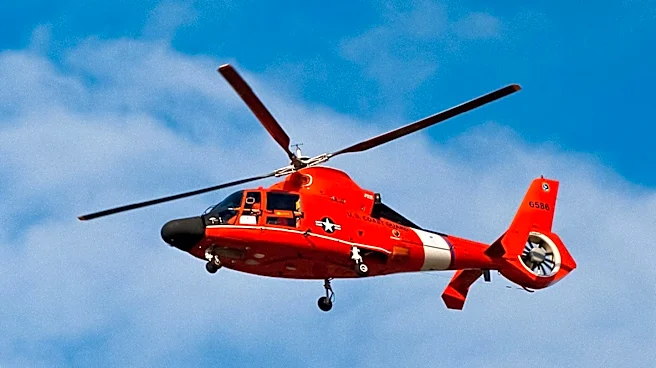
dispatcher provided CPR instructions to the caller while an Air One helicopter was dispatched. Flight Paramedic Matt Brunelle from Air One jumped into the lake to reach the fisherman, becoming the first responder on the scene. Patrol deputies, guided by Air One, also enlisted the help of a Good Samaritan with his own boat to reach the pontoon and continue CPR. Despite extensive life-saving measures by paramedics and other responders, the man could not be revived after being brought to shore and transported to a hospital.
Why It's Important?
This incident highlights the critical role of rapid response and coordinated efforts among emergency services, even in challenging aquatic environments. The immediate provision of CPR instructions by dispatchers and the swift deployment of air and marine units underscore the importance of comprehensive emergency protocols. The involvement of a civilian Good Samaritan also demonstrates community willingness to assist in crises. While the outcome was tragic, the extensive efforts by all involved reflect the dedication of emergency personnel to save lives. This event serves as a reminder of the unpredictable nature of medical emergencies and the necessity for continuous training and resource allocation for water-based rescues, particularly in areas frequented by recreational boaters and fishermen.
What's Next?
The Volusia Sheriff's Office has extended its condolences to the man's family and loved ones. No further official actions are expected regarding the rescue operation itself, as all available resources were deployed. This incident may prompt local authorities to review and potentially refine their water rescue protocols, especially concerning response times and coordination in remote or difficult-to-access areas. Public awareness campaigns about boating safety and the importance of knowing CPR could also be reinforced. The event serves as a somber reminder for individuals engaging in recreational activities on the water to be prepared for potential medical emergencies, including having communication devices and basic first aid knowledge readily available.
Beyond the Headlines
Beyond the immediate tragedy, this event subtly underscores the broader challenges of providing emergency medical services in diverse geographical settings. Lakes and other natural environments present unique obstacles for first responders, from accessibility issues to the need for specialized equipment and training. The reliance on a Good Samaritan in this instance, while commendable, also points to potential gaps in immediate professional response capabilities in certain remote areas. This incident could spark discussions on enhancing public access to defibrillators in recreational areas, increasing the number of trained medical personnel in such regions, and improving cellular or satellite communication infrastructure to ensure timely emergency calls. It also highlights the emotional toll such events take on first responders, who often exert maximum effort despite heartbreaking outcomes.