
What's Happening?
Hannah Hampton, a 15-year-old from Ammanford in Carmarthenshire, has fully recovered from acute lymphoblastic leukaemia and is looking forward to spending Christmas at home. Her recovery was made possible
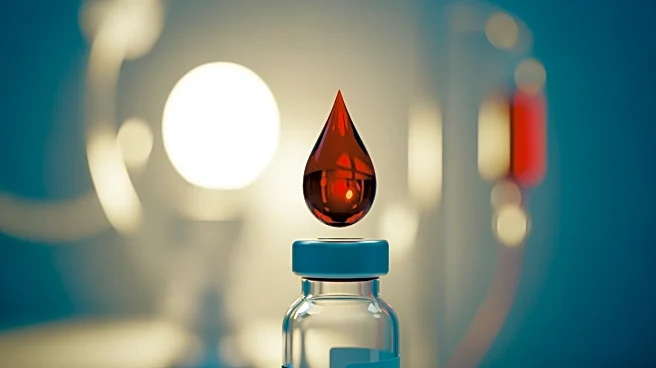
through numerous red blood cell and platelet transfusions, which her family credits with saving her life twice. Her father, Adam, became a regular platelet donor following her initial diagnosis and has since made over 230 donations. The Welsh Blood Service emphasizes the critical need for blood donations, especially during winter, as they require 350 donations daily to meet the demands of 19 hospitals in Wales. Approximately 70% of these donations aid patients with cancer and blood disorders.
Why It's Important?
The story of Hannah Hampton underscores the vital role of blood donations in treating life-threatening conditions like cancer. Blood and platelet transfusions are essential for patients undergoing intensive treatments, and the availability of these resources can significantly impact survival rates. The Welsh Blood Service's call for donations highlights a broader issue of supply and demand in healthcare, particularly during winter months when donation rates typically decline. This situation stresses the importance of community involvement in blood donation drives to ensure a steady supply for those in need. The narrative also illustrates the personal impact of donations, as seen through Adam Hampton's commitment to donating after witnessing its life-saving effects on his daughter.
What's Next?
The ongoing need for blood donations remains a critical focus for the Welsh Blood Service, especially as they aim to collect over 21,000 donations during the winter season. Efforts to increase awareness and encourage more people to donate are likely to continue, with potential campaigns targeting the 97% of eligible individuals who do not currently donate. The service may also explore partnerships with local organizations to facilitate donation drives and improve accessibility. For families like the Hamptons, sharing their story could inspire others to contribute, potentially leading to increased donation rates and better outcomes for patients requiring transfusions.
Beyond the Headlines
Beyond the immediate need for blood donations, this story highlights the emotional and psychological aspects of dealing with serious illnesses. For families, the availability of medical resources can provide hope and a sense of agency in otherwise uncontrollable situations. The Hamptons' experience also reflects broader societal issues related to healthcare access and the importance of community support systems. Additionally, the story may prompt discussions about the ethical responsibility of eligible donors to contribute to public health efforts, especially in regions with high demand for blood products.