






What's Happening?
British intelligence has reported that nearly 500,000 Russian soldiers have been killed since the onset of Russia's full-scale invasion of Ukraine in 2022. This figure was disclosed by Anne Keast-Butler, the director of the UK's Government Communications
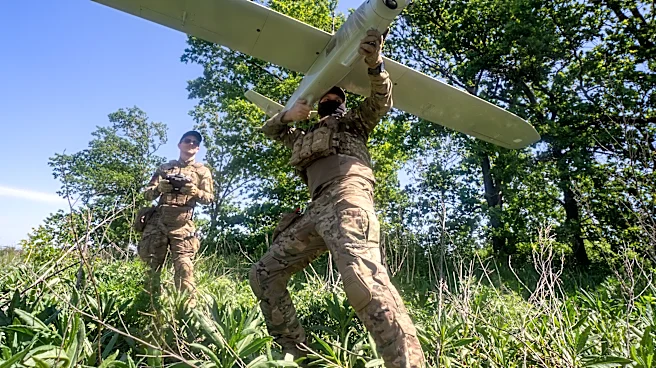
Headquarters (GCHQ), during a recent speech. The report aligns with other estimates from Western governments and independent media, highlighting the severe toll on Russian military forces. The conflict, which has reached a near stalemate, has seen Ukrainian forces employing innovative drone tactics to counter Russian advances. Despite Russia's initial strategy of mobilizing 300,000 men in September 2022, the recruitment of new soldiers has reportedly slowed, with Russia losing more men monthly than it can recruit. Ukrainian forces have managed to recapture small territories, although both sides have suffered significant casualties.
Why It's Important?
The reported casualty figures underscore the intense and ongoing human cost of the conflict, affecting both Russian and Ukrainian forces. The high number of Russian casualties reflects the challenges faced by Moscow in sustaining its military campaign, potentially impacting its strategic capabilities and domestic support for the war. For Ukraine, the ability to leverage drone technology and regain territory is crucial for maintaining momentum and morale. The conflict's toll on human life and resources continues to strain international relations and economic stability, with potential implications for global security and geopolitical dynamics. The situation also highlights the importance of international support for Ukraine and the broader implications for NATO and European security.
What's Next?
As the conflict continues, both Russia and Ukraine are likely to face increasing pressure to adapt their military strategies. Ukraine's focus on drone technology and tactical innovations may continue to play a critical role in its defense efforts. Meanwhile, Russia's recruitment challenges could lead to strategic shifts or increased reliance on alternative military tactics. The international community, particularly NATO and European nations, will likely continue to monitor the situation closely, with potential implications for military aid and diplomatic efforts. The ongoing conflict may also influence future negotiations and peace talks, with both sides seeking to strengthen their positions.
Beyond the Headlines
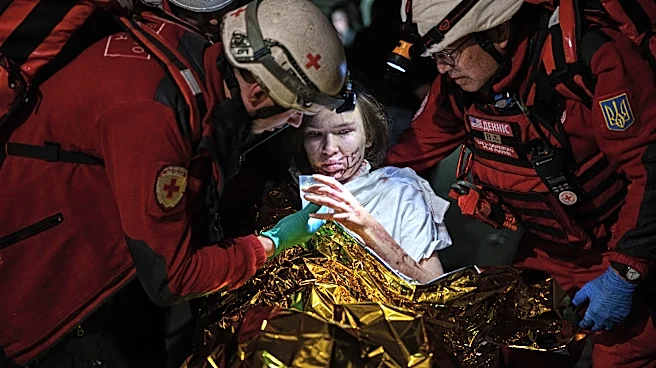
The conflict's impact extends beyond immediate military and geopolitical concerns, affecting global economic conditions and humanitarian efforts. The disruption of supply chains and energy markets has had widespread economic repercussions, influencing inflation and economic growth in various regions. Additionally, the humanitarian crisis resulting from the conflict has led to significant displacement and suffering, necessitating international aid and support. The ethical and legal dimensions of the conflict, including issues of war crimes and human rights violations, continue to be areas of concern for international organizations and civil society groups.