






What's Happening?
Quincy University President Brian McGee has provided details on how donor funding is being utilized, emphasizing its critical role in the university's operations and growth. According to McGee, donations from alumni, family members of graduates, private
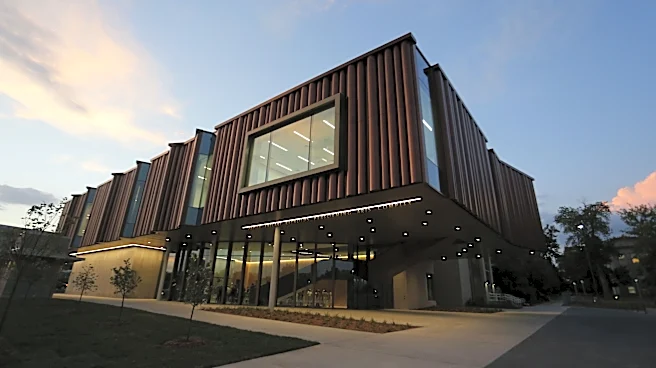
foundations, and federal grants are essential, as the university cannot sustain itself solely on tuition and fees. The funds have been allocated to various areas, including significant campus renovations such as the exterior painting of Friars Hall, the tallest building on campus, and the installation of new air conditioning and a chapel inside the same building. Additionally, donor money has facilitated the acquisition of new engineering equipment valued at over $200,000 and the expansion of academic programs, including new graduate health science and engineering programs, with a clinical doctoral program in physical therapy also in preparation. McGee highlighted that nearly 100% of Quincy University students receive financial aid, often substantial, which is made possible by these philanthropic contributions. This marks the second consecutive year and the third time in the university's history that donations have exceeded $10 million in a single year, coinciding with an increase in enrollment.
Why It's Important?
The reliance of Quincy University on donor funding underscores a broader trend in higher education, particularly for private institutions, where tuition and fees alone are insufficient to cover operational costs and strategic investments. This model of philanthropy-driven growth is crucial for universities to remain competitive, adapt to evolving educational demands, and provide accessible education. The significant donor contributions enable Quincy University to enhance its facilities, acquire cutting-edge equipment, and develop new academic programs that align with 21st-century career demands. This directly impacts the quality of education and the opportunities available to students, preparing them for specialized fields like engineering and physical therapy. Furthermore, the high percentage of students receiving financial aid highlights the role of donor support in promoting educational equity and accessibility, allowing a diverse student body to pursue higher education regardless of their financial background. The sustained increase in donations and enrollment suggests a strong belief in the university's mission and its ability to transform students' lives, positioning it for continued success in a challenging educational landscape.
What's Next?
Quincy University is poised to continue its trajectory of growth and program expansion, fueled by ongoing donor support. The university plans to launch a new clinical doctoral program in physical therapy, further diversifying its academic offerings and addressing demands in the healthcare sector. The sustained philanthropic interest, with over $10 million in donations for the second consecutive year, indicates a strong foundation for future initiatives. President McGee's emphasis on adjusting to the 'demands of the 21st Century' suggests a continued focus on developing relevant and in-demand programs. The university will likely continue to invest in facility upgrades and technological advancements to support these new programs and enhance the overall student experience. Efforts to maintain and grow donor relationships will be critical to sustaining this momentum, ensuring that the university can continue to provide significant financial aid and keep education accessible to a broad range of students. The success in fundraising and enrollment also sets a precedent for other private institutions facing similar financial pressures.
Beyond the Headlines
The narrative at Quincy University reflects a fundamental shift in the financial model of many private educational institutions, moving beyond tuition-centric funding to a more diversified approach heavily reliant on philanthropy. This trend raises questions about the long-term sustainability of higher education and the increasing role of private benefactors in shaping academic priorities and accessibility. While donor funding enables crucial investments and student support, it also highlights the vulnerability of institutions to economic fluctuations and the priorities of their donors. The emphasis on new programs in health science and engineering, driven by donor contributions, suggests a market-driven approach to education, where universities adapt to industry needs to attract funding and students. This could lead to a more specialized educational landscape, potentially at the expense of broader liberal arts programs if not carefully balanced. The success of Quincy University in securing significant donations also underscores the importance of alumni engagement and community trust in the institution's vision and impact.