







What's Happening?
The City of Aurora, Illinois, is encountering higher expenses for its winter road salt supply after a state bidding process failed to secure competitive prices. Earlier this year, Aurora, like over 250 other municipalities, participated in a state-managed
bidding process to purchase road salt. However, the state received no bids from salt providers, forcing Aurora to seek independent suppliers. This situation has led to a significant increase in per-ton costs for the city. According to Aurora Superintendent of Street Maintenance Adrian Perez, the city is now paying $85.20 per ton for independently sourced salt, compared to $74.30 per ton through a county process, resulting in a $68,125 difference for the same quantity. Aurora had planned to acquire 12,500 tons of salt, splitting the purchase between state and county channels, but the state's inability to secure bids disrupted this strategy. Despite the challenges, two of Aurora's salt domes are currently full, and the city is working to finalize additional purchases with the city council.
Why It's Important?
This development highlights the vulnerabilities in municipal procurement processes and the potential for unexpected cost increases that can impact local government budgets. The substantial price difference for road salt directly affects taxpayer funds, as Aurora anticipates spending over $1 million to fill its largest salt dome. Such unforeseen expenditures can strain city budgets, potentially diverting funds from other essential services or leading to higher taxes in the future. The situation also underscores the broader market dynamics for essential commodities like road salt, where supply chain disruptions or a lack of competitive bids can significantly inflate prices for public entities. For residents, this could translate into higher property taxes or reduced city services if the increased costs are not absorbed efficiently. The incident also serves as a cautionary tale for other municipalities relying on state-level procurement, emphasizing the need for contingency plans in securing critical resources.
What's Next?
Aurora city leaders are actively working to address the salt shortage and high prices. They anticipate receiving more salt deliveries and plan to finalize the remaining salt purchases with the city council in the near future. Additionally, the city is preparing its crews for the upcoming winter season, with salt training scheduled to begin shortly. The experience may prompt a review of Aurora's procurement strategies for essential winter supplies, potentially leading to more diversified sourcing methods or earlier engagement with suppliers to mitigate future risks. Other municipalities that faced similar bid shortfalls from the state will also need to secure their salt supplies, which could further impact market prices and availability. The state's ability to eventually find a seller for its orders suggests that the broader supply issue might be resolved, but individual cities like Aurora have already incurred higher costs.
Beyond the Headlines
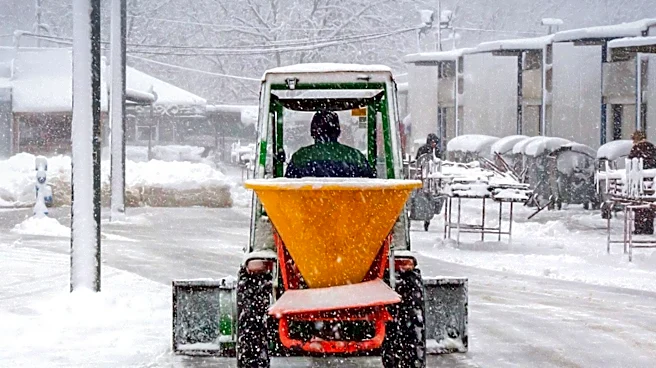
The challenges faced by Aurora in securing winter road salt extend beyond immediate budgetary concerns, touching upon broader issues of infrastructure resilience and public safety. Effective snow and ice removal are crucial for maintaining safe transportation routes, ensuring emergency service access, and supporting local commerce during winter months. A shortage or significant cost increase in road salt can compromise these functions, potentially leading to more hazardous driving conditions, increased accidents, and disruptions to daily life. This situation also reflects the complex interplay between state and local government procurement, where a failure at one level can cascade into financial and operational difficulties for numerous municipalities. It underscores the importance of robust supply chain management for public services, especially for seasonal necessities that are subject to market fluctuations and unforeseen disruptions. The incident may also spark discussions about alternative de-icing methods or long-term strategies to reduce reliance on traditional road salt.