





What's Happening?
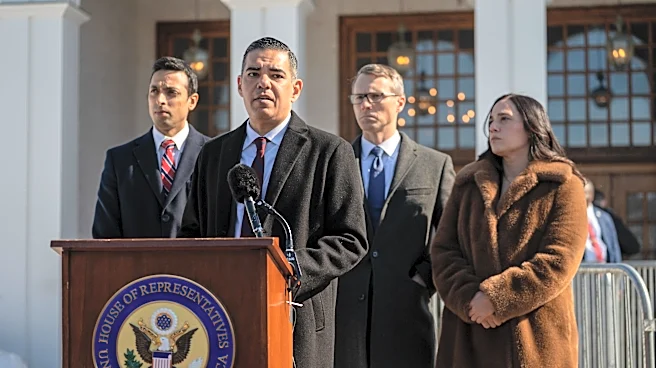
Representative Raul Ruiz has introduced H.R. 10985, the Waste Incineration Protection, Exposure Oversight, and Updated Tracking of Burn Pits Act. This bill, introduced on November 10, 2026, with two cosponsors, aims to compel the Department of Defense
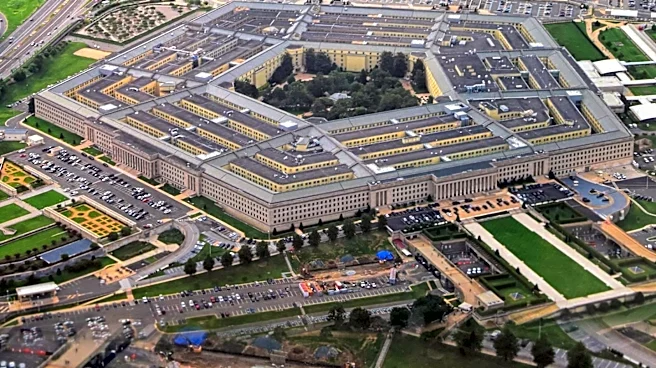
(DoD) to improve its efforts in identifying, tracking, reporting, and reducing the use of open-air burn pits near U.S. military personnel stationed overseas. The legislation defines an open-air burn pit as an outdoor area used for burning solid waste without specialized incinerator equipment. It also specifies various overseas military locations where U.S. troops might be present. Key provisions include requiring the Secretary of Defense to update policy within 180 days for commanders to identify and report burn pits not controlled by the DoD, especially those within 4,000 meters of U.S. military installations or personnel. These identified burn pits would be added to the DoD's official watch list. The bill also mandates air quality data collection and evaluation for reported burn pits, including testing for common toxins, and requires the documentation of exposure risks and testing results in service members' individual health records.
Why It's Important?
This legislation is significant for several reasons, primarily concerning the health and well-being of U.S. military personnel. Exposure to open-air burn pits has been linked to various serious health issues among veterans, making this bill a critical step toward mitigating future harm. By requiring more rigorous tracking and reporting, the bill aims to create a comprehensive record of exposure, which can be vital for future healthcare and disability claims for service members. The mandate for air quality testing and the inclusion of exposure data in health records will provide crucial evidence for understanding the long-term health impacts. Furthermore, the push for alternative waste disposal systems and collaboration with host nations to cease burn pit use demonstrates a commitment to environmental responsibility and the protection of both U.S. personnel and local communities. This could lead to improved health outcomes for thousands of service members and potentially reduce the financial burden on the Department of Veterans Affairs for treating burn pit-related illnesses in the future.
What's Next?
If H.R. 10985 progresses through Congress and becomes law, several immediate actions would be required from the Department of Defense. Within 180 days, the Secretary of Defense would need to update DoD policy regarding the identification and reporting of burn pits. This would involve commanders actively seeking out and documenting burn pits, particularly those not under DoD control but in proximity to U.S. personnel. The DoD would also be tasked with implementing air quality data collection and evaluation for these sites. Within 90 days of enactment, the Secretary of Defense would be required to submit a report to Congress detailing existing open-air burn pits near U.S. military locations, including those operated by allies or host nations. Additionally, the bill mandates the deployment of alternative solid waste disposal systems where burn pits are currently used by the DoD or its contractors within 180 days. The Defense and State Departments would also need to collaborate with host nations to develop plans to discontinue the use of host-nation-controlled burn pits that expose U.S. service members to toxic hazards, with a report to Congress on these efforts due within 90 days.
Beyond the Headlines
The introduction of H.R. 10985 highlights a growing legislative focus on the long-term health consequences faced by military personnel due to environmental exposures during service. This bill reflects a broader societal recognition of the sacrifices made by service members and the need for comprehensive support for their post-service health. Beyond the immediate health implications, this legislation could set a precedent for how the U.S. military manages waste disposal in operational theaters globally, potentially influencing environmental policies in host nations. It also underscores the ethical responsibility of the U.S. government to protect its service members from preventable harm and to provide adequate care for those affected. The emphasis on inter-agency cooperation between the Defense and State Departments, as well as collaboration with host nations, points to a more integrated approach to military operations that considers both strategic objectives and environmental/health impacts. This could foster greater transparency and accountability in military waste management practices worldwide.