



What's Happening?
South Korea is facing a severe heatwave, with temperatures reaching a record high of 42.5 degrees Celsius in Yangsan. The heatwave has resulted in 19 deaths and over 2,000 cases of heat-related illnesses. President Lee Jae Myung has declared the situation
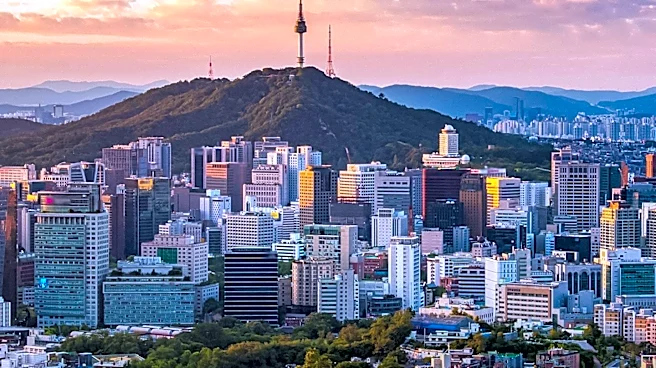
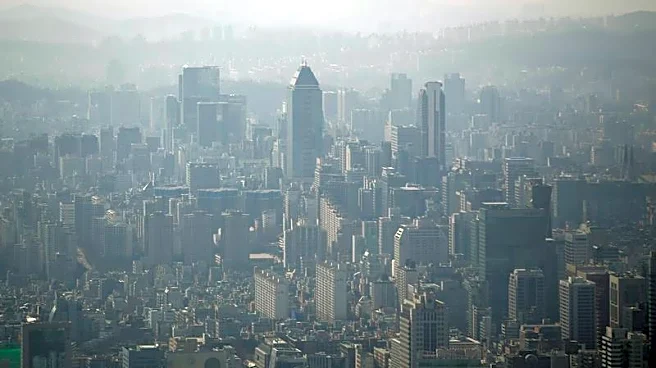
a national disaster and has called for measures to protect citizens and manage the increased demand for air conditioning. The Korea Meteorological Administration has issued a severe heatwave warning for Seoul, marking the first time such a warning has been issued for the capital.
Why It's Important?
The heatwave highlights the growing impact of climate change, with extreme weather events becoming more frequent and intense. The situation poses significant challenges for public health and infrastructure, as authorities struggle to protect vulnerable populations and maintain power systems under increased demand. The economic implications are also considerable, as outdoor work is disrupted and energy consumption rises. The government's response to this crisis will be crucial in mitigating the immediate effects and preparing for future climate-related challenges.
What's Next?
Authorities are implementing emergency measures, including deploying trucks to spray water on roads and conducting welfare checks on vulnerable residents. The government is also considering long-term strategies to overhaul the national crisis management system to better handle such extreme weather events. The ongoing heatwave may prompt further discussions on climate policy and infrastructure resilience in South Korea.