


What's Happening?
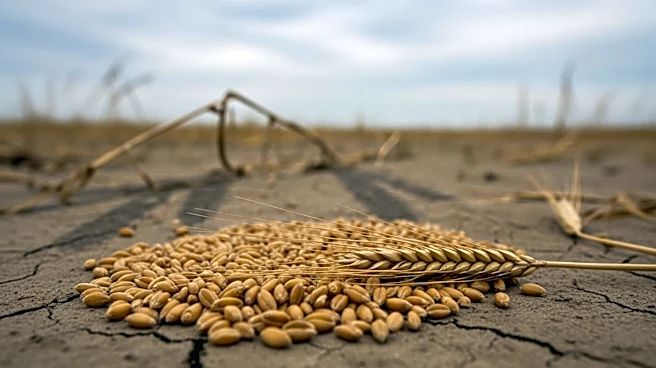
The Food and Agriculture Organization (FAO) of the United Nations has forecasted a 2% decline in global cereal production for the 2026/27 season, primarily due to expected lower wheat harvests in major producing countries. This projection follows a record-breaking
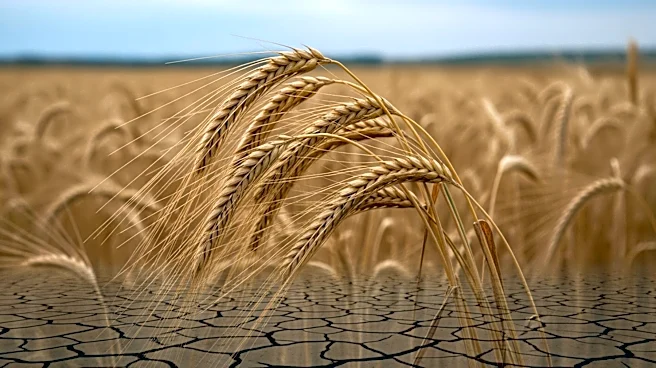
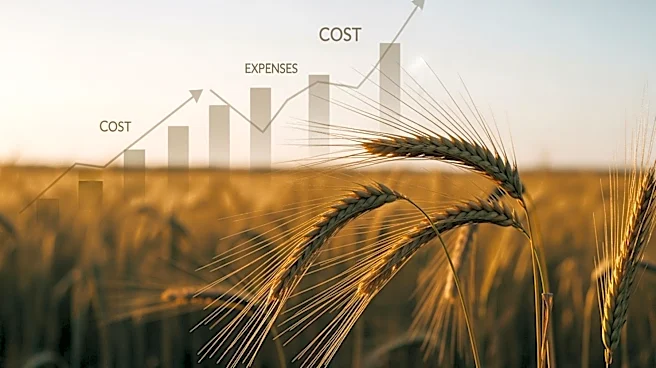
2025/26 season where global cereal production reached 3.043 billion tonnes. The decline is attributed to adverse weather conditions affecting crop prospects, particularly in the United States, where winter wheat crop conditions are among the least favorable in decades. Rising fuel and fertilizer costs are also contributing to the pressure on cereal markets. Despite the anticipated production decline, global cereal utilization is expected to increase by 0.6%, driven by continued demand for food, feed, and industrial uses. Consequently, world cereal stocks are projected to contract slightly by 0.3%, although the global cereal stock-to-use ratio is expected to remain relatively comfortable at 31.7%.
Why It's Important?
The projected decline in cereal production is significant as it highlights vulnerabilities in global food security, particularly in the face of adverse weather conditions and rising agricultural input costs. The United States, a major wheat exporter, is experiencing unfavorable crop conditions, which could tighten global supply and drive up prices. This situation underscores the challenges faced by agricultural markets, including the impact of climate change and economic pressures on production costs. The increase in cereal prices, as indicated by the FAO Cereal Price Index, reflects these challenges and could lead to higher food prices globally, affecting consumers and economies reliant on cereal imports. The situation also emphasizes the need for sustainable agricultural practices and policies to mitigate the impact of such disruptions.
What's Next?
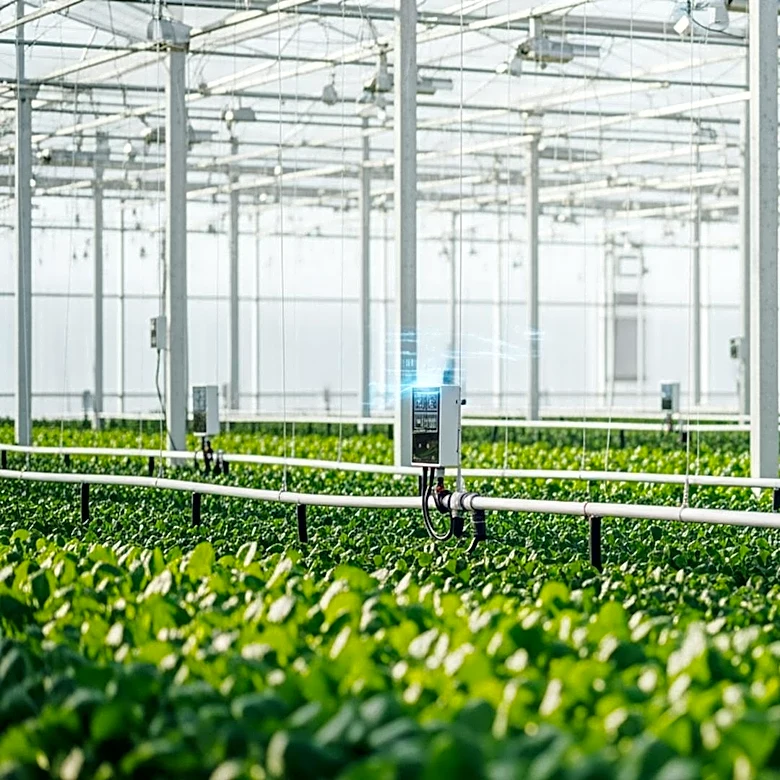
Looking ahead, the global cereal trade is expected to weaken, with a projected decline of 0.3% in 2026/27. Reduced wheat and barley shipments are anticipated to outweigh gains in maize and rice trade volumes. The FAO has highlighted the potential for continued tensions affecting major trade routes, such as the Strait of Hormuz, which could further increase input costs and pressure food production and prices worldwide. Stakeholders, including governments and agricultural organizations, may need to focus on strategies to enhance food security and resilience against climate and economic challenges. This could involve investing in agricultural technology, improving supply chain efficiencies, and promoting sustainable farming practices.
Beyond the Headlines
The FAO's forecast also sheds light on broader trends in global food markets. While cereal prices are rising, other food commodity groups are experiencing mixed trends. For instance, the FAO Vegetable Oil Price Index saw a decline, while the Sugar Price Index surged due to potential impacts of El Niño conditions. These fluctuations highlight the interconnectedness of global food markets and the influence of environmental and economic factors. The situation calls for a comprehensive approach to address food security, considering not only production and trade but also the broader economic and environmental context.