





What's Happening?
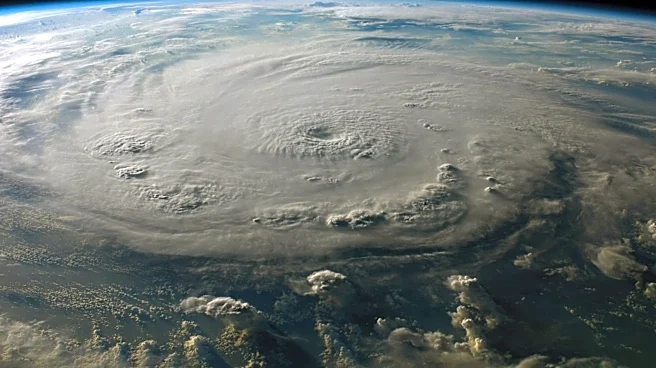
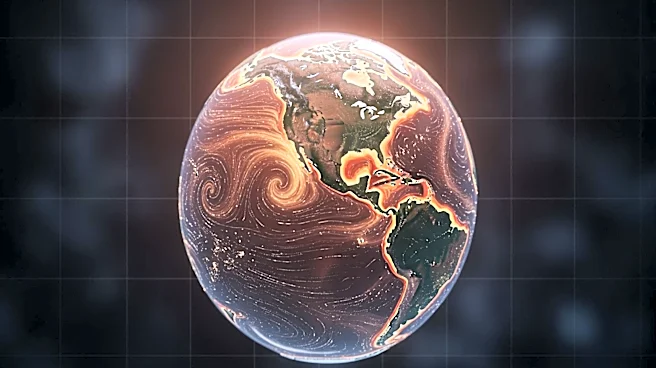
The National Oceanic and Atmospheric Administration (NOAA) forecasts a quieter-than-usual Atlantic hurricane season due to the El Nino phenomenon. El Nino, characterized by the warming of surface sea temperatures in the central and eastern tropical Pacific
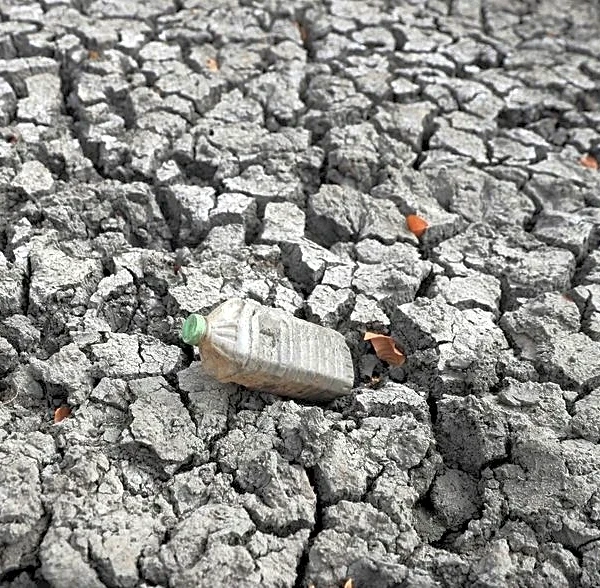
Ocean, is expected to suppress hurricane activity in the Atlantic while increasing storm activity in the Pacific. This year, there is a 55% chance of below-normal hurricane activity in the Atlantic, with a 35% chance of near-normal and a 10% chance of above-normal activity. El Nino events typically occur every two to seven years and last nine to 12 months. The phenomenon affects global wind and rainfall systems, potentially intensifying floods, droughts, and heatwaves worldwide.
Why It's Important?
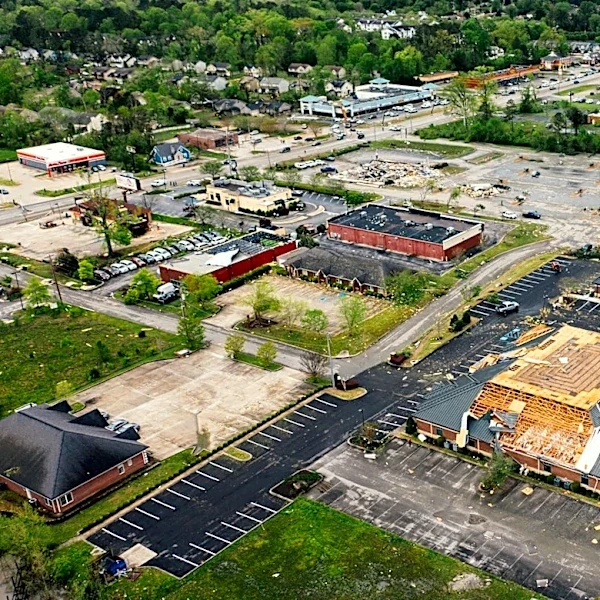
The impact of El Nino on hurricane activity is significant for regions prone to these natural disasters, particularly the Caribbean and the East and Gulf coasts of the United States. A reduction in hurricane activity could mean fewer destructive storms, potentially saving lives and reducing economic losses. Historically, hurricanes have caused significant damage and fatalities in the U.S., with over 7,200 deaths and $1.55 trillion in economic losses from 1980 to 2024. However, the increased storm activity in the Pacific could pose new challenges for areas like Hawaii and the western Pacific, requiring preparedness and adaptation strategies.
What's Next?
As the Atlantic hurricane season progresses, monitoring and preparedness will be crucial, especially given the unpredictability of storm patterns. NOAA emphasizes the importance of readiness, as even a single storm can have devastating effects. In the Pacific, increased storm activity may require enhanced forecasting and response measures to mitigate potential impacts. The ongoing monitoring of El Nino's development will be essential to adjust forecasts and preparedness plans accordingly.