







What's Happening?
The Detroit Water and Sewerage Department (DWSD) is transforming its approach to stormwater management through its Green Stormwater Infrastructure (GSI) program. This initiative utilizes nature-based solutions to alleviate pressure on the city's combined
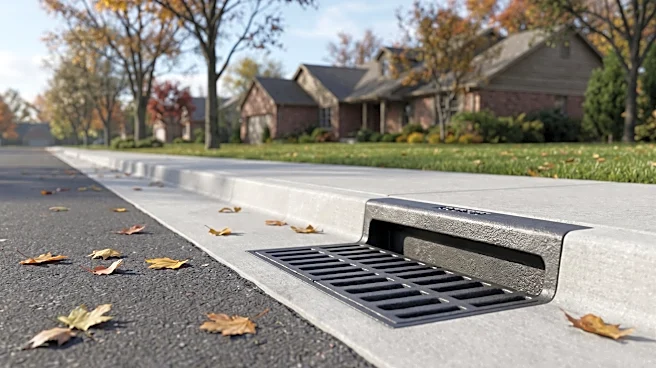
sewer system, which is crucial as Detroit and the Great Lakes region experience more intense rainfall. GSI projects, such as the Far West Detroit Stormwater Improvement Project, are designed to capture, slow, and absorb stormwater before it enters the sewer system, thereby reducing combined sewer overflows, basement backups, and street flooding. DWSD has exceeded its NPDES permit's $50 million expenditure requirement and is now focusing investments on larger neighborhood projects to achieve cost-effective results. The department is also extending its efforts beyond public projects by amending Detroit’s Post-Construction Stormwater Management Ordinance to require new developments to manage runoff and offering a Drainage Charge Credit System to incentivize private property owners to install GSI. These efforts align with the Great Lakes Water Authority’s Wastewater Master Plan.
Why It's Important?
This shift to green infrastructure in Detroit holds significant importance for urban resilience, public health, and economic sustainability. By reducing stormwater flows into the combined sewer system, the city can mitigate the need for expensive traditional infrastructure upgrades, such as new tunnels and treatment facilities, leading to long-term cost savings for residents and the city. The implementation of GSI also directly addresses environmental challenges by reducing pollution from combined sewer overflows into local waterways, improving water quality, and enhancing the ecological health of the Great Lakes region. Furthermore, these nature-based solutions contribute to neighborhood revitalization by creating greener spaces, improving aesthetics, and potentially increasing property values. The program's dual focus on public and private property engagement fosters a community-wide approach to environmental stewardship, empowering residents and developers to contribute to a more sustainable urban environment. This model could serve as a blueprint for other U.S. cities facing similar stormwater management challenges.
What's Next?
Detroit's green infrastructure initiatives are expected to continue expanding, with planned projects in areas like Brightmoor and the east side. The ongoing coordination with the City’s Demolition Program aims to further reduce impervious surfaces, which will enhance the effectiveness of GSI in managing stormwater across the city. The DWSD will likely continue to monitor the performance of its GSI projects to assess their impact on reducing overflows and flooding, as well as their contribution to neighborhood resilience and cost management. Future efforts may involve further refinement of the Drainage Charge Credit System to maximize private property owner participation and explore additional incentives for green infrastructure adoption. The success of these projects could also lead to increased collaboration with regional partners and potentially influence broader policy changes regarding stormwater management at the state or federal level, promoting a more widespread adoption of nature-based solutions in urban planning.
Beyond the Headlines
The Detroit Water and Sewerage Department's embrace of green infrastructure represents a broader paradigm shift in urban planning and environmental management, moving away from solely 'gray' infrastructure solutions towards integrated, nature-based approaches. This shift acknowledges the multifaceted benefits of green infrastructure, which extend beyond mere stormwater management to include improved air quality, reduced urban heat island effects, enhanced biodiversity, and increased recreational opportunities. Ethically, this approach promotes environmental justice by often prioritizing investments in underserved communities that have historically borne a disproportionate burden of environmental hazards and lack of green spaces. Legally, the amended Post-Construction Stormwater Management Ordinance sets a precedent for requiring sustainable practices in new developments, potentially influencing future building codes and regulations nationwide. Culturally, the integration of green spaces into urban fabric can foster a stronger connection between residents and their natural environment, promoting community engagement and a sense of ownership over local ecological health. This long-term vision positions Detroit as a leader in sustainable urban development, demonstrating how ecological solutions can address complex urban challenges holistically.