



What's Happening?
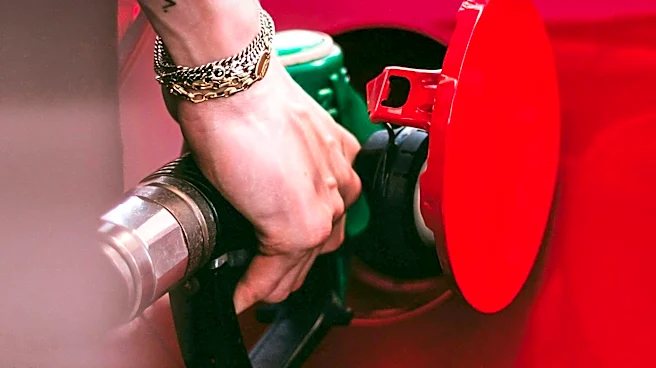
Representative Ashley Hinson is facing criticism for her recent comments regarding the Iran War, which she described as 'out of sight, out of mind' for many Americans. This statement comes as Iowans are experiencing a significant surge in gas and diesel
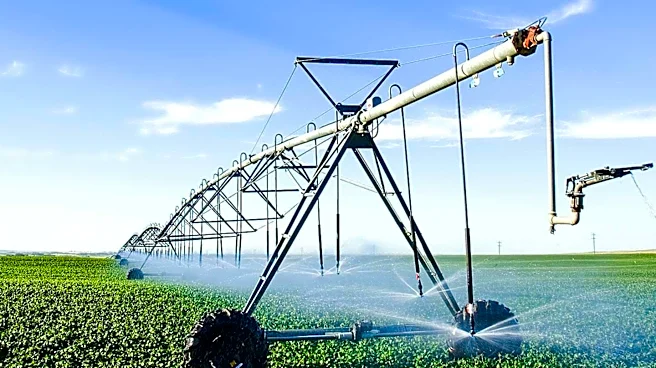
prices, with a new report indicating that the conflict has cost Iowa families an average of $1,650 in additional expenses. Diesel prices, in particular, have reached a record high of $6 per gallon, impacting Iowa farmers as they prepare for the peak harvest season, potentially paying nearly double what they did last year. According to the Iowa Democratic Party, Hinson has voted six times to continue the war in Iran, which they argue directly contributes to the increased costs at the pump for Iowans. KWWL reported that gas prices across Iowa jumped nearly 20 cents in just 24 hours due to tensions between the U.S. and Iran pushing crude oil prices higher. Politico also noted that the war's cost to the average American household was approximately $1,650 as of last week, a figure that continues to grow.
Why It's Important?
The rising fuel costs and Representative Hinson's stance on the Iran War carry significant implications for Iowa's economy and its residents. The surge in gas and diesel prices directly affects the daily budgets of families and the operational costs for businesses, particularly the agricultural sector. Iowa farmers, who are already facing higher input costs and shrinking profit margins, are now confronted with record-high diesel prices, which could severely impact their profitability during harvest season. This economic strain could lead to higher food prices for consumers and reduced competitiveness for Iowa's agricultural products. Furthermore, the criticism leveled against Hinson highlights a broader debate about the economic consequences of foreign policy decisions and their direct impact on domestic households. The perception that political actions are contributing to financial hardship for constituents can influence public trust in elected officials and shape voter sentiment, especially in an election year. The issue also underscores the interconnectedness of global events, such as international conflicts, with local economic conditions.
What's Next?
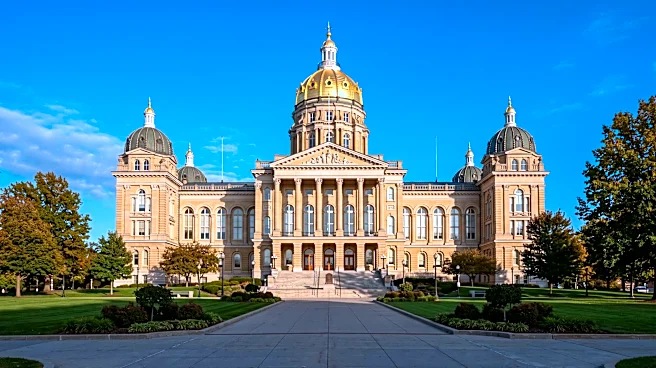
As the U.S. Senate race in Iowa intensifies, Representative Hinson's comments and voting record on the Iran War and its economic repercussions are likely to remain a central point of contention. Her opponent, state representative Josh Turek, and his supporters are expected to continue highlighting these issues, particularly the rising cost of living for Iowans. The upcoming U.S. Senate debate between Hinson and Turek, scheduled for October 7, 2026, will provide a platform for both candidates to address these concerns and present their solutions. This debate, hosted by PBS and moderated by Kay Henderson of Iowa Press, will be aired live statewide and streamed online, ensuring broad public exposure. The ongoing economic pressures, especially the fluctuating gas and diesel prices, will likely influence voter decisions as the election approaches. Stakeholders, including farmers and consumer advocacy groups, will continue to monitor fuel costs and the candidates' responses to these economic challenges.
Beyond the Headlines
The discussion surrounding Representative Hinson's remarks and the economic impact of the Iran War extends beyond immediate political and financial concerns, touching upon the broader issue of public perception regarding foreign policy and its domestic consequences. The 'out of sight, out of mind' comment, while potentially reflecting a sentiment among some Americans about distant conflicts, has been framed by critics as a disconnect from the economic realities faced by Iowans. This highlights a recurring challenge for policymakers: balancing international engagement with domestic economic stability. The situation also brings to light the ethical considerations of political rhetoric, particularly when it appears to downplay the tangible effects of global events on everyday citizens. The significant increase in Hinson's personal wealth since entering Congress, as noted by the Iowa Democratic Party, further complicates the narrative, raising questions about financial transparency and the potential for personal gain amidst public economic hardship. This could fuel public skepticism about the motivations behind political decisions and contribute to a broader distrust in the political system.