







What's Happening?
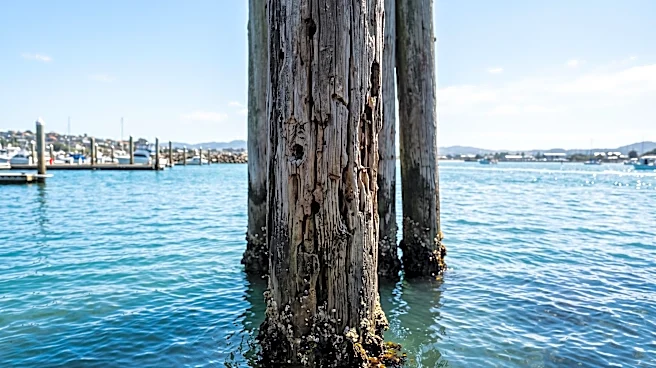
The City of Gulfport is confronting significant challenges with its aging marina infrastructure, as detailed in Mayor Love's October 2026 monthly report. The marina's older pilings are suffering damage from marine borers due to a lack of modern protective
wrapping, necessitating substantial investment for repairs and ongoing maintenance. The City Council has determined that these costs should be borne by marina users rather than general taxpayers. Discussions in September and October led to a vote to increase all marina slip fees starting in 2027, with a fee structure that continues to favor residents. Additionally, commercial businesses operating out of the marina will face a surcharge beginning in February 2027, reflecting their use of a public facility for commercial purposes. These changes have generated concerns among the approximately 20 affected businesses.
Why It's Important?
The decisions by the Gulfport City Council regarding marina funding and operations are crucial for the city's financial stability and the long-term viability of its marina. By shifting maintenance costs to marina users, the city aims to alleviate the burden on general taxpayers, ensuring that those who directly benefit from the facility contribute to its upkeep. The introduction of surcharges for commercial businesses reflects a move towards equitable cost distribution, acknowledging their profit-generating use of public infrastructure. While these changes are necessary for infrastructure preservation, they could impact local businesses and residents who rely on the marina, potentially leading to increased operational costs for commercial entities and higher expenses for boat owners. The transparency of council meetings, with recorded discussions, is vital for addressing community concerns and ensuring public understanding of these policy shifts.
What's Next?
A workshop is scheduled for February 4 at 6 p.m. to further discuss these important decisions regarding the marina. While no votes will be cast at this workshop, its purpose is to provide the City Manager with clear direction from the Council on how to proceed. The city is also developing improvements for spring 2027, including a new rental agreement, public-facing software to show available slips, a review of best practices, enhanced customer service, consistent rule enforcement, a new camera system, relocation of commercial loading/unloading areas, and changes to operating hours. Potential funding sources for stormwater improvements, which have taken two years to reach this point since the hurricanes, include grants, appropriations, Penny for Pinellas funds, low-interest loans, special assessments, and stormwater fees, with a combination of these sources likely to be used.
Beyond the Headlines
The ongoing discussions and decisions surrounding Gulfport's marina highlight a broader challenge faced by many coastal communities: maintaining aging infrastructure in the face of environmental factors and financial constraints. The issue of marine borers damaging pilings underscores the constant battle against natural degradation and the need for continuous investment in resilient infrastructure. The Council's decision to place the financial burden on marina users rather than general taxpayers reflects a growing trend in municipal finance to identify direct beneficiaries for specific public services. This approach, while fiscally prudent, can spark debates about accessibility, affordability, and the role of public assets in supporting local economies and recreational activities. The transparency of recorded council meetings is crucial for fostering public trust and ensuring accountability in these complex decision-making processes.