
What's Happening?
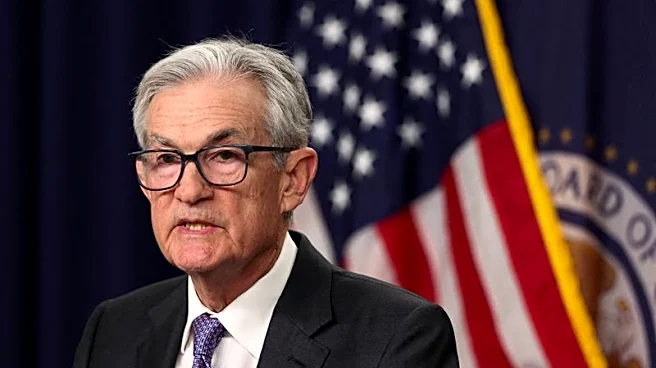
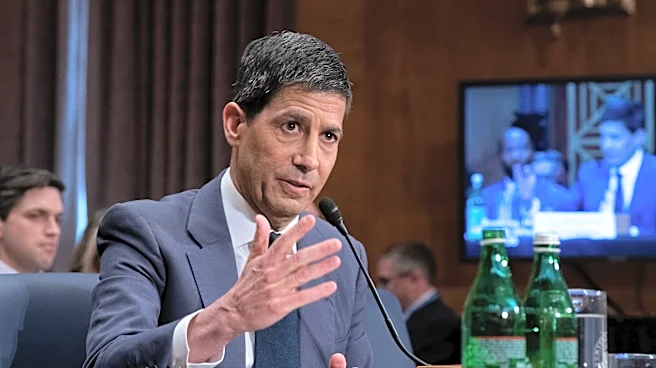
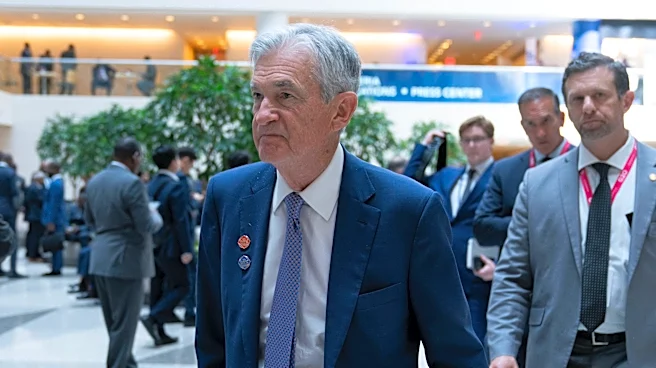
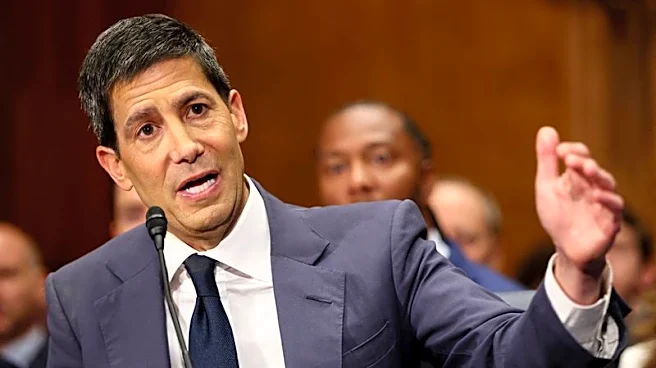
A Senate committee has scheduled a vote to advance Kevin Warsh's nomination to lead the Federal Reserve, following the closure of a criminal investigation into current Fed Chair Jerome Powell. U.S. Attorney
Jeanine Pirro announced the end of the probe, which had been a significant barrier to Warsh's confirmation. The investigation focused on Powell's testimony regarding the Fed's $2.5 billion headquarters renovation. The Senate Banking Committee, led by Republicans, plans to vote on April 29. The committee holds a narrow 13-11 majority, meaning a single Republican defection could affect the outcome. Democrats, led by Sen. Elizabeth Warren, remain critical, citing concerns over Fed independence and President Trump's influence on the nomination process.
Why It's Important?
The advancement of Kevin Warsh's nomination is significant as it could lead to a shift in Federal Reserve policies, particularly regarding interest rates. President Trump has been vocal about his desire for lower rates, which Warsh may be pressured to implement. However, Warsh's confirmation could face challenges due to concerns about his independence from the White House. The outcome of this nomination could impact financial markets and the broader U.S. economy, as the Fed's policies influence borrowing costs for consumers and businesses. The situation also highlights ongoing tensions between the executive branch and the Federal Reserve, raising questions about the central bank's autonomy.
What's Next?
The Senate Banking Committee's vote on April 29 will be a critical step in Warsh's confirmation process. If confirmed, Warsh will need to navigate pressures from the White House while maintaining the Fed's independence. The committee's decision could also influence market expectations regarding future interest rate policies. Additionally, the closure of the investigation into Powell may not be the end, as the Fed's inspector general could reopen the case if new evidence emerges. This ongoing uncertainty could affect the stability of the central bank and its leadership transition.