


What's Happening?
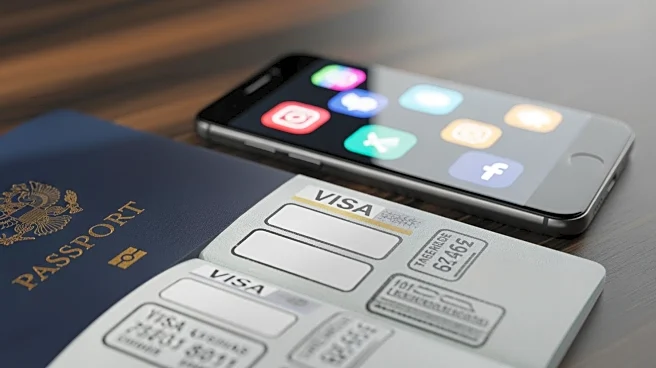
The U.S. State Department has announced it will deny visas to five individuals, including Thierry Breton, a former EU commissioner, due to their involvement in enforcing the EU's Digital Services Act (DSA). The DSA mandates content moderation on social
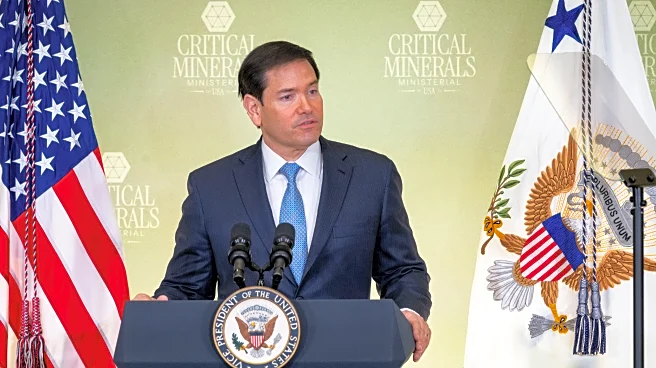
media platforms, which the U.S. perceives as an attempt to suppress American viewpoints. Secretary of State Marco Rubio described these individuals as part of a 'global censorship-industrial complex' targeting American speech. The decision has sparked criticism from those affected, who view it as an authoritarian move against free speech. The visa denial is part of a broader U.S. stance against what it sees as extraterritorial overreach by foreign entities.
Why It's Important?
This development underscores ongoing tensions between the U.S. and the EU over digital regulation and free speech. The U.S. government's decision to deny visas highlights its commitment to protecting American companies and speakers from foreign censorship. This move could strain diplomatic relations with the EU and impact international cooperation on digital policy. It also reflects broader debates about the balance between regulating harmful content and preserving free speech, a contentious issue in both U.S. and global politics.