





What's Happening?
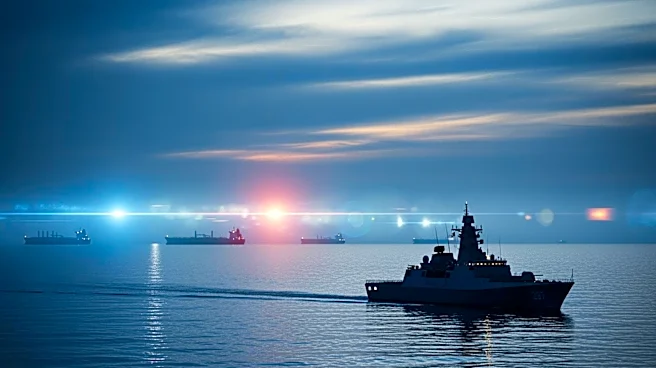
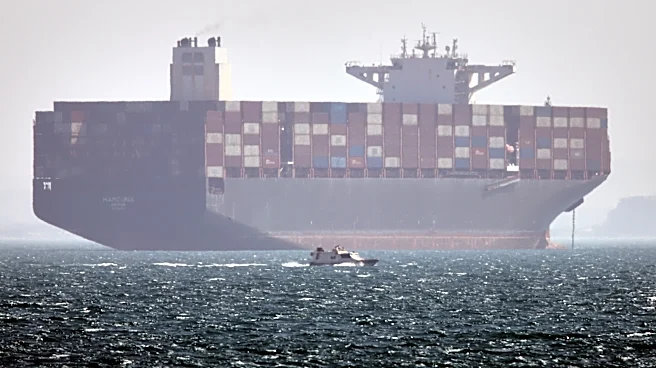
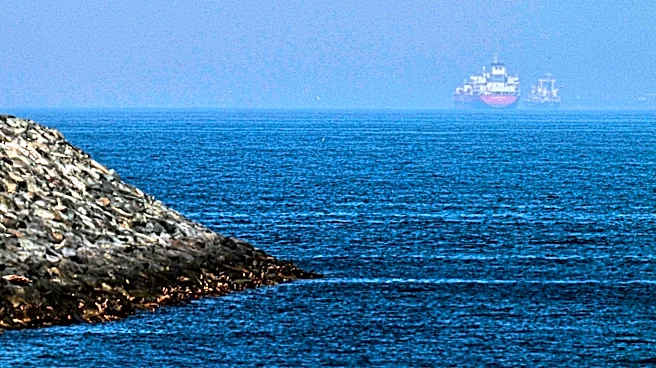
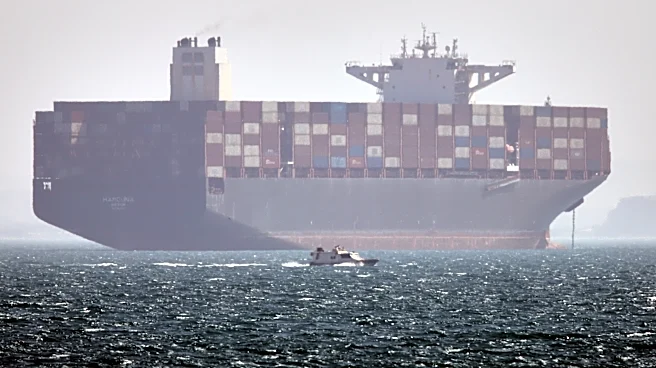
The U.S. has launched 'Project Freedom,' an initiative to reopen the Strait of Hormuz for commercial traffic, amidst skepticism from defense and geopolitical experts. The operation, led by U.S. Central Command, aims to protect ships from Iranian attacks
and ensure the free flow of commerce. Despite initial reports of successful transits, experts argue that the operation does not address the underlying risks that deter shipping companies from using the strait. The operation is described as a temporary and focused mission, but its long-term effectiveness in resolving the chokepoint issue remains in question.
Why It's Important?
The Strait of Hormuz is a vital artery for global oil supply, and its closure has significant implications for international energy markets. The U.S. operation seeks to mitigate these impacts and assert control over the strategic waterway. However, the skepticism surrounding 'Project Freedom' highlights the complexities of maritime security in the region. The operation's success or failure could influence global oil prices and affect diplomatic relations with Iran. A prolonged conflict could exacerbate tensions and hinder efforts to reach a diplomatic resolution, impacting global economic stability.
What's Next?
The U.S. will need to navigate the delicate balance between military action and diplomatic engagement to ensure the operation's success. The potential for increased aggression from Iran poses a risk to the operation's objectives. The international community will be watching closely, as the outcome could set a precedent for future maritime security efforts in the region. The U.S. must also consider the operation's impact on its relations with allies and the broader geopolitical landscape.