




What's Happening?
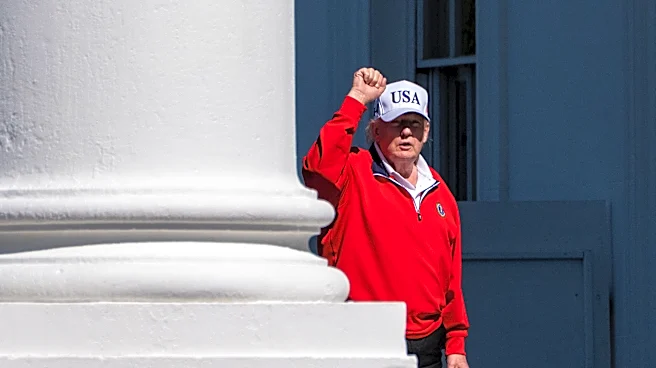
President Trump engaged in a tense phone call with Israeli Prime Minister Benjamin Netanyahu, urging him to de-escalate military actions in Lebanon. The conversation, marked by Trump's frustration, was aimed at preserving ongoing negotiations with Iran.
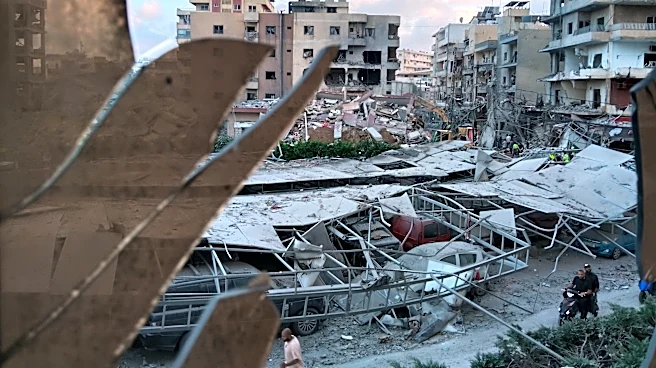
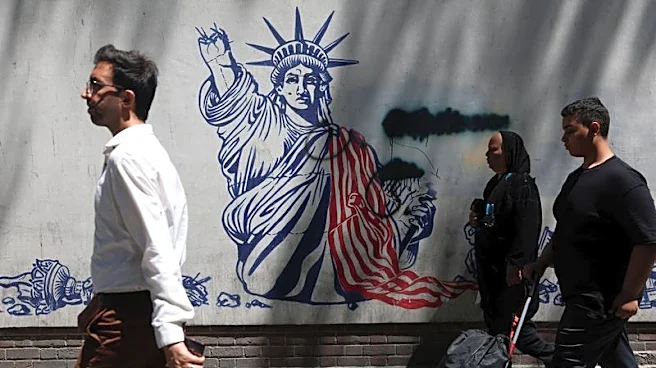
Despite Trump's efforts, Netanyahu maintained that Israeli military operations in southern Lebanon would continue. The conflict in Lebanon, involving Hezbollah, poses a threat to the broader U.S.-Iran talks, as Iran has indicated potential activation of other strategic fronts in response to Israeli actions.
Why It's Important?
The situation highlights the complex interplay between regional conflicts and international diplomacy. The U.S. is attempting to broker a ceasefire in Lebanon to facilitate a broader agreement with Iran, which could stabilize the region and reopen the Strait of Hormuz. However, continued Israeli military actions complicate these efforts and risk further escalation. The outcome of these negotiations could significantly impact global oil markets and regional security dynamics, affecting U.S. foreign policy and its relationships with Middle Eastern allies.
What's Next?
Negotiations between the U.S. and Iran are reportedly back on track, with a potential deal to reopen the Strait of Hormuz and extend the ceasefire in Lebanon. However, the success of these talks depends on Israel's willingness to cooperate and halt military operations. The international community will likely continue to monitor the situation closely, as any agreement could have far-reaching implications for regional stability and global economic conditions.