



What's Happening?
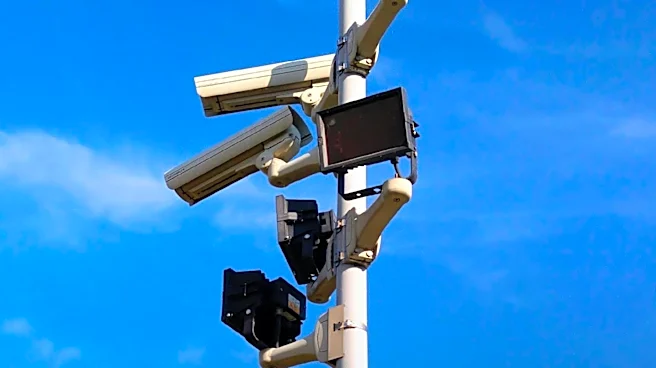
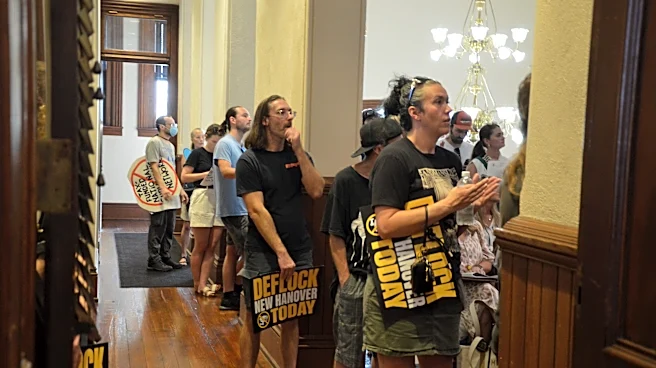
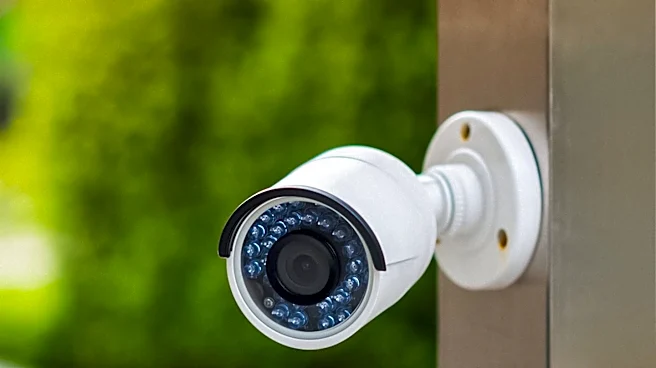
A group of Seattle residents, including members of Seattle Indivisible and the Communities Not Cameras Coalition, rallied at Seattle City Hall to protest the city's use of real-time closed-circuit television (CCTV) cameras and automated license plate
readers (ALPR). The protest followed a tour of the Seattle Police Department’s Real Time Crime Center, after which critics expressed increased concerns about the transparency and privacy implications of the surveillance system. Speaker Cliff Cawthon described the system as 'Swiss cheese,' riddled with holes despite promises of transparency and safety. The groups are advocating for the nullification of existing contracts and the removal of all cameras to safeguard the privacy of Seattle residents. This comes after Seattle Mayor Katie Wilson temporarily turned off CCTV cameras in the Stadium District following the FIFA World Cup matches, fulfilling a commitment to limit their use to the event's duration.
Why It's Important?
The debate over surveillance cameras in Seattle highlights a growing national tension between public safety initiatives and individual privacy rights. Critics' concerns about the potential for collected data to be used by federal agencies like U.S. Immigration and Customs Enforcement (ICE) and U.S. Customs and Border Protection (CBP) for tracking individuals accessing legal healthcare services or targeting immigrant communities raise significant civil liberties issues. This situation reflects a broader national discussion on data privacy, government oversight, and the ethical implications of advanced surveillance technologies. The call from Seattle business leaders to reinstate cameras in high-traffic areas underscores the perceived need for such tools in combating crime, creating a complex challenge for policymakers to balance security needs with privacy protections. The outcome in Seattle could influence how other U.S. cities approach the deployment and regulation of surveillance technology.
What's Next?
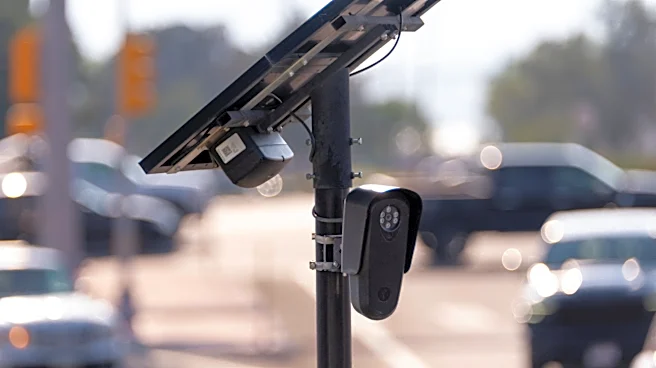
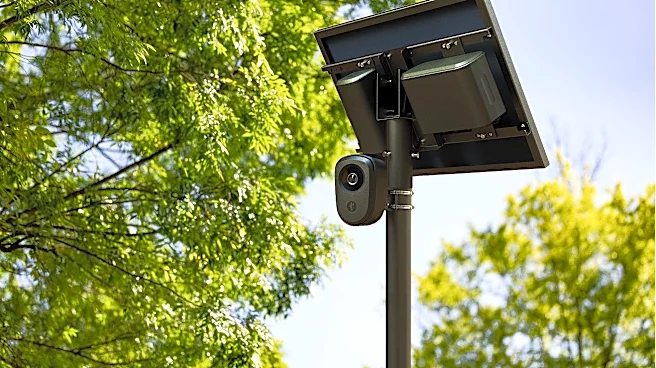
The Communities Not Cameras Coalition and Seattle Indivisible are pushing for the nullification of existing surveillance camera contracts and the permanent removal of the devices. Another rally is scheduled outside Renton City Hall, focusing on Flock Safety’s ALPR cameras, which Renton has temporarily paused and covered while city leaders decide on contract renewal. Seattle Mayor Katie Wilson has indicated a commitment to finding a balance between city safety and privacy, suggesting ongoing community engagement will be crucial. Police agencies, including the Seattle Police Officers Guild, continue to defend surveillance cameras as essential tools for law enforcement, arguing they are critical for tracking suspects and holding individuals accountable. The ongoing city review of privacy policies related to these cameras will likely be a key factor in future decisions, with potential for further public discourse and policy changes regarding surveillance technology in Seattle and beyond.
Beyond the Headlines
The controversy surrounding surveillance cameras in Seattle delves into profound ethical and societal questions about the nature of public space and individual autonomy in an increasingly monitored world. The 'Swiss cheese system' critique points to a fundamental distrust in the ability of current safeguards to prevent misuse of powerful surveillance tools. Beyond the immediate privacy concerns, the potential for data to be shared with federal agencies for purposes such as tracking individuals accessing legal abortion care or targeting immigrant neighbors raises questions about the erosion of local control and the weaponization of technology against vulnerable populations. This situation could set precedents for how cities nationwide navigate the complex interplay between technological advancement, public safety, and the protection of civil liberties, potentially leading to new legislative frameworks or legal challenges regarding data governance and surveillance ethics.